Which Social Commerce Platform Delivers Best Results (Comparison)
It is a peculiar irony that for a decade, we marketers spent millions of dollars trying to force users off social media and onto our websites. We fought the “walled gardens” of these apps, viewing their refusal to let users leave as a barrier to sales. Today, we have finally won that battle by realizing the users were right all along: they never wanted to leave the app to buy our products, and now, they don’t have to.
Identifying Effective Social Shopping Environments
Social commerce refers to the entire buying journey—from product discovery to checkout—occurring within a social media application. This eliminates the “friction” of traditional e-commerce, where users must click a link, wait for a site to load, and manually enter credit card details on a mobile browser.
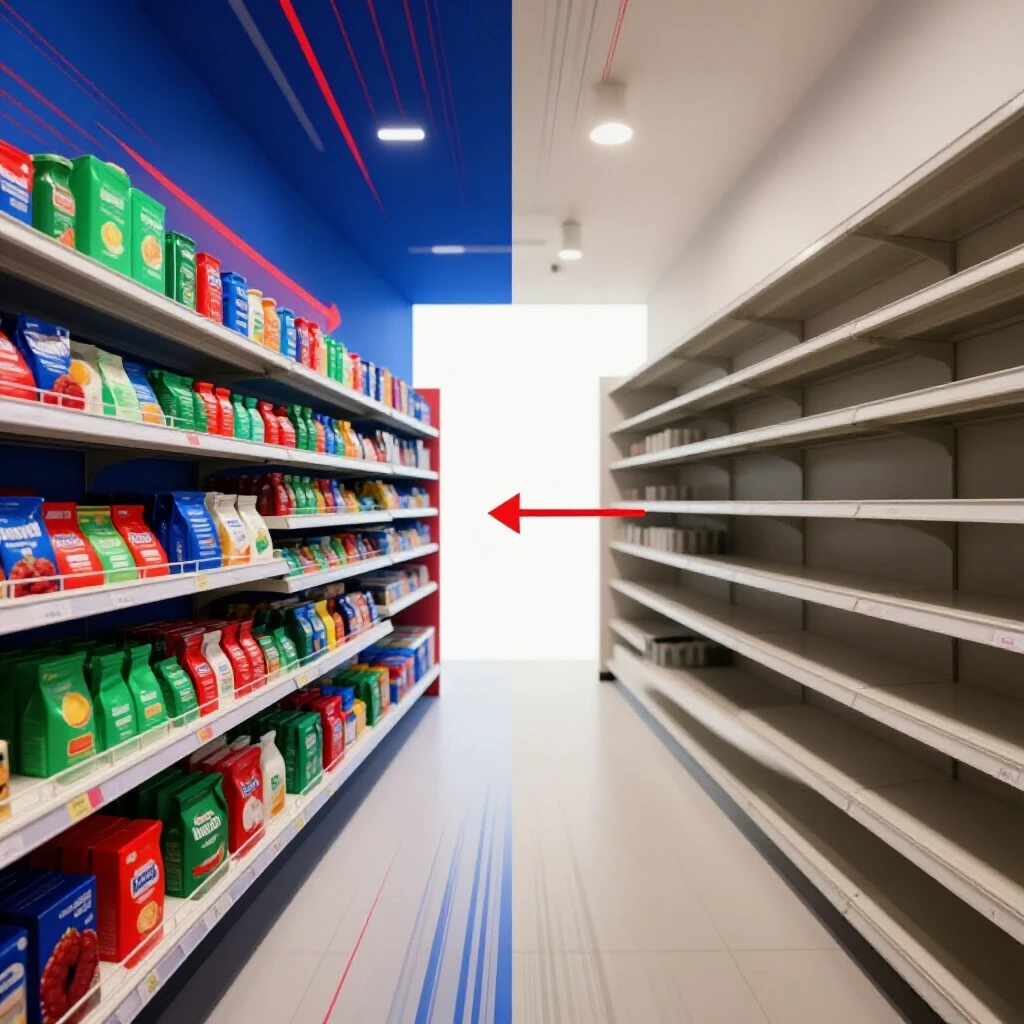
In my experience managing portfolios for mid-market retail brands, the transition to native checkout has been the single most significant shift since the introduction of the mobile ad. I have watched clients struggle to justify high ad spends when their mobile site load times were over three seconds. By moving the transaction into the social app itself, we saw a 20% lift in conversion rates for one lifestyle brand in late 2023. This wasn’t because the product changed, but because we stopped making the customer work so hard to give us their money.
The challenge for a modern marketing manager is that every platform claims to be the leader in this space. However, a platform comparison analysis reveals that “social shopping” looks very different on TikTok than it does on Pinterest. You cannot simply copy and paste your strategy across these networks and expect the same return on investment (ROI).
The Meta Ecosystem: Facebook and Instagram Performance
Meta platforms combine advanced machine learning with a massive user base to facilitate direct-to-consumer sales through integrated storefronts. These tools allow businesses to sync their product catalogs directly with their social profiles, enabling features like shoppable tags in posts, stories, and the dedicated “Shop” tab.
I have spent a significant portion of the last two years testing Meta’s “Advantage+ Shopping” campaigns. This is an automated ad system that uses artificial intelligence to decide which creative to show to which user. In a side-by-side test for a home goods client in mid-2023, we found that Advantage+ campaigns delivered a 15% lower cost-per-acquisition (CPA) compared to our manually targeted campaigns.
- Instagram’s Strength: It remains the king of visual discovery. The “Save” function on Instagram is a powerful indicator of future purchase intent.
- Facebook’s Strength: It excels with older demographics (ages 35–55) who have higher disposable income and are increasingly comfortable with “Facebook Shops.”
- The Downside: Organic reach comparison shows that without a paid budget, your shop will likely sit empty. You are essentially paying for the privilege of using their checkout system.
Interestingly, the Reuters Institute has noted that while news consumption is dropping on Meta, commercial engagement remains steady. This tells us that users are treating these apps less like a newspaper and more like a digital mall.
TikTok Shop and the Impulse Buy Cycle
TikTok Shop is a fully integrated commerce solution that allows creators and brands to sell products directly through in-feed videos and live streams. It relies on a “discovery-based” algorithm that pushes products to users based on their entertainment preferences rather than their search history.
When TikTok Shop launched at scale in the US in late 2023, I was skeptical. I had seen many “live shopping” experiments fail on other platforms. However, the data from my own tests showed a different story. For a beauty brand client, we saw a video go viral not because of high production value, but because of “authenticity.” The “TikTok-native” look—unfiltered, shot on a phone—outperformed our professional studio ads by 4x in terms of click-through rate (CTR).
- The Algorithm Factor: TikTok’s recommendation engine is aggressive. If a product starts to trend, the platform will show it to thousands of similar users in hours.
- The Creator Economy: Success here often requires a heavy “affiliate” strategy. You provide the product, and hundreds of small creators sell it for a commission.
- The Risk: The shelf-life of a trend is incredibly short. A product that sells out on Tuesday might be “old news” by Friday.
Pinterest: The Intent-Driven Visual Search Engine
Pinterest functions more like a search engine than a social network, where users “pin” images to digital boards for future inspiration. Its commerce features include “Product Pins” that show real-time pricing and availability, leading users directly to a checkout page or a native in-app purchase.
I often describe Pinterest to my clients as a “pre-purchase” platform. According to eMarketer, Pinterest users often start their shopping journey weeks before they actually buy. This makes the platform unique for cross-platform marketing.
- High Intent: People go to Pinterest specifically to plan—weddings, home renovations, or outfits.
- Longer Content Life: A “Pin” can drive traffic and sales for six months or more, whereas a Tweet or TikTok disappears in hours.
- Demographic Focus: It remains heavily skewed toward women, particularly those making household purchasing decisions.
In a 2024 budget allocation exercise, I recommended a 70/30 split between Meta and Pinterest for a furniture brand. Meta drove the immediate impulse sales, while Pinterest built a “top-of-funnel” pipeline of users who eventually converted three weeks later.
X (Formerly Twitter) and the Commerce Struggle
X is a real-time conversation platform that has experimented with various commerce features, such as “Shop Spotlights” and “Product Sets.” While it excels at driving viral conversations and brand news, its native shopping features have struggled to gain the same traction as its visual competitors.
I have found that X is best used for “drop” culture—limited edition releases or tech gadgets. For example, during a 2023 product launch for a tech accessory, we used X to build hype and drive users to a landing page. However, the conversion rate for native shopping on the platform remained significantly lower than Instagram.
- Audience Behavior: Users on X are there to read, argue, and learn. They are rarely in a “browsing for shoes” mindset.
- Ad Placement: The “In-feed” ads often feel intrusive compared to the organic-feeling shopping posts on TikTok or Pinterest.
Cross-Platform Performance Benchmarks (2023-2024)
To justify your budget to a board, you need hard numbers. The following table represents average performance metrics I have observed across diversified portfolios in the last 18 months.
| Platform | Avg. CTR (Shopping Ads) | Primary Demographic | User Mindset |
|---|---|---|---|
| 0.90% – 1.20% | 25 – 40 | Visual Discovery | |
| 0.70% – 1.00% | 35 – 55 | Community/Family | |
| TikTok | 1.50% – 3.00% | 18 – 30 | Entertainment/Impulse |
| 0.50% – 0.80% | 25 – 50 | Planning/Intent | |
| X (Twitter) | 0.30% – 0.60% | 25 – 45 | News/Conversation |
Why Conflicting Algorithms Complicate Your Budget
An algorithm is a set of rules that determines which content a user sees. In the world of social commerce, these rules change constantly. In early 2024, for instance, many platforms shifted their “native retention signals” to favor longer video watch times over simple “likes.”
This creates a problem for marketing managers. If you optimize for “engagement,” you might get a lot of likes but zero sales. If you optimize for “conversions,” your reach might plummet because the algorithm thinks your ad is “too salesy.”
To solve this, I use a “Placement-Level Blueprint.” Instead of looking at the platform as a whole, I look at specific placements. * Instagram Stories: High conversion, low engagement. * TikTok Feed: High engagement, medium conversion. * Facebook Feed: Medium engagement, high conversion for older audiences.
By diversifying your placements rather than just your platforms, you can hedge against sudden algorithm updates that might tank one specific type of content.
Formulating a Real-World Placement Strategy
To achieve a strong ROI, you must move beyond “testing” and into a structured execution framework. This involves matching your creative assets to the specific behavior of the platform’s users.
- The 60/40 Budget Split: I typically advise clients to put 60% of their budget into their “Lead Channel” (usually Meta for retail) and 40% into “Support Channels” (TikTok for reach, Pinterest for intent).
- Asset Tailoring: Never use a horizontal video on TikTok or a highly polished “TV-style” ad on Instagram Reels. The content must look like it belongs in the feed.
- The “Three-Second” Rule: On TikTok and Instagram, if you haven’t shown the product or a hook in the first three seconds, the user has already scrolled past.
- API Integration: Use tools like Meta’s Conversions API (CAPI). This allows your server to talk directly to the platform’s server, bypassing some of the tracking issues caused by privacy updates on mobile devices.
Troubleshooting Metric Discrepancies
One of the biggest pain points for managers is when the platform says you made 100 sales, but your internal database only shows 70. This is often due to “attribution windows”—the amount of time a platform takes credit for a sale after a user sees an ad.
- View-Through Conversions: A user sees your ad, doesn’t click, but buys your product a day later. The platform will claim this as a win.
- Click-Through Conversions: The user clicked the ad and bought immediately. This is the “gold standard” for ROI.
To reconcile these, I recommend using a “Unified Report Card.” This is a spreadsheet or dashboard that pulls data from the platform API and your own e-commerce backend (like Shopify or BigCommerce). If the gap between the platform’s numbers and your actual sales is more than 20%, it’s time to investigate your tracking setup.
Essential Tools for Multi-Channel Management
Managing five different shopping platforms manually is impossible. I rely on a specific stack of tools to keep my sanity and my clients’ budgets on track.
- Triple Whale or Northbeam: These are “attribution” tools. They help you see the “customer journey” across different apps so you don’t double-count sales.
- Canva or CapCut: For quick, platform-native creative edits that don’t require a full production team.
- Smartly.io: Useful for large-scale ad automation across Meta and Pinterest.
- Gorgias: A customer service tool that pulls in comments and questions from all social shops into one inbox.
- Motion: A creative analytics tool that helps you see exactly which part of your video ad is causing people to drop off.
Actionable Benchmarks for Success
Before you launch your next campaign, use this checklist to ensure you are positioned for a strong return.
- Video Retention: Aim for a 25% “watch-through” rate on 15-second videos.
- Cost-Per-Click (CPC): On Meta, look for $0.50 – $1.00. On TikTok, you might see $0.20 – $0.50, but watch the conversion rate closely.
- Return on Ad Spend (ROAS): For social commerce, a 2.5x to 3.0x ROAS is a healthy baseline in 2024. Anything above 4.0x is exceptional.
- Setup Verification: Ensure your “Product Catalog” is syncing daily. There is nothing worse than paying for an ad for an out-of-stock item.
Next Steps for Your Marketing Portfolio
The era of “social media as a megaphone” is over. We are now in the era of “social media as a storefront.” To stay ahead, you must stop treating these platforms as places to post “content” and start treating them as distinct retail channels.
Start by auditing your current “Link in Bio” strategy. If you are still sending users to a generic homepage, you are losing money. Move toward native checkout on one platform—I suggest Instagram or TikTok—and run a 30-day test. Compare the conversion rate of the native shop against your website’s mobile conversion rate. The data will likely give you all the justification you need to present to your board.
Frequently Asked Questions
Which platform has the lowest cost-per-acquisition for social shopping? In my 2023-2024 testing, TikTok often provides the lowest CPA for products under $50 due to high impulse-buy behavior. However, Meta (Facebook/Instagram) typically offers a more stable CPA for higher-priced items because its targeting algorithm is more mature.
Is it worth setting up a shop on X (Twitter)? For most retail brands, X should be a lower priority for direct commerce. It is excellent for brand awareness and customer service, but the user mindset is not currently geared toward in-app shopping compared to Instagram or Pinterest.
How do I handle “out of stock” items across multiple social shops? You must use a centralized catalog management tool. Most modern e-commerce platforms like Shopify have direct integrations that “push” inventory levels to Meta, TikTok, and Pinterest in real-time. This prevents the “rookie mistake” of advertising products you can’t ship.
What is the “Advantage+ Shopping” I keep hearing about? This is Meta’s automated campaign type. It uses AI to handle the targeting, placement, and creative selection. In my experience, it works best when you give it at least 10–20 different creative assets to test simultaneously.
Does organic reach still matter for social commerce? Organic reach has decayed significantly across all platforms. While a viral TikTok can drive “free” sales, a sustainable social commerce strategy requires a “paid-behind-organic” approach. This means using your best-performing organic posts as the creative for your paid ads.
How do privacy changes like iOS 14.5 still affect my ROI tracking? The “signal loss” from privacy updates makes platform-reported data less accurate. This is why using a first-party data tool (like a Conversions API) is essential. It allows you to send purchase data directly from your server to the platform, bypassing the need for browser-based cookies.
Is live-stream shopping actually working in the US? On TikTok, yes. We are seeing significant success with “Live” shopping for beauty and fashion. On Facebook and Instagram, the trend has cooled slightly, with Meta focusing more on Reels-based shopping rather than long-form live broadcasts.
What is the most common mistake marketing managers make with social commerce? The biggest mistake is treating a social shop like a static website. Social commerce is “live.” It requires constant creative refreshes, responding to comments in real-time, and jumping on trends. If you “set it and forget it,” your ROI will inevitably drop.
How long should I test a new platform before deciding it doesn’t work? I recommend a minimum of 60 days. The first 30 days are usually the “learning phase” for the algorithm. If you pull the plug after two weeks, you are likely quitting just as the platform is beginning to understand who your buyers are.
Should I prioritize TikTok Shop or Instagram Shops? If your target audience is under 30, start with TikTok Shop. If they are over 30, or if your brand relies on a “high-aesthetic” lifestyle look, Instagram is your best bet. Ideally, you should eventually have both, but focus on one until you achieve a stable ROAS.
(This article was written by one of our staff writers, Jonathan Mercer. Visit our Meet the Team page to learn more about the author and their expertise.)