Why Ecommerce on LinkedIn Fails: Key Insights & Solutions (Guide)
Every dollar you place into a social channel is a bet on a specific human behavior. Over the last decade, I have managed millions in ad spend across Instagram, TikTok, and LinkedIn. I have seen firsthand that a platform’s success isn’t just about its user count. It is about the “mindset” of the person scrolling. When we treat every platform as a generic bucket for traffic, we risk wasting significant portions of our marketing budget.
I once worked with a high-end luggage brand that was desperate to reach “traveling executives.” On paper, the professional networking giant seemed like the perfect fit. We launched a series of beautiful, direct-response ads. The result? Our cost-per-acquisition was ten times higher than on Meta. It wasn’t that the audience wasn’t there; it was that they weren’t in a “buying mood.” They were there to hire, get hired, or network. This mismatch between platform intent and retail objectives is a common trap for modern marketing managers.
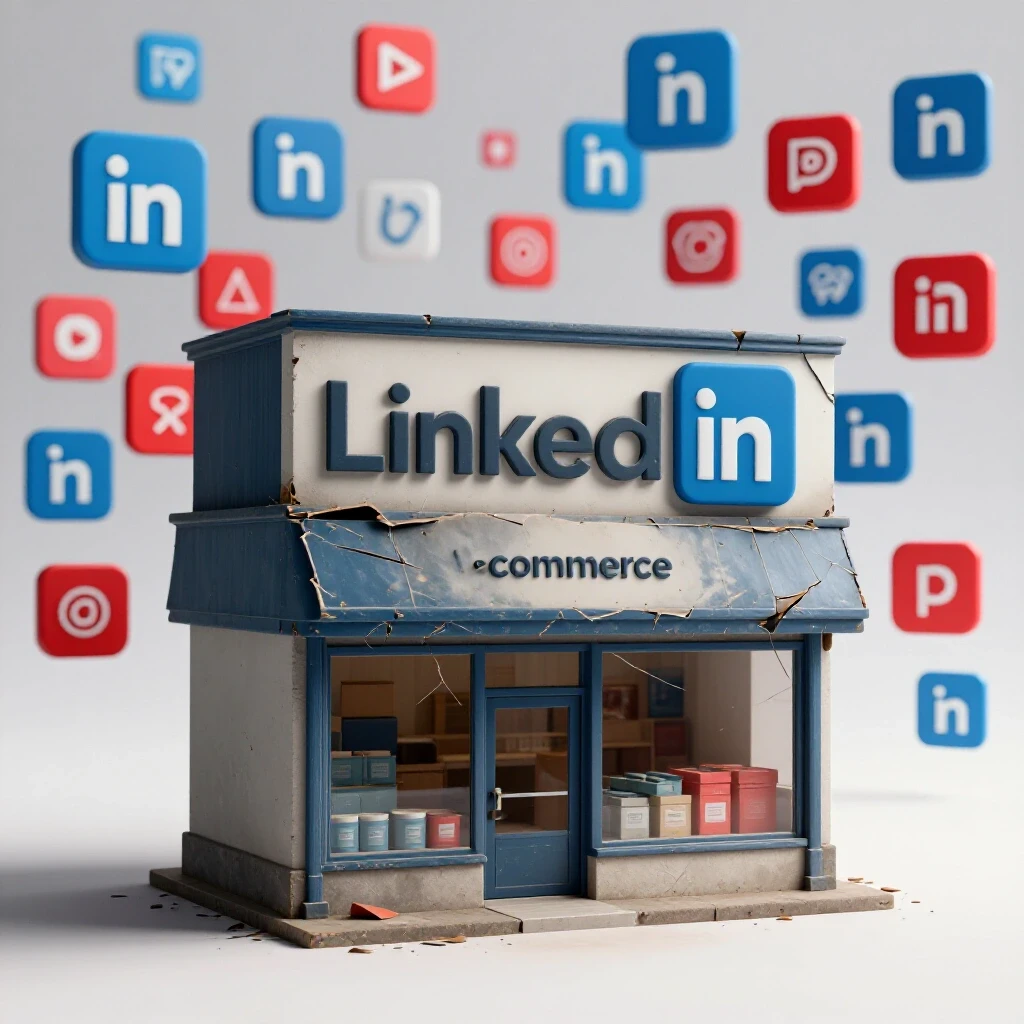
Evaluating Channel Suitability for Direct Sales
This process involves analyzing whether a platform’s core user behavior aligns with the immediate transactional nature of retail. It requires looking beyond total reach to understand if users are psychologically prepared to make a purchase. Marketing managers must assess if the platform environment supports a seamless path from discovery to checkout.
When we perform a platform comparison analysis, we have to look at the “state of mind.” On Instagram, users are in a discovery and aesthetic mode. On TikTok, they are looking for entertainment. On professional networks, however, users are in a “productivity” mode. I have found that trying to interrupt a professional research session with a consumer product ad often leads to high bounce rates.
In my experience, the friction of moving a user from a professional feed to a retail cart is often too high. Most professional-grade platforms lack native storefronts that keep the user within the app. This means every click sends the user away from their “work” environment, which creates a psychological barrier.
Understanding the Professional Intent Gap
The intent gap refers to the disconnect between a user’s goal on a platform and the advertiser’s goal. On professional networks, users typically seek career advancement, industry news, or networking opportunities. When ads focus on direct consumer sales rather than professional value, the conversion rates usually suffer significantly compared to social-first channels.
I have tracked longitudinal data across several B2C campaigns. Interestingly, the click-through rates (CTR) on professional platforms can sometimes be decent, but the “intent to buy” is rarely there. Users might click out of curiosity, but they aren’t carrying their credit cards in their mental “work” pocket.
- Social Discovery: Users expect to see products and lifestyle content.
- Professional Discovery: Users expect to see whitepapers, job listings, and thought leadership.
- The Conflict: Direct-to-consumer (DTC) ads in a B2B space often feel like a “commercial break” that users want to skip.
Building on this, I’ve noticed that platform-native ad placements that work for lead generation rarely translate to retail success. A “Lead Gen Form” is a native tool on LinkedIn that works wonders for a SaaS demo. However, there is no equivalent “Native Cart” that makes buying a pair of shoes feel natural in that same feed.
Cost-Per-Click and ROI Benchmarks
These benchmarks represent the average financial investment required to generate a single click or a specific return on ad spend (ROAS). By comparing these metrics across different networks, managers can identify which channels provide the most efficient use of their budget. These figures often dictate the long-term viability of a social channel.
In my side-by-side testing, the cost of reaching a professional audience is significantly higher than reaching a general consumer. If you are paying $6.00 per click on a professional network versus $0.80 on Instagram, your conversion rate must be nearly eight times higher to justify the spend. For retail products, this is almost never the case.
| Platform | Avg. CPC (Retail) | Primary User Intent | Direct Sales Suitability |
|---|---|---|---|
| $0.70 – $1.20 | Discovery / Lifestyle | High | |
| TikTok | $0.50 – $1.00 | Entertainment | High |
| $5.00 – $9.00 | Professional Growth | Low | |
| $0.90 – $1.50 | Social Connection | High | |
| X (Twitter) | $0.40 – $0.80 | News / Real-time | Medium |
As you can see from this platform comparison analysis, the math for retail simply doesn’t add up on professional networks. I have had to present these exact tables to executive boards to explain why we were “retiring” certain high-cost accounts. It isn’t a failure of the creative; it is a failure of the unit economics.
Algorithmic Friction in Professional Environments
This concept describes how a platform’s recommendation engine prioritizes certain types of content over others. Professional algorithms are designed to promote “meaningful conversations” and industry relevance rather than viral product videos. This creates a natural barrier for retail brands trying to achieve organic reach or low-cost paid visibility.
The algorithm on a professional network like LinkedIn is built for “dwell time” on text and long-form insights. It rewards comments and professional engagement. In contrast, TikTok’s algorithm is a “retention engine” focused on visual stimulation. When you try to force a “Buy Now” message into an algorithm looking for “Professional Insight,” your organic reach comparison will show a steep decline.
- Organic Reach Decay: Retail content often sees a 70% lower reach on professional sites compared to B2B content.
- Engagement Signals: The algorithm looks for “reposts” and “professional comments,” which retail ads rarely generate.
- Content Shelf-life: A professional post might live for a week, but a retail ad needs immediate, high-volume pulses to survive.
I remember a project where we tried to use “influencer marketing” on a professional platform for a luxury watch brand. We used industry leaders to talk about the “craftsmanship.” While the engagement was high, the actual sales were negligible. The algorithm showed the post to other industry leaders who liked the “status” of the post but had no intention of clicking a “Shop” link.
Strategy for Multi-Channel Budget Distribution
A budget distribution strategy is a framework for allocating marketing funds across various platforms to maximize total return. It involves identifying “lead” channels for direct conversions and “support” channels for brand awareness. A balanced approach prevents over-investment in low-performing networks while ensuring consistent growth across the entire portfolio.
For most of my clients, I recommend a 60/40 or 70/30 split. We put 70% of the budget into “Performance Channels” like Meta or Google Search. The remaining 30% goes into “Testing and Awareness.” If we are testing a professional network for a retail brand, it falls into that 30% bucket and is measured by “Brand Lift” rather than “Direct Sales.”
Cross-Channel Allocation Framework
- Identify the Lead Channel: Where is your audience most likely to have their credit card ready?
- Define Secondary Support: Use channels like LinkedIn or X for “Executive Visibility” rather than “Product Sales.”
- Set “Kill Switches”: If a channel doesn’t hit a baseline ROAS within 90 days, reallocate that budget immediately.
- Audit Audience Demographic Trends: Use tools like eMarketer to see if your target age group is shifting platforms.
I have found that cross-platform marketing works best when the message is tailored. If you must be on a professional network as a retail brand, don’t sell the product. Sell the “lifestyle of the professional” who uses the product. This shifts the ad from a “retail pitch” to a “career asset,” which aligns better with the platform’s native behavior.
Troubleshooting Metric Discrepancies
Metric discrepancies occur when different platforms report different results for the same campaign. This often happens due to varying attribution models, cookie-less tracking issues, or platform-native reporting biases. Understanding these differences is crucial for marketing managers who need to provide an objective view of performance to their stakeholders.
One of the biggest headaches for a marketing manager is explaining why LinkedIn says we had 50 conversions while Shopify says we had 5. Professional networks often use “view-through” attribution, meaning they take credit if someone saw an ad and bought the product three weeks later on a different device.
- Platform-Native Reporting: Often optimistic and includes “assisted” conversions.
- Third-Party Analytics: Usually provides a more “last-click” or objective view.
- The Solution: Use UTM parameters and a unified dashboard to see the actual path to purchase.
I once managed a campaign where the “in-platform” ROI looked amazing, but the bank account didn’t reflect it. We discovered that the platform was over-counting “clicks” that were actually “profile views.” This is a classic example of why social channel optimization requires looking at “down-funnel” metrics rather than surface-level engagement.
Practical Steps for Reallocating Underperforming Budgets
This involves the systematic process of identifying which ad spend is not meeting KPIs and moving those funds to more productive areas. It requires a data-driven approach to “cutting losses” without damaging overall brand presence. Successful reallocation ensures that the marketing portfolio remains agile and focused on the highest ROI opportunities.
If you find that your retail efforts on professional networks are failing, don’t just turn them off overnight. Follow a structured transition to protect your brand’s data signals.
- Review Placement-Level CTR: Are people clicking but not buying? If so, the platform is the problem, not the ad.
- Analyze Video Retention: If users drop off in the first 2 seconds on LinkedIn but stay for 15 on TikTok, your creative is misaligned with the professional feed.
- Shift to “Top of Funnel”: Move the remaining budget from “Conversion” ads to “Awareness” ads. Use it to build a retargeting list for Facebook.
- Verify Setup: Ensure your tracking pixels are firing correctly before blaming the platform entirely.
I recently helped an agency founder move $20,000 a month out of a professional network and into “YouTube Shorts.” We didn’t lose any “professional” customers. In fact, we found those same executives on YouTube during their “off-hours,” where they were much more likely to click “Buy.”
Conclusion: Finding the Path to Stronger ROI
The “failure” of retail on professional networks isn’t a flaw in the platforms themselves. It is a misalignment of strategy. LinkedIn is a powerhouse for B2B, but it is a difficult terrain for a quick retail win. By understanding audience demographic trends and respecting the “professional mindset,” you can stop fighting the algorithm and start spending where it counts.
Your next steps should be to audit your current cross-platform performance metrics. Look for the “Intent Gap” in your own data. If your professional network spend has a high CPC and low conversion, it’s time to have that difficult conversation with your board. Use the data, show the comparison tables, and move your budget to where the “buying mindset” lives.
FAQ
Why do retail ads usually have a lower CTR on professional platforms? Users on professional networks are typically focused on career-related tasks. A retail ad often feels like a distraction. Unlike Instagram, where shopping is part of the “discovery” experience, professional feeds prioritize industry news, making consumer products feel out of place.
What is the “Intent Gap” in social media marketing? The Intent Gap is the difference between what a user wants to do on a platform and what an advertiser wants them to do. If a user is there to find a job (intent) and you are trying to sell them a coffee maker (advertiser goal), the friction is high, leading to lower conversion rates.
Can I still use LinkedIn for a retail brand? Yes, but not for direct sales. It is better suited for “Employer Branding” (showing what it’s like to work at your company) or “Corporate Social Responsibility” (CSR) initiatives. These align with the professional nature of the platform and can build long-term brand equity.
How does the CPC on professional networks compare to Meta or TikTok? Professional networks like LinkedIn often have a CPC that is 5 to 10 times higher than Meta or TikTok. This is because you are paying a premium to reach a highly verified professional audience. For retail, this premium rarely results in a high enough conversion rate to be profitable.
What are platform-native ad placements? These are ad formats designed to look and feel like organic content on a specific platform. Examples include “Sponsored Updates” on LinkedIn or “In-Feed Ads” on TikTok. Using these correctly is vital, but they cannot overcome a fundamental mismatch between the product and the user’s mindset.
Why is organic reach so low for retail brands on professional sites? Professional algorithms prioritize “relevance” and “professional engagement.” Retail posts typically don’t spark the “industry debates” or “professional networking” signals the algorithm looks for. As a result, the content is shown to fewer people than a post about leadership or industry trends.
What is a 60/40 budget split? This is a common strategy where 60% of the budget is allocated to “Lead Channels” (high-converting, proven platforms) and 40% is allocated to “Secondary Support” or “Testing” channels. This ensures a stable ROI while still allowing for brand building and experimentation.
How do I explain a platform “failure” to a client or board? Focus on the “Unit Economics.” Show the comparison between CPC, conversion rates, and final CPA across all platforms. Explain that the “Cost of Acquisition” on the professional network exceeds the “Lifetime Value” of the customer, making it an unsustainable investment for retail.
What is the best way to track cross-platform ROI? Use a combination of platform-native pixels, UTM parameters for every link, and a third-party attribution tool. This allows you to see if a user first saw your ad on LinkedIn but eventually converted through a Google Search or a Facebook retargeting ad.
Does audience demographic data matter more than platform features? In my experience, yes. You can have the best ad features in the world, but if your target demographic is in a “work mindset” and not a “shopping mindset,” those features won’t help. Understanding the psychological state of the demographic is the key to ROI.
(This article was written by one of our staff writers, Jonathan Mercer. Visit our Meet the Team page to learn more about the author and their expertise.)