TikTok for Local Business: Awareness vs Leads Compared (Guide)
I remember sitting in a boardroom three years ago, trying to explain to a skeptical group of stakeholders why a neighborhood service provider should care about short-form video. They saw the platform as a place for teenagers to dance, while I saw it as a powerful engine for local discovery. The challenge wasn’t just getting them to post; it was helping them understand the difference between being “famous” in their city and actually getting people through the door. This is a struggle many of us face when managing diverse portfolios: how do we justify the time spent on a platform when the algorithm feels like a moving target?
Defining the Parameters for Local Discovery and Action
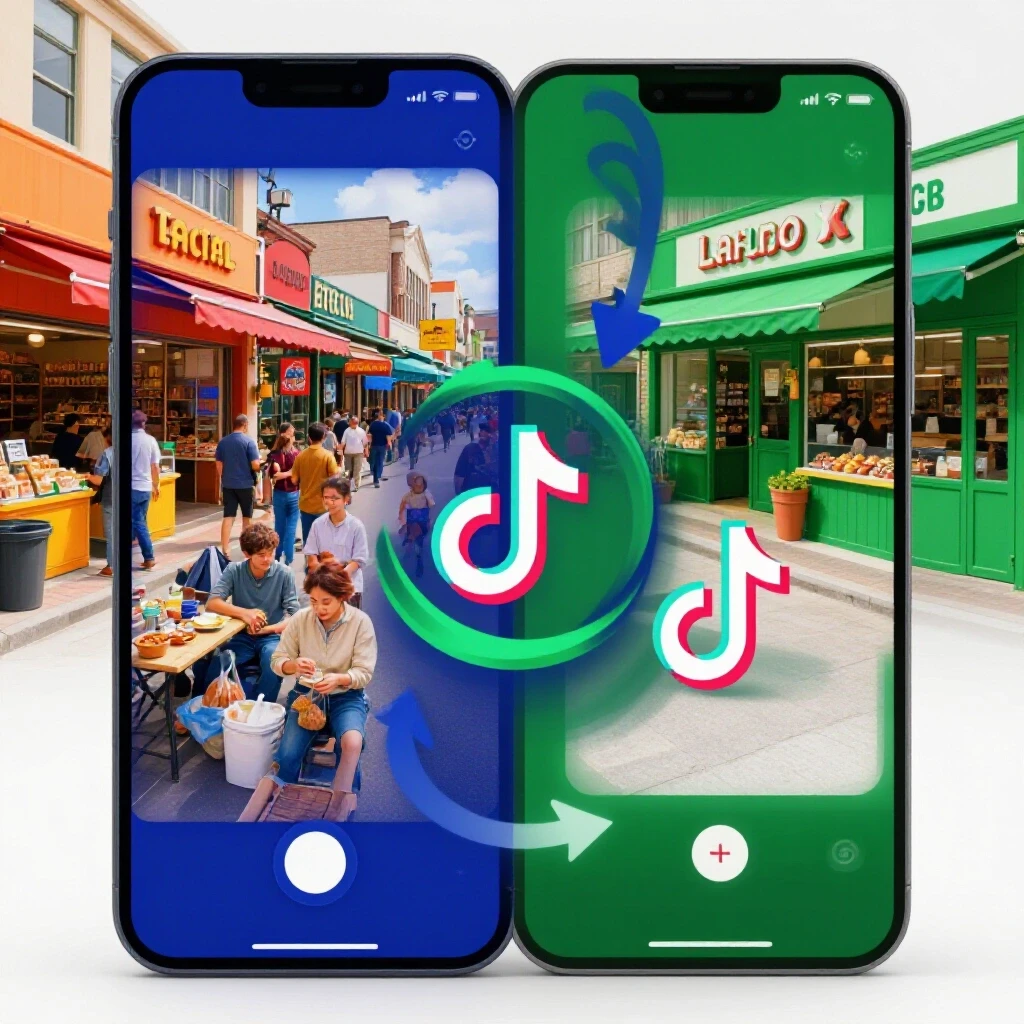
Establishing clear goals for nearby visibility involves distinguishing between broad exposure and specific customer inquiries. It requires a strategic look at how content reaches people in a specific zip code and what actions those neighbors take after watching. This foundation ensures that every video serves a measurable purpose for the establishment.
In my experience, the most common mistake is chasing views without a geographic focus. For a neighborhood shop, ten thousand views from across the country are worth far less than five hundred views from people living five miles away. When we look at the recommendation engine, we have to consider how it uses location signals to place content in front of relevant neighbors. This is the first step in a platform comparison analysis that prioritizes local relevance over global virality.
Building on this, I have found that the “For You” feed acts as a modern-day digital storefront. When a user in a specific city opens the app, the algorithm prioritizes content that feels relevant to their immediate surroundings. This creates a unique opportunity for awareness that traditional search engines often miss. Instead of waiting for someone to search for a service, the content introduces the service to them during their daily scrolling habit.
The Mechanics of Community Awareness and Visibility
Broad exposure in a specific area relies on the platform’s ability to identify where a video was filmed and who might find it useful nearby. This process uses metadata, captions, and user behavior to create a map of relevance. The goal here is to stay “top of mind” so that when a neighbor needs a service, they remember the face they saw on their feed.
Interestingly, the shelf-life of a local video can be surprisingly long. I have tracked videos that continued to gain traction within a specific city weeks after they were posted. This happens because the recommendation engine keeps testing the content with new clusters of local users. Unlike other platforms where content disappears in hours, this persistent visibility helps build a steady stream of awareness without constant posting.
- Geographic Signal Strength: The algorithm looks for city names in captions and audio.
- User Retention Rates: High watch times tell the platform that the local community finds the content interesting.
- Shareability within a Region: When neighbors send a video to each other, it reinforces the local relevance signal.
Transitioning from Local Views to Direct Inquiries
Moving from broad reach to specific customer actions requires a shift in how content is structured and what the viewer is asked to do. While awareness is about being seen, generating interest is about starting a conversation or prompting a visit. This transition often involves using profile features and engagement prompts to move the user from a passive viewer to an active lead.
In one project I managed, we noticed that videos with a clear “call to conversation” performed much better for service bookings than those that were just entertaining. Instead of just showing a finished project, the creator asked a question about a common problem neighbors face. This led to a surge in comment-section inquiries, which we then tracked as a primary performance metric. It proved that engagement is the bridge between being known and being hired.
As a result, we started focusing on “signal-based engagement.” This means looking for comments that indicate intent, such as “Where are you located?” or “How much does this cost?” These are the true lead indicators for a neighborhood establishment. They represent a much higher value than a simple like or a generic comment from someone outside the service area.
| Metric Category | Awareness Focus | Lead Generation Focus |
|---|---|---|
| Primary Goal | Maximize local impressions | Drive inquiries and bookings |
| Key Indicator | Total video views | Profile clicks and messages |
| Content Type | Educational or entertaining | Solution-oriented with CTA |
| Success Marker | High reach in target city | High ratio of comments to views |
Signal-Based Engagement for Neighborhood Establishments
Using comments and profile visits as lead indicators allows a manager to see the direct impact of content on business growth. These actions show that a viewer has moved past the initial discovery phase and is seeking more information. For a local entity, this is the most critical stage of the digital journey, as it often leads to a physical visit or a phone call.
I have observed that the “link in bio” is often underutilized in local strategies. While we can’t always track every offline conversion, we can track how many people clicked through to a booking page after watching a specific video. By monitoring these click-through rates (CTR), we can identify which content themes are actually driving business results rather than just inflating view counts.
- Comment Sentiment Analysis: Are people asking about prices or availability?
- Profile Visit Ratio: How many viewers felt compelled to learn more about the business?
- Direct Message Initiation: The number of private inquiries started directly from a video.
Measuring Geographic Impact and User Behavior
Tracking how local viewers interact with content provides the data needed to justify the time spent on the platform. This involves looking beyond surface-level numbers and focusing on metrics that correlate with actual foot traffic or service calls. It is about understanding the “why” behind the “what” when it comes to user behavior in a specific region.
During a longitudinal study of several accounts, I found that the ratio of organic engagement to paid reach is a key health indicator. For local businesses, organic reach is still a viable way to build a community without a massive investment. However, this requires a deep understanding of what the local audience values. Are they looking for tips on home maintenance, or do they want to see behind-the-scenes footage of a local kitchen?
To help marketing managers evaluate these outcomes, I recommend using a unified reporting framework. This allows you to compare the performance of different content types side-by-side. By looking at the data this way, you can see if your “awareness” videos are actually feeding your “lead” pipeline over time.
- Define Local Benchmarks: Establish what a “good” view count looks like for your specific city.
- Monitor Retention Curves: See exactly where local viewers stop watching to improve content flow.
- Track Conversion Events: Use third-party tools or manual logs to link digital inquiries to real-world sales.
- Analyze Demographic Shifts: Ensure the people watching are actually in the age and location bracket you serve.
- Audit Profile Performance: Regularly check if your profile information is clear and easy for a neighbor to use.
Why Conflicting Algorithms Complicate Local Strategy
The recommendation engine can sometimes feel unpredictable, serving a video to a global audience when you only want local eyes. This happens because the platform prioritizes engagement signals above all else. If a video is globally “viral,” it might lose its local focus, leading to a high view count but zero new customers for a neighborhood shop.
Building a real placement blueprint means leaning into local signals to keep the algorithm on track. This includes using local landmarks in the background of videos, mentioning specific street names, and engaging with other local accounts. These small actions help ground the content in a specific place, ensuring that the “awareness” you build is actually relevant to the business’s physical location.
Building on this, I have found that consistency in local tagging is more important than chasing every global trend. When you consistently produce content that appeals to a specific community, the algorithm learns who your “ideal neighbor” is. Over time, this leads to a more stable and predictable stream of local leads, which is much easier to justify to an executive board than a one-time viral hit.
Comparing Reach Metrics and Direct Action
Evaluating the gap between being seen and being contacted is the only way to determine true ROI. A video with a million views might result in zero leads, while a video with five hundred views might book out a service provider for a month. Understanding this discrepancy is the hallmark of a seasoned marketing manager.
In my years of testing, the most successful local accounts are those that balance these two objectives. They use broad, helpful content to build awareness and specific, offer-based content to generate leads. This creates a “flywheel” effect where the awareness content brings people into the ecosystem, and the lead content converts them into customers.
- Awareness Benchmark: Aim for a high “initial hook” rate where viewers stay past the first three seconds.
- Lead Benchmark: Aim for a steady increase in profile visits and link clicks relative to total views.
- ROI Calculation: Compare the effort spent on content creation to the number of qualified local inquiries received.
Actionable Tracking Framework for Local Success
To stay organized, I use a simple checklist to ensure every piece of content is optimized for either awareness or leads. This helps me explain the strategy to clients who might be overwhelmed by the fast-paced nature of the platform. By showing them a structured approach, I can prove that we aren’t just “posting for the sake of posting.”
- Objective Identification: Is this video for discovery or for a specific call to action?
- Local Signal Check: Does the caption include the city or neighborhood name?
- Engagement Prompt: Is there a clear question or instruction for the viewer?
- Metric Alignment: Which specific data point will we use to judge this video’s success?
- Follow-up Plan: How will we handle the inquiries that come into the comments or messages?
Next Steps for Local Marketing Managers
The best way to start is by auditing your current content to see where it falls on the awareness-to-leads spectrum. Most local businesses lean too far in one direction. They are either too “salesy,” which hurts their reach, or too “entertaining,” which doesn’t drive business. Finding the middle ground is where the strongest returns are found.
Start by creating three videos focused purely on local awareness—sharing a tip or a local secret. Then, create one video that is a direct lead-generator, offering a specific solution to a local problem. Monitor the results over thirty days and adjust your strategy based on which videos drove the most profile visits and inquiries. This data-driven approach will give you the confidence to justify your platform choices to any board or client.
Frequently Asked Questions
How does the platform know to show my content to local neighbors? The algorithm uses a variety of signals including your IP address, the location tags you use, and the keywords in your captions. It also looks at the behavior of people who interact with your content; if they are located in your city, the platform will show it to more people in that same area.
Is it better to have one viral video or many small local hits? For a local business, many small local hits are far more valuable. A global viral video brings in followers who can never buy from you, which can actually confuse the algorithm about who your target audience is. Consistent local reach builds a community of potential customers.
What is a “good” view count for a neighborhood business? This depends entirely on the size of your city. Instead of looking at the total number, look at the engagement rate. If 5% of your viewers are clicking your profile or asking questions, that is a much stronger indicator of success than a high view count with no interaction.
How can I track offline visits from a video? While direct tracking is difficult, you can use “mention this video” offers or specific landing pages in your bio. You can also monitor spikes in foot traffic or phone calls that correlate with the days you post high-performing local content.
Should I use trending sounds if they don’t fit my local brand? Only use trends if you can give them a local twist. If a trend is popular in your city, it can help with awareness. However, if the trend feels forced, it may hurt your credibility with neighbors who are looking for authentic local services.
How often should a local business post for maximum awareness? Consistency matters more than frequency. Posting three times a week with high-quality, locally relevant content is usually better than posting every day with low-effort videos. This gives the algorithm time to test each video with different local clusters.
What are the best keywords to use for local discovery? Include your city name, neighborhood, and the specific service you provide. Use phrases that neighbors might actually say, such as “Best coffee in [City]” or “Looking for a plumber in [Neighborhood]?” These act as strong signals for the recommendation engine.
Does responding to comments help with local reach? Yes, significantly. When you respond to comments, you signal to the platform that your content is generating conversation. If those commenters are local, it further reinforces your geographic relevance, pushing the video to more people in your area.
Can awareness-focused content also generate leads? Absolutely. Often, a helpful “how-to” video that builds awareness will prompt a viewer to ask for professional help in the comments. This is why every video should be treated as a potential entry point for a new customer.
What is the biggest mistake local businesses make on the platform? The biggest mistake is trying to appeal to everyone. By trying to be globally “relatable,” they lose the local charm and specific geographic signals that would have brought them actual customers from their own backyard.
How do I handle negative comments from local users? Treat them as a customer service opportunity. Responding professionally and helpfully shows other local viewers that you are a real, accountable business in their community. This can actually build more trust than having no negative comments at all.
Is a professional camera necessary for local awareness? No. In fact, raw and authentic “behind-the-scenes” footage often performs better for local businesses. It feels more like a recommendation from a neighbor and less like a polished advertisement, which builds higher levels of trust.
(This article was written by one of our staff writers, Jonathan Mercer. Visit our Meet the Team page to learn more about the author and their expertise.)