How to Fix Audience Mismatch Mistakes in Social Media Growth (Guide)
A few years ago, I sat in a high-pressure meeting with a leading eco-conscious lifestyle brand. They had spent months shifting their messaging to highlight sustainable packaging and carbon-neutral shipping. On the surface, the campaign was a hit, gaining millions of views. However, their actual sales were plummeting, and their core community was silent. We soon realized the viral surge had attracted a demographic interested in “free giveaways” rather than environmental advocacy. This mismatch triggered a severe engagement drop that took nearly six months to fix.
Why Sudden Reach Drops Strike Brands—And How to Formulate a Root Cause Recovery Plan
A sudden reach drop occurs when a platform’s algorithm detects a sharp decline in how users interact with your content. This often happens because the content no longer resonates with the people seeing it. To recover, you must identify if the issue is a technical violation or a fundamental shift in your viewer base.
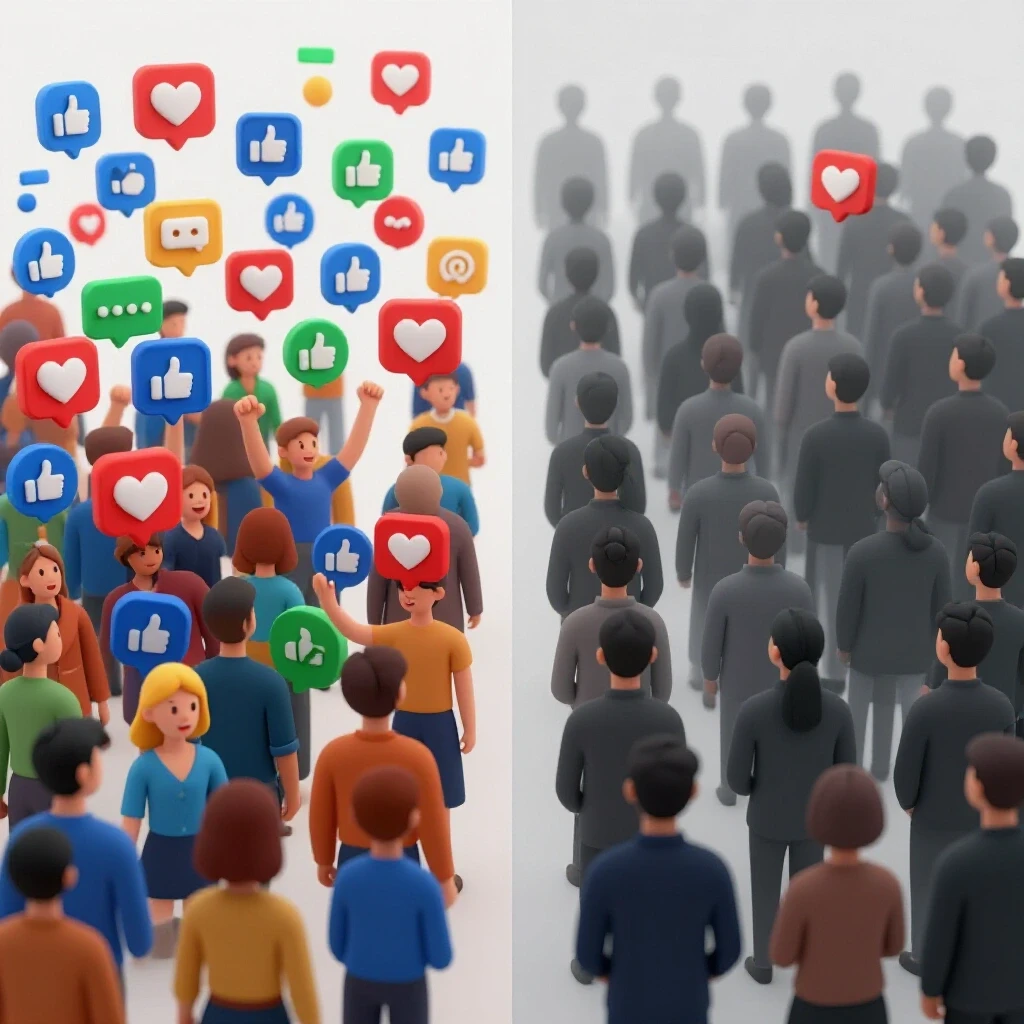
In my 14 years of operations, I have seen many brands chase trends only to realize they have alienated their primary supporters. When you attract the wrong people, the algorithm sees low click-through rates and stops pushing your posts. This creates a cycle of stagnation. To break this, you need a structured recovery plan that focuses on data over assumptions.
I once managed a recovery campaign for a heritage brand that accidentally triggered an algorithmic penalty. They had used trending audio that was unrelated to their niche. While they got views, the “watch time” was abysmal. The platform flagged the account for “low-quality distributions.” We had to stop posting for 48 hours and then return with content strictly for their core buyers to signal to the algorithm who the “right” audience actually was.
Identifying the Misalignment Trigger
An audience misalignment trigger is a specific event or content piece that brings in followers who do not care about your brand’s long-term value. This can happen through viral “off-brand” posts or broad contests. Identifying this trigger is the first step in a successful audience reach recovery.
- Analyze the last 30 days of follower growth.
- Check for “spikes” in reach that did not result in website clicks.
- Look for a rise in negative or “bot-like” comments.
- Compare current engagement rates against your six-month average.
| Metric | Healthy Range | Warning Sign |
|---|---|---|
| Reach Velocity | Steady growth (2-5% monthly) | Drop of >40% in one week |
| Engagement Rate | 1.5% – 3% (platform dependent) | Below 0.5% consistently |
| Sentiment Index | 70% Positive / Neutral | >30% Negative or Irrelevant |
| Save-to-Reach Ratio | 1 save per 100 views | 1 save per 1,000 views |
Algorithmic Penalty Diagnosis: Distinguishing Between Technical Bans and Audience Mismatch
An algorithmic penalty diagnosis is the process of determining why a platform has restricted your content’s visibility. It involves checking for policy violations, such as “shadowbans,” versus organic declines caused by poor user signals. Understanding this distinction prevents you from wasting time on the wrong fixes.
Many managers panic and assume they are “shadowbanned.” A social media shadowban is a form of search suppression where your content does not appear in hashtags or discovery feeds. This usually happens due to policy violations, like using banned keywords or spammy behavior. However, most “reach drops” are simply the algorithm reacting to a lack of interest from your current follower list.
I worked with a brand that thought they were shadowbanned because their reach fell by 60%. After a deep-dive audit, we found no policy violations. The truth was simpler: they had changed their posting frequency and content style too quickly. Their loyal fans stopped clicking, and the algorithm assumed the brand was no longer relevant. We didn’t need an appeal; we needed a content pivot.
Shadowban Verification Matrix
A verification matrix helps you systematically check if your account is being restricted by the platform or if your strategy is failing. By testing specific visibility markers, you can determine if you need to contact support or change your creative direction.
- Hashtag Test: Post a unique, low-competition hashtag and check if your post appears in the “Recent” tab from a non-following account.
- Account Status Check: Navigate to the “Account Status” or “Professional Dashboard” settings to see if the platform has flagged any specific posts for removal.
- Collaborator Test: Tag a partner account. If the post shows for their followers but not yours, the issue is likely your specific account’s health.
- Searchability: Type your exact username into the search bar from a new account. If you don’t appear in the top three results, you may have a search suppression penalty.
Communicating Engagement Drop Resolution to Executive Leadership
Effective stakeholder communication involves translating complex social media metrics into business impact and actionable timelines. It requires managing expectations by explaining that audience reach recovery is a slow process. This transparency builds trust with upper management during high-stress periods of stagnation.
When reach hits a wall, leadership often wants “instant” fixes. I have learned to lead these meetings with a “Root Cause Analysis” report. I explain that we are currently in a “recalibration phase.” This sounds better than “we are failing.” I show them the data: “We attracted 10,000 people who like memes, but our brand sells high-end software. The algorithm is confused. We need 60 days to retrain it.”
You must be honest about timelines. Most brand reputation recovery efforts take 5 to 15 business days just for an initial appeal response. Total account rehabilitation usually takes 3 to 6 months of consistent, high-quality posting. Setting these expectations early prevents the “why isn’t it fixed yet?” emails on day three.
The Recovery Reporting Framework
A recovery reporting framework is a template used to update stakeholders on the progress of an account’s health. It focuses on “leading indicators” like sentiment and saves, rather than just “vanity metrics” like likes. This helps prove that the recovery is moving in the right direction.
- Phase 1 (Diagnosis): Identify the specific content or policy that caused the drop.
- Phase 2 (Containment): Stop all paid ads and “risky” content to prevent further penalties.
- Phase 3 (Rehabilitation): Publish “safe,” high-value content to re-engage the core audience.
- Phase 4 (Scaling): Slowly re-introduce broader topics once the baseline reach has stabilized.
Rebuilding Trust Through a Community Recovery Sequence
A community recovery sequence is a series of intentional posts designed to win back the favor of your core followers and the algorithm. It focuses on high-intent interactions, such as comments and shares, rather than passive views. This sequence signals to the platform that your content is valuable again.
After an audience crisis management situation, you cannot just go back to “business as usual.” You need to acknowledge the shift. If you posted content that attracted the wrong crowd, your core fans might feel ignored. I often suggest a “Back to Basics” series. This involves direct-to-camera videos or long-form captions that remind the audience why the brand exists.
In one project, a client’s reach was suppressed because they had been flagged for “engagement bait.” To fix it, we spent two weeks doing nothing but responding to every single comment with thoughtful, non-generic answers. This increased the “meaningful social interaction” score of the account. The algorithm noticed the high reply rate and began slowly expanding our reach again.
Steps for a Reach Restoration Campaign
- The Audit: Remove or archive posts that triggered the original reach drop.
- The Dark Period: Reduce posting frequency for 72 hours to allow the “system” to reset.
- The Re-Engagement Post: Share a high-value, “saveable” piece of content (like a guide or deep-dive).
- The Interactive Phase: Use polls, questions, and stickers to force active engagement.
- The Monitoring Phase: Track reach velocity over the next 14 days to ensure it is trending upward.
Implementing Long-Term Account Audits to Prevent Demographic Drift
A long-term account audit is a recurring check-up to ensure your content is still reaching the people who actually buy your products. It prevents “demographic drift,” which is when your audience slowly shifts toward people who have no intention of converting. Regular audits are the best defense against future engagement drops.
I recommend a deep-dive audit every 90 days. We look at “follower quality” tools and platform-native insights. Are the people engaging with us in the right geographic locations? Are they in the right age bracket? If I see a luxury brand starting to get massive engagement from 13-year-olds who can’t afford the product, we immediately pivot the creative.
Preventing an engagement drop resolution crisis is much easier than fixing one. This means saying “no” to viral trends that don’t fit the brand. It means being okay with a video getting 5,000 “right” views instead of 500,000 “wrong” ones. Resilience in social media operations comes from knowing exactly who you are talking to and refusing to blink when the numbers look small.
Diagnostic Tools for Brand Protection
- Platform Native Insights: Use the “Followers” tab to check active hours and top locations.
- Sentiment Analysis Software: Tools like Brandwatch or Sprout Social help track the “mood” of the comments.
- Account Health Dashboards: Check the “Recommended Guidelines” section in your account settings weekly.
- Manual Search Checks: Regularly search for your brand name from a clean browser to see what the public sees.
Conclusion: The Path to Sustainable Recovery
Recovering from a severe engagement drop is a marathon, not a sprint. It requires a cold, hard look at the data and the humility to admit when a strategy has missed the mark. By focusing on your core audience and maintaining a clean account status, you can rebuild reach that actually converts.
Start today by auditing your last ten posts. Do they serve your best customers, or were they designed to “go viral”? If it’s the latter, it’s time to recalibrate. Focus on “saveable” and “shareable” content that provides real value. Over time, the algorithm will reward your consistency with the right kind of attention.
FAQ
How long does it take to recover from a social media shadowban? A technical shadowban usually lasts between 14 and 30 days, provided the offending content is removed. However, if the “ban” is actually an audience mismatch, recovery can take 3 to 6 months of consistent, targeted posting to retrain the algorithm.
What is the first thing I should do if my reach drops by 50% overnight? First, check your “Account Status” in settings to see if you have a policy violation. If that is clear, look at your most recent viral post. If that post brought in a different demographic than your usual followers, the algorithm is likely struggling to find the right audience for your new content.
Can I appeal an algorithmic penalty? You can appeal specific content removals or account restrictions through the platform’s support interface. However, you cannot “appeal” a general drop in reach. For reach issues, the only solution is to improve the quality and relevance of your content for your target audience.
How do I explain a reach drop to my boss without looking bad? Use data to show that the drop is a “recalibration” rather than a failure. Explain that the account is being audited to ensure we are reaching high-value customers rather than low-intent “bot” accounts. Provide a 90-day recovery roadmap to show you have a plan.
Should I stop posting entirely if my engagement is low? A short “reset” period of 48 to 72 hours can be helpful if you have been flagged for spam. However, long-term silence will hurt you. After a short break, return with a high-value “core” post and focus on responding to every comment to boost engagement signals.
Does buying followers cause an algorithmic penalty? Yes. Platforms are highly sensitive to “inauthentic activity.” Buying followers will lead to a severe and often permanent drop in reach because the algorithm sees thousands of accounts that never interact with your content, signaling that your brand is “boring” or “fake.”
How do I know if my audience is “wrong” for my brand? Check your “Engagement-to-Follower” ratio. If you have 100,000 followers but only 100 likes and zero comments, your audience is misaligned. They are either inactive, bot accounts, or people who followed you for a reason that no longer applies to your current content.
What metrics matter most during a recovery campaign? Focus on “Saves” and “Shares.” These are high-intent actions that tell the algorithm your content is valuable. “Likes” are a weak signal. You should also track “Reach Velocity,” which is the speed at which your post spreads in the first hour of posting.
Can a single post cause a brand reputation recovery crisis? Absolutely. A post that is culturally insensitive or violates platform safety guidelines can trigger an immediate “trust score” drop for your account. This leads to the platform suppressing all future content until the account proves it is “safe” again over several weeks.
Is it better to start a new account or fix a broken one? In most cases, it is better to fix the existing account, especially if it has a verified badge or a long history. Starting over means losing your username and your established “trust” with the platform. Only start over if the account has been permanently disabled or “blacklisted” from all discovery features.
(This article was written by one of our staff writers, Andrew Collins. Visit our Meet the Team page to learn more about the author and their expertise.)