How to Recover from a Failed Cross-Post Strategy (Step-by-Step)
Every brand reaches a point where efficiency starts to look like a shortcut, and that shortcut often leads to a cliff. In my 14 years of managing high-visibility social media operations, the most painful setbacks I have witnessed didn’t come from a single controversial post. Instead, they stemmed from a quiet, systematic failure in how content was distributed across different networks. When we treat every platform as a mirror of the other, we risk more than just low likes; we risk an algorithmic penalty that can take months to reverse.
I remember sitting in a high-stakes boardroom four years ago, staring at a reach chart that looked like a heart rate monitor flatlining. We had just launched a massive campaign across five different platforms. To save time, the team used the exact same video file, caption, and hashtags everywhere. Within 72 hours, our reach velocity dropped by 85%. The platform’s automated systems flagged the accounts for repetitive behavior, and our brand reputation recovery took nearly two quarters of meticulous work.
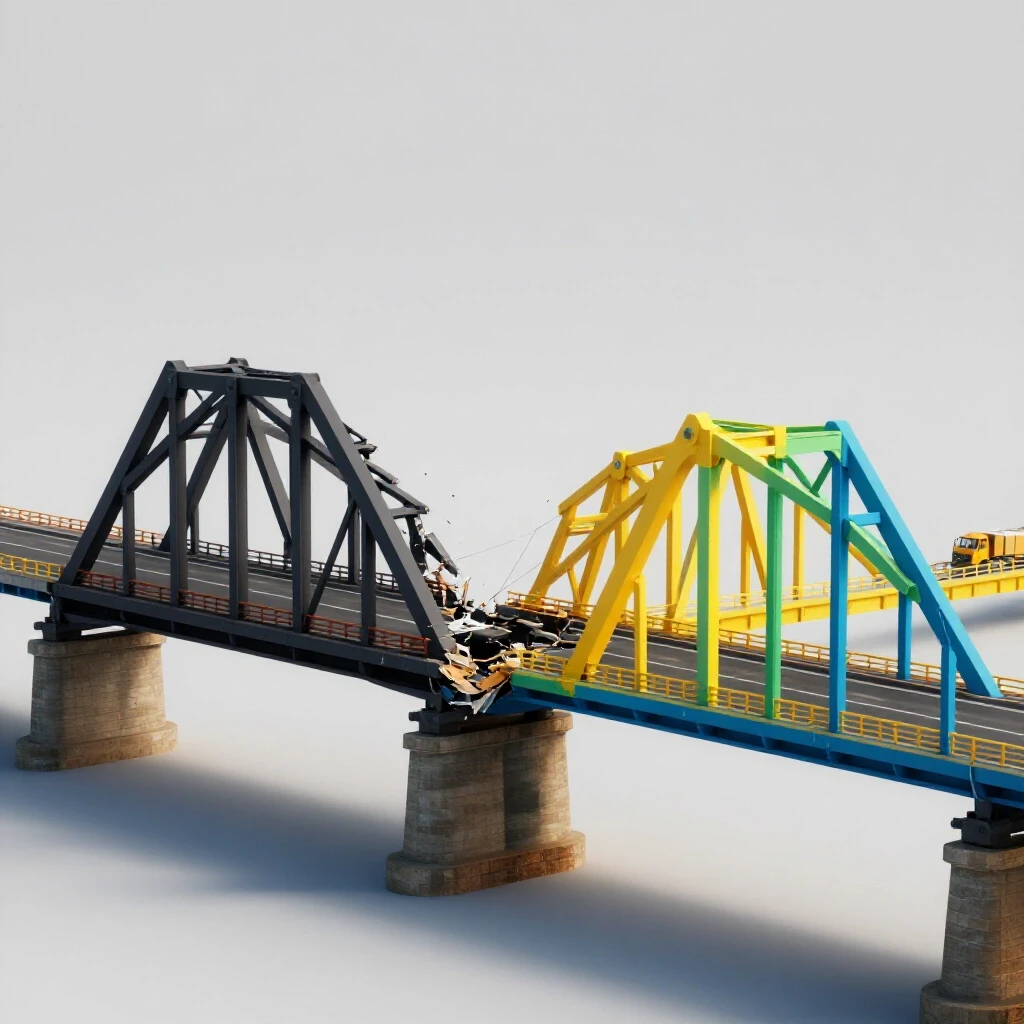
Identifying the Signals of Algorithmic Reach Stagnation
Algorithmic reach stagnation occurs when a platform’s distribution system identifies content as low-value or repetitive, leading to a deliberate reduction in how often that content appears in user feeds. This is a protective measure by platforms to ensure users do not see the same post multiple times across different apps.
When your reach drops suddenly, it is rarely a coincidence. You are likely facing search suppression, often called a social media shadowban. This isn’t a formal notification you get in your inbox. Instead, it is a silent threshold where your content is filtered out of discovery tabs and hashtag searches. In my experience, the first sign is a sharp engagement drop resolution issue where your “non-follower” reach hits near zero.
To begin an algorithmic penalty diagnosis, you must look at your engagement variance. If your loyal followers are still commenting but your “discovery” metrics have vanished, the platform has likely flagged your account. This often happens when the system detects identical metadata—the hidden data inside a file—being uploaded simultaneously across various channels.
Why Search Suppression Strikes Established Brands
Search suppression is a mechanism used by social media platforms to limit the visibility of accounts that appear to be automating their presence or duplicating content excessively. It acts as a middle ground between a full ban and normal operation, intended to keep the user experience fresh.
I have seen specialists panic when this happens, assuming they need to delete their accounts. That is a mistake. The suppression is usually a response to a specific pattern of behavior. If you have been syncing your posts so they look identical on every app, the algorithm views this as “low-effort” distribution. It prioritizes original, platform-specific content over mirrored posts.
Tracking Engagement Variance Thresholds
Engagement variance refers to the gap between your expected interaction levels and your actual performance during a crisis. By monitoring these thresholds, you can determine if your loss of traffic is due to a seasonal trend or a specific technical penalty.
- Reach Velocity: A drop of more than 50% in 24 hours usually indicates a technical flag.
- Follower vs. Non-Follower Ratio: If non-follower reach is below 5%, search suppression is likely active.
- Report-to-View Ratio: If users are flagging your content as “spam” because they saw it elsewhere, this ratio will spike.
| Metric | Normal Range | Penalty Warning |
|---|---|---|
| Reach Velocity | +5% to -5% weekly | -40% in 48 hours |
| Discovery Reach | 15% – 30% | Under 3% |
| Sentiment Index | 70+ Positive | Under 40 |
| Engagement Rate | 2% – 5% | Under 0.5% |
Formulating a Root Cause Recovery Plan for Distribution Errors
A root cause recovery plan is a systematic approach to identifying why an account’s performance has stalled and creating a step-by-step strategy to fix the underlying issue. It involves moving beyond surface-level symptoms to address the operational habits that triggered the penalty.
When I lead a recovery campaign, I start by auditing the last 30 days of posts. We look for “content clusters” where the same assets were used across multiple sites. If we find that 90% of our output was identical across three platforms, we have found our root cause. The recovery isn’t about posting more; it’s about posting differently.
You must stop all automated syncing immediately. This is the first step in audience reach recovery. By breaking the link between your accounts, you signal to the platform algorithms that a human is back at the wheel. We then move into a “rehabilitation period” where we only post unique, high-value content that encourages genuine conversation.
Conducting an Impact Assessment
An impact assessment is a formal review of how much a reach drop has affected the brand’s overall digital health and bottom line. It helps specialists explain the severity of the situation to leadership using data rather than emotion.
- Audit all active channels: Identify which specific platforms are showing the most suppression.
- Review metadata: Check if your distribution tools are stripping necessary data or adding “spammy” tags.
- Analyze audience feedback: Look for comments like “I’ve seen this three times already,” which indicates audience fatigue.
Establishing a Baseline Rehabilitation Period
The rehabilitation period is the timeframe required for an account to regain the “trust” of a platform’s algorithm after a penalty. During this time, reach will remain low, and the focus must be on quality and consistency rather than viral growth.
In my experience, this period usually lasts between 14 and 30 days. During this time, you should avoid any aggressive growth tactics. Do not use banned hashtags, do not buy engagement, and do not resume your previous distribution habits. I often tell my team that this is like physical therapy for an account; you have to do the small, boring movements correctly before you can run again.
Communicating Policy Violations to Upper Management
Stakeholder communication in a crisis involves translating technical algorithmic issues into business terms that executives can understand. It focuses on transparency, the steps being taken for recovery, and realistic timelines for seeing results.
One of the hardest parts of my job is walking into a VP’s office to explain why our reach has vanished. They often want an “instant restoration,” which simply doesn’t exist in social media. I use a “Recovery Phase Timeline” to manage their expectations. This shows that we are in a controlled process of rebuilding, not just waiting for luck to change.
I explain that the platform hasn’t “broken”; rather, our strategy triggered a brand safety validation protocol. By framing it as a technical misalignment rather than a total failure, you maintain your authority while being honest about the recovery time. This builds trust even when the numbers are down.
Using the Trust Recovery Phase Timeline
The Trust Recovery Phase Timeline is a visual tool used to show the stages of account rehabilitation. It maps out the expected milestones from the initial drop to full reach restoration.
- Diagnosis Phase (Days 1-3): Identify the trigger and stop all automated distribution.
- Stabilization Phase (Days 4-10): Post unique, native content; monitor for “discovery” reach.
- Rebuilding Phase (Days 11-21): Gradual increase in posting frequency; focus on high-engagement formats.
- Restoration Phase (Days 22+): Reach begins to normalize; resume standard operations with new guidelines.
Managing Internal Expectations During Stagnation
Managing expectations means being clear about what you can and cannot control during an engagement drop resolution. It involves setting realistic KPIs that focus on engagement quality rather than just raw reach numbers.
- Provide weekly updates: Share the sentiment index and engagement variance trends.
- Explain the “Why”: Use platform policy documentation to show that this is a common industry challenge.
- Avoid over-promising: Never guarantee a specific date for reach to return; focus on the progress of the recovery plan.
Executing a Community Recovery Sequence
A community recovery sequence is a content strategy designed to re-engage your most loyal followers and prove to the algorithm that your account provides value. It prioritizes two-way communication and original storytelling over broad broadcasting.
When your reach is suppressed, the algorithm is essentially “ignoring” you. To get its attention back, you need your existing followers to vouch for you. I implement a “Hand-to-Hand” engagement strategy. This means responding to every single comment, hosting live sessions, and using polls to spark interaction.
This helps with brand reputation recovery because it shows your audience that you are present and listening. When your followers engage deeply with your content, the platform’s content filtration systems begin to see your account as “high-quality” again. This is the only way to naturally lift search suppression.
Rebuilding Trust After Audience Backlash
Audience backlash occurs when followers feel a brand is being lazy, repetitive, or unresponsive. Rebuilding trust requires a shift from “pushing” content to “inviting” participation.
I once worked with a brand that faced a massive drop because they posted the same promotional graphic 12 times in one week across three sites. The audience felt spammed. We recovered by pivoting to “Behind the Scenes” content that was filmed specifically for each platform. We didn’t apologize for the previous posts; we simply started providing so much value that the old mistakes were forgotten.
Implementing Data-Backed Recovery Campaigns
A data-backed recovery campaign uses historical performance data and real-time sentiment tracking to guide content decisions. It moves away from “gut feelings” and relies on what the metrics say about audience preferences.
- Audit top-performing historical posts: What worked before the drop?
- Test new formats: If video reach is down, try long-form text or carousels.
- Monitor the Sentiment Index: Are comments becoming more positive?
| Phase | Content Focus | Primary Metric |
|---|---|---|
| Initial Drop | Stop all syncing | Reach Velocity |
| Week 1 | Native-only video | Completion Rate |
| Week 2 | Interactive polls | Engagement Rate |
| Week 3 | Community stories | Sentiment Index |
Implementing Ongoing Account Audits and Protection
Ongoing account audits are regular checks of an account’s health, settings, and performance to prevent future penalties. They act as an early warning system for algorithmic shifts or audience fatigue.
Recovery is not a one-time event; it is a change in operational philosophy. To avoid another audience crisis management situation, I now require my teams to perform a “Brand Safety Audit” every month. We look at our report-to-view ratios and check our “Account Status” in the platform settings to ensure no new violations have appeared.
We also use a “Content Diversification Matrix.” This ensures that no two platforms are ever getting the exact same asset at the exact same time. Even if the core message is the same, the format, the hook, and the call-to-action must be tailored. This keeps the algorithms happy and the audience engaged.
Tools for Monitoring Brand Health
Monitoring brand health requires a mix of platform-native tools and external sentiment analysis. These tools help you see the “unseen” metrics that influence your reach.
- Platform Account Status Dashboards: These are the most direct way to see if you have active policy violations.
- Sentiment Tracking Software: These tools scan comments and mentions to give you a “mood” score for your brand.
- Reach Tracking Calculators: Use these to compare your current reach against your 90-day rolling average.
- Competitor Benchmarking Tools: See if your drop is industry-wide or specific to your account.
Final Steps for Long-Term Reach Restoration
Long-term restoration is the final stage where an account returns to its peak performance levels. It requires maintaining the high standards set during the recovery period.
- Update your Standard Operating Procedures (SOPs): Ban the practice of identical cross-posting.
- Train your team: Ensure everyone understands how metadata and duplication affect reach.
- Keep a “Crisis Log”: Document what worked during your recovery so you have a playbook for the future.
Restoring an account after a distribution failure is a marathon, not a sprint. It requires a calm head, a reliance on data, and the courage to tell leadership that the “easy way” was actually the most expensive way. By following a methodical recovery plan, you can not only regain your reach but build a more resilient brand.
Frequently Asked Questions
Why did my reach drop suddenly after years of the same posting strategy? Platforms constantly update their content filtration systems to combat spam and repetitive content. What worked a year ago might now trigger a social media shadowban if the algorithm perceives it as automated or low-value duplication.
How can I tell if I have an algorithmic penalty or if my content is just bad? Check your “Discovery” or “Non-Follower” reach. If your followers are still seeing and liking your posts, but you are getting zero reach from people who don’t follow you, it is likely an algorithmic penalty diagnosis rather than a content quality issue.
How long does it take to recover from search suppression? Most brands see the start of a recovery within 14 to 30 days of changing their behavior. However, full restoration to previous reach levels can take 60 to 90 days of consistent, unique, and high-quality posting.
Should I delete the posts that caused the reach drop? In most cases, no. Deleting a large amount of content at once can actually trigger more “suspicious activity” flags. It is better to stop the behavior moving forward and let the old content move down the feed naturally.
Can I still use the same video on different platforms if I edit it slightly? Yes. To avoid penalties, you should change the aspect ratio, use different captions, and most importantly, export a new file so the metadata is unique. Platforms reward content that feels native to their specific environment.
What is a Sentiment Index and why does it matter for recovery? A sentiment index is a score that measures the ratio of positive to negative interactions on your account. Algorithms use this to determine if your content is “valuable” to the community. A rising sentiment index is a leading indicator that your reach will soon follow.
How do I explain a shadowban to my boss without sounding like I’m making excuses? Frame it as a “technical reach suppression” caused by platform-wide policy shifts regarding content redundancy. Show them the platform policy documentation and provide a clear recovery timeline based on data-backed strategies.
Is it safe to use third-party tools for scheduling during recovery? It is generally safe as long as you are not using them to “blast” identical content. During recovery, I recommend posting manually through the platform’s own interface to show the algorithm that a human is interacting with the app.
What is “reach velocity” and why is it important? Reach velocity is the speed at which your content spreads in the first few hours of posting. A sudden drop in velocity is often the first sign of a penalty. Monitoring this helps you catch issues before they turn into a full-blown crisis.
Does buying “reach” or “engagement” help fix a suppressed account? No. In fact, it is the fastest way to get your account permanently banned. Platforms can easily detect fake engagement, and it will only prove to the algorithm that your account is engaging in “inauthentic behavior.”
(This article was written by one of our staff writers, Andrew Collins. Visit our Meet the Team page to learn more about the author and their expertise.)