Misleading Social Media Engagement Rates: How to Recover (Guide)
Maintaining a healthy social media presence often feels like ease of care when the algorithm is on your side, but that comfort can be a trap. Throughout my 14 years in operations, I have seen many managers mistake high interaction numbers for genuine account health. I remember one specific recovery campaign for a major lifestyle brand where their dashboard showed record-breaking likes, yet their actual web traffic had plummeted by 60 percent.
This disconnect was my first major lesson in how surface-level metrics can hide deep-seated issues. We eventually discovered the account was suffering from a subtle form of search suppression because of repetitive tagging patterns. It took four months of methodical work to restore their standing. That experience taught me that if you only look at the “big numbers,” you will miss the early warning signs of an algorithmic penalty or a brewing audience crisis.
The Illusion of Performance and the Reality of Reach Throttling
This section explores the gap between visible interactions and the actual health of an account’s distribution. It explains why high numbers of likes or comments can sometimes mask a significant drop in how many new people are actually seeing your content due to platform-level restrictions or audience fatigue.
When I talk about audience reach recovery, I focus on “reach velocity.” This is the speed at which your content moves from your core followers to a wider audience. In my work, I have found that a brand can have high interaction from a tiny, dedicated group of fans while being completely blocked from reaching anyone else. This is often the result of an algorithmic penalty diagnosis that hasn’t been officially communicated by the platform.
I once managed an account that had “great” engagement but was actually under a social media shadowban. A shadowban is a state where your content is technically live but is hidden from search results and discovery feeds. The brand didn’t know because their loyal fans were still commenting. We only found out when we looked at the “Percent of Reach from Non-Followers” metric. It had dropped from 35 percent to nearly zero.
Identifying the Platform Policy Trigger
This subtopic focuses on the specific actions or content types that cause a platform’s automated systems to limit your visibility. It covers the transition from normal operations to a restricted state, helping you understand the technical “why” behind a sudden loss of impressions or search presence.
Platform algorithms are essentially giant sets of rules designed to keep users safe and happy. When a brand account triggers a policy threshold—perhaps by posting too frequently, using banned keywords, or receiving a spike in user reports—the system automatically throttles its reach. I call this the “Content Moderation Threshold.” Once you cross it, your content is flagged for manual review or immediate suppression.
| Diagnostic Indicator | Healthy State | Penalty State |
|---|---|---|
| Reach from Non-Followers | 20% – 40% | Below 5% |
| Search Visibility | Appears in top results | Hidden or buried |
| Hashtag Performance | High discovery | Zero discovery |
| Comment Sentiment | Mostly positive/neutral | High volume of “hidden” or “flagged” comments |
Strategic Framework for Algorithmic Penalty Diagnosis
A systematic approach to identifying the root cause of visibility drops is essential for any recovery specialist. This section outlines how to audit your recent activity against platform guidelines to find the specific technical or policy-based reason why your account is no longer performing as expected.
When a client comes to me in a panic, the first thing I do is a “Content Audit.” We look back at the 30 days before the drop. We aren’t looking for “bad” posts; we are looking for “policy-sensitive” posts. In one case, a brand’s reach dropped because they used a trending audio clip that was later flagged for copyright issues. The platform didn’t delete the posts, but it lowered the entire account’s “trust score.”
An algorithmic penalty diagnosis requires you to be a detective. You have to look at your “Account Status” tools in the backend settings, but you also have to perform manual tests. I often have my team search for the brand from a fresh, unlinked account. If the brand doesn’t show up in the first few results, we know we are dealing with search suppression.
Formulating Stakeholder Communications for Reach Drops
This part of the process involves explaining complex technical failures to executives or clients who may not understand how algorithms work. It focuses on setting realistic expectations for recovery timelines and explaining why “buying” more engagement is never the solution to a drop in reach.
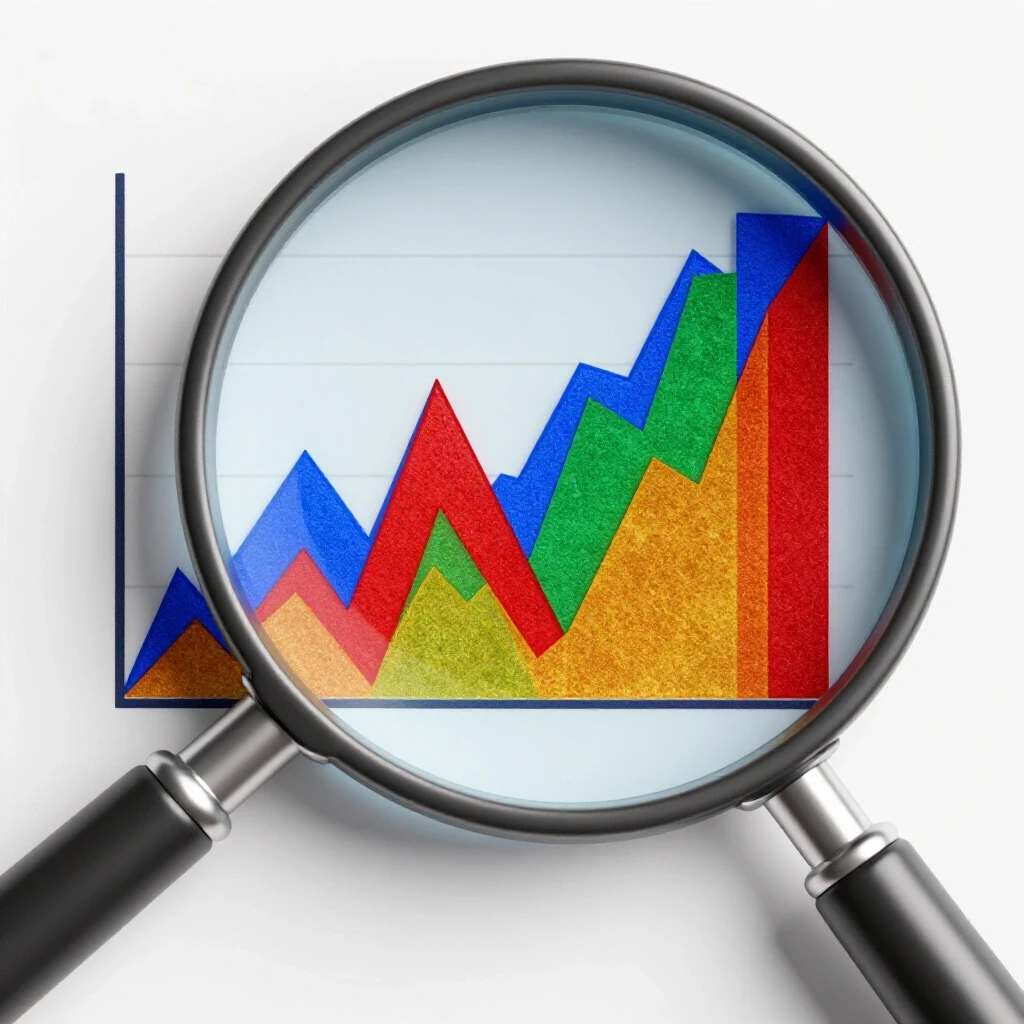
Communicating a social media shadowban to upper management is one of the hardest parts of my job. Leaders want quick fixes, but recovery is a marathon. I use data visualizations to show them the “Reach Variance Threshold.” This is the gap between our expected reach and our actual reach. I explain that we are in a “rehabilitation period” where our goal is to prove to the platform that we are a high-quality, safe account again.
I always advise against promising an “instant fix.” In my experience, a baseline rehabilitation period usually lasts between 14 and 90 days. If you tell a CEO it will be fixed by Friday, and it isn’t, you lose your own professional credibility along with the brand’s reputation.
The Mechanics of Audience Reach Recovery and Technical Appeals
Restoring an account’s visibility requires a mix of technical appeals and a shift in content strategy. This section details the steps for contacting platform support, submitting well-documented appeals, and the “cooling off” period necessary to reset the algorithm’s perception of your brand.
Submitting an appeal isn’t just about clicking a “Report a Problem” button. For high-visibility accounts, I prepare a “Recovery Dossier.” This includes screenshots of the reach drop, examples of the content that may have been misidentified by AI filters, and a clear statement of how we have corrected the issue. This makes the job easier for the human reviewer on the other side.
- Step 1: The Stop-Post Period. We often stop posting for 48-72 hours to clear the “spam” signals.
- Step 2: The Clean-Up. We remove any content that has high “report” rates or policy warnings.
- Step 3: The Appeal. We submit a formal request for review, citing specific platform guidelines we are following.
- Step 4: The Low-Risk Content Phase. We post only safe, high-value content that encourages positive, long-form comments.
Adjusting Creative Strategies for Recovery
After a setback, your content cannot go back to “business as usual” immediately. This subtopic explains how to change your creative approach to prioritize “safe” engagement that signals to the platform that your audience still values your presence and that your account is trustworthy.
During a recovery phase, I tell my clients to stop using “engagement bait.” The algorithm is very good at identifying “like if you agree” style posts, and if you are already under a penalty, this can make it worse. Instead, we focus on “Meaningful Social Interactions.” These are longer comments and shares to private messages, which the platforms weigh more heavily than a simple like.
In one audience reach recovery project, we shifted from high-frequency promotional posts to one high-quality educational video per week. By focusing on quality over quantity, we saw the “Average Watch Time” increase. This positive signal told the platform that our content was worth showing to more people, slowly lifting the restriction.
Brand Reputation Recovery Through Community-Facing Action
When a drop in engagement is caused by a public relations crisis rather than a technical glitch, the recovery process must be community-focused. This section outlines how to rebuild trust with your audience through transparency, active listening, and consistent, positive community management.
Audience crisis management is about more than just a public apology. It’s about changing how you interact with your followers on a daily basis. I once worked with a brand that faced a massive backlash due to a misinterpreted ad campaign. Their engagement rate stayed high, but the sentiment was 90 percent negative. People weren’t “engaging” because they liked the brand; they were engaging to vent their anger.
To manage this, we implemented a “Sentiment Tracking Index.” We categorized every comment as Positive, Neutral, or Negative. We didn’t delete the negative comments unless they violated safety rules. Instead, we responded to them with empathy and factual information. Over three months, we saw the negative sentiment drop from 90 percent to 15 percent.
| Recovery Phase | Action Item | Expected Outcome |
|---|---|---|
| Phase 1: Containment | Pause all automated posts and ads | Stop the spread of negative sentiment |
| Phase 2: Listening | Monitor keywords and sentiment | Identify the core “pain points” of the audience |
| Phase 3: Response | Post a transparent, human update | Address the issue directly without excuses |
| Phase 4: Rebuilding | Incremental high-value content | Restore reach through positive interactions |
Implementing Ongoing Account Audits for Long-Term Protection
Prevention is the best form of recovery. This subtopic discusses how to set up early warning systems and regular audits to ensure that your account stays in good standing with both the platform’s algorithm and your audience’s expectations.
I recommend a monthly “Brand Safety Audit.” This isn’t a marketing meeting; it’s an operational review. We check for “ghost followers,” review our report-to-view ratios, and ensure our content hasn’t drifted into “borderline” territory regarding platform policies. This proactive approach helps us catch a potential engagement drop resolution before it becomes a full-blown crisis.
Using tools to monitor your “Reach Velocity” can give you a 48-hour head start on a penalty. If you notice your reach is 20 percent lower than your 30-day average on three consecutive posts, something is wrong. Investigating then is much easier than trying to fix a total lockout a month later.
Conclusion with Practical Next Steps
Recovering from a major setback is never about a single “hack” or a secret trick. It is a disciplined process of diagnosing the root cause, communicating clearly with stakeholders, and slowly rebuilding trust with both the platform and your audience. I have spent 14 years seeing that the most resilient brands are the ones that value data over vanity.
If you are facing a sudden drop today, start by looking at your reach from non-followers. If that number has flatlined, stop your current posting schedule and begin a technical audit. Be patient with the process. A social media shadowban or a reputation crisis doesn’t happen overnight, and the recovery won’t either. Focus on high-quality, safe interactions, and the reach will eventually follow.
Frequently Asked Questions
How can I tell if my reach drop is a shadowban or just poor content? A shadowban, or search suppression, usually results in a near-total loss of reach from people who do not follow you. If your followers are still seeing your posts but your “Discovery” or “Explore” traffic has dropped to zero, it is likely a technical penalty. If both follower and non-follower reach are declining slowly together, it is more likely a content relevance issue.
How long does it take to recover from an algorithmic penalty? In my experience, a minor penalty can be resolved in 14 to 30 days of “clean” behavior. More severe penalties, especially those involving repeated policy violations, can take 60 to 90 days. It requires consistent posting of low-risk, high-value content to prove to the system that your account is no longer a risk.
Should I delete posts that I think caused a penalty? Yes, but do it carefully. Deleting a large volume of posts at once can sometimes trigger “suspicious activity” filters. I recommend archiving or deleting the specific posts that violated policies and then waiting 24-48 hours before starting a new, safe content sequence.
What is a “report-to-view” ratio and why does it matter? This is the number of times users report your content divided by the total number of views. Platforms have a threshold for this; if too many people flag your content as “spam” or “offensive,” the algorithm will automatically throttle your reach to protect the user experience. Keeping this ratio low is essential for brand reputation recovery.
How do I explain a reach drop to a client who only cares about likes? Shift the conversation to “unique reach” and “conversion potential.” Explain that likes from the same 100 people don’t grow the business. Show them that the current restriction is preventing new customers from finding the brand, which is why a methodical recovery plan is more valuable than a temporary spike in vanity interactions.
Can using third-party scheduling tools cause a drop in reach? Only if those tools are not “authorized partners” of the platform or if they are used to post at a frequency that mimics bot behavior. Most professional scheduling tools are safe, but I always check the platform’s official developer list to be sure.
What is the first thing I should do after an audience backlash? Pause all scheduled content immediately. There is nothing worse for brand reputation recovery than a “happy Monday” post appearing in the middle of a public crisis. Once everything is paused, you can begin the sentiment analysis and formulate a human, transparent response.
Does changing my account from Business to Personal help reset the algorithm? This is a common myth, and in my 14 years of experience, it rarely works. In fact, it often makes things worse because you lose access to the professional analytics and “Account Status” tools you need for an algorithmic penalty diagnosis. Stick to your professional account and focus on fixing the content and policy issues.
What are “Meaningful Social Interactions” (MSI)? MSI refers to interactions that require effort, such as comments longer than four words, shares to direct messages, and saved posts. Platforms prioritize content that sparks these interactions because they indicate the content is actually valuable to the user, rather than just something they scrolled past and tapped.
How often should I perform an account audit? I recommend a deep-dive audit once a month and a “health check” on your reach metrics once a week. This allows you to spot trends before they become disasters and ensures your audience reach recovery efforts are actually working.
Why did my engagement stay high while my reach dropped? This often happens when your “super-fans” are highly active, but the algorithm has stopped showing your content to new people. While it looks good on a surface-level report, it means your account is stagnating. You are talking to an ever-shrinking circle, which is why diagnosing the reach drop is more important than celebrating the likes.
Is it possible to appeal a shadowban? While most platforms don’t officially use the term “shadowban,” you can appeal “account restrictions” or “content removals.” By using the “Account Status” or “Support Inbox” features, you can ask for a review of your standing. Providing data-backed evidence of your recovery efforts can help speed up this process.
(This article was written by one of our staff writers, Andrew Collins. Visit our Meet the Team page to learn more about the author and their expertise.)