How to Fix Ad Fatigue on Instagram Ads (Step-by-Step Guide)
As we move into the final quarter of the year, many marketing managers face a familiar pressure. The holiday rush often leads to a crowded digital landscape where every brand competes for the same eyes. I have spent over a decade watching these cycles repeat. During my time managing multi-million dollar portfolios, I have noticed that even the most successful campaigns eventually hit a wall. You might see your cost per acquisition climb while your engagement numbers dip. This is not always a sign of a bad product or a poor strategy. Often, it is simply a case of your audience becoming too familiar with your visuals.
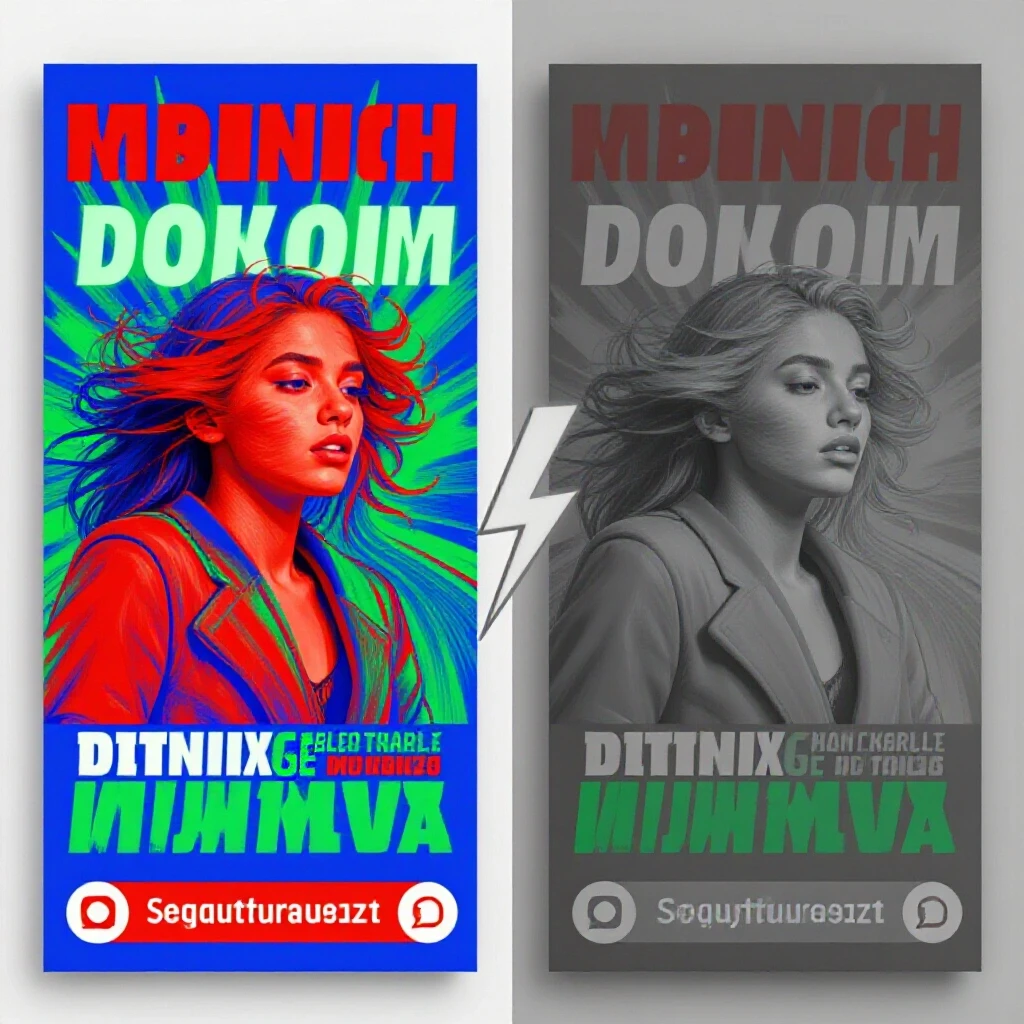
When I first started tracking these patterns, I managed a large e-commerce account that saw a 40% drop in ROI over just three weeks. We had changed nothing in our targeting or budget. After a deep dive into the data, I realized the problem was not the platform or the audience. It was creative burnout. The audience had seen the same image so many times that they simply stopped looking. In this guide, I will share how to identify these performance dips and the exact steps I use to restore campaign health on Instagram.
Identifying Visual Saturation in Modern Campaigns
Visual saturation occurs when your target audience sees your advertisements so frequently that they become part of the background noise. This leads to a sharp decline in clicks and conversions because the content no longer feels new or relevant.
In my experience, the first sign of this issue is not a drop in sales, but a rise in frequency. Frequency is a metric that tells you the average number of times each person has seen your ad. When I look at a diversified portfolio, I compare how different audiences react to repetitive content. On Instagram, users tend to have a shorter “memory” for ads than on LinkedIn, but they also have a lower tolerance for seeing the same thing twice.
I once worked with a client who insisted on running the same high-production video for six months. They felt the high cost of the video justified its long lifespan. However, our side-by-side testing showed that by month three, the cost per click had doubled. The audience was still there, but they were no longer listening. We had to shift our focus from “perfect” production to “varied” storytelling.
Why Audience Frequency Matters for Your Budget
Frequency is the “what” and “why” of campaign decay. It measures the density of your ad delivery within a specific group of people over a set period.
If your frequency is too high, you are essentially paying to annoy your potential customers. I generally start looking for a refresh plan when the frequency hits a 3.0 or higher within a 7-day window. This means the average person has seen your ad three times in one week. While some repetition is good for brand awareness, too much leads to diminishing returns.
Tracking the Relationship Between CPM and CTR
Cost Per Mille (CPM) represents the cost of 1,000 impressions, while Click-Through Rate (CTR) measures how many people actually clicked your ad.
When CTR drops while CPM stays the same or rises, you are facing a clear case of creative exhaustion. I use these two metrics as a “health check” for every campaign I oversee. If I see a 20% drop in CTR over two weeks, I know it is time to intervene.
| Platform Context | Primary Audience Age | Typical User Behavior | Content Shelf-Life |
|---|---|---|---|
| 18–44 | Visual discovery and scrolling | 2–4 weeks | |
| TikTok | 13–34 | High-speed entertainment consumption | 1–2 weeks |
| 25–55 | Professional networking and learning | 4–6 weeks | |
| 35–65+ | Community and family updates | 3–5 weeks |
The Strategic Framework for Refreshing Creative Assets
A refresh plan is a systematic approach to changing the visual and textual elements of your ads to regain audience interest and lower your costs.
Building a recovery plan requires more than just picking a new photo. It involves a fundamental shift in how you present your message. I have found that the most effective way to fight performance decay is to change the “hook” of the ad. If your first ad focused on a discount, your second should focus on a customer testimonial or a product benefit.
Interestingly, I have seen campaigns find new life simply by changing the format. If a static image is failing, moving that same message into a Reel or a Story placement often resets the engagement clock. This is because the user behavior on different parts of the platform varies significantly.
The “Stop, Swap, and Segment” Method
This three-step process is my go-to for managers who need to justify their spending to a board while showing immediate improvements in ROI.
- Stop: Pause the ads with the highest frequency and lowest CTR. Do not wait for the performance to hit zero.
- Swap: Introduce new creative assets that use different color palettes, headlines, or video lengths.
- Segment: Break your audience into smaller groups to ensure the same people aren’t seeing every version of your ad at once.
Balancing High-Production and Low-Fi Content
One common mistake I see is the belief that every ad needs to look like a Super Bowl commercial. In reality, “low-fi” content often performs better during a recovery phase.
During a cross-platform test I ran last year, we compared a professional studio shot with a simple photo taken on a smartphone. The smartphone photo had a 15% higher CTR. Why? Because it looked like a post from a friend rather than a polished advertisement. This “native” feel helps bypass the mental filters users have developed against traditional ads.
Data-Driven Benchmarks for Campaign Health
Benchmarks are standard measurements used to compare your results against industry averages or your own historical data to determine success.
To manage a portfolio effectively, you need to know what “good” looks like. These numbers vary by industry, but the trends are usually the same. When I am reviewing a client’s performance, I look at the organic-to-paid engagement ratio. If your paid ads are getting significantly less engagement than your organic posts, your creative is likely the problem.
In my decade of longitudinal tracking, I have noticed that the most successful managers do not just look at the final sale. They look at “micro-conversions,” like how long someone watched a video or if they saved the post. These are early indicators of whether your recovery plan is working.
Placement-Level Performance Metrics
Instagram offers several places to show ads, and each has its own “normal” performance level. You cannot compare a Story ad directly to a Feed ad without context.
- Feed Ads: Usually have higher CTRs but can suffer from fatigue faster because they are more intrusive.
- Stories: Often have lower CPMs, making them great for high-frequency brand awareness.
- Reels: Currently see the highest average watch times, which is a key signal for the platform’s recommendation engine.
| Placement Type | Baseline CTR | Avg. Video Watch Time | Best Use Case |
|---|---|---|---|
| Instagram Feed | 0.8% – 1.2% | 3–5 seconds | Direct Response |
| Instagram Stories | 0.4% – 0.7% | 2–3 seconds | Brand Awareness |
| Instagram Reels | 0.5% – 0.9% | 10+ seconds | Engagement & Reach |
Calculating Your True Return on Investment
ROI is the measure of how much profit you make compared to the amount of money you spent on your marketing efforts.
To get an objective view, I recommend using a 60/40 budget split. Allocate 60% of your budget to your “lead” or proven creative and 40% to testing new assets. This ensures that even while you are fighting performance decay, you are still generating consistent results. It also provides the data you need to justify your next budget request to your executive team.
Implementing a Systematic Testing Protocol
A testing protocol is a set of rules and steps used to compare two or more versions of an ad to see which one performs better.
I always tell my team that testing is not a one-time event; it is a permanent part of the job. When I encounter unexpected algorithm adjustments, I rely on A/B testing to find the new “path of least resistance.” This means testing one variable at a time—like the headline or the call-to-action button—to see what truly moves the needle.
One of the biggest rookie mistakes is changing five things at once. If you change the image, the text, and the audience simultaneously, you won’t know which change caused the improvement. I prefer to run “split tests” where the platform’s API ensures that two identical groups of people see different versions of the same ad.
Essential Tools for Unified Reporting
Managing a multi-channel portfolio requires tools that can pull data into one place. This helps you avoid the “fragmented audience” trap where you lose track of who is seeing what.
- Cross-Platform Dashboards: Use these to view your Instagram performance alongside your other channels to see if the fatigue is platform-specific.
- Audience Mapping Worksheets: These help you track which segments have been exposed to which creative sets.
- Automated Scheduling Tools: These allow you to pre-load your refresh assets so they go live the moment your frequency hits a certain threshold.
- Setup Verification Checklists: A simple list to ensure all tracking pixels and conversion parameters are working before you launch a recovery campaign.
Baseline Retention and Engagement Goals
When you launch your refreshed creative, you should look for specific signals within the first 48 hours.
- Video Retention: Aim for at least 25% of viewers reaching the midpoint of your video.
- Cost Per Click (CPC): Your new creative should ideally bring your CPC back down to your historical average or lower.
- Engagement Rate: Look for a 1-2% engagement rate (likes, comments, shares) to confirm the content is resonating.
Practical Steps for Immediate Recovery
If you are seeing a decline today, the first thing you should do is look at your creative age. Any ad that has been running for more than four weeks without a change is a candidate for a refresh. I have often found that even a simple color swap on a background can buy you another two weeks of solid performance.
Next, check your audience overlap. If you are running multiple ad sets to the same demographic, you are competing against yourself. This drives up your CPM and accelerates fatigue. I recommend merging smaller audiences into larger “broad” sets to give the platform’s delivery system more room to find new people who haven’t seen your ad yet.
Finally, be transparent with your stakeholders. When I have to explain a dip in performance to a client, I use the data. I show them the frequency charts and the CTR trends. I explain that the “recovery plan” is a standard part of the campaign lifecycle, not a failure of the strategy. This builds trust and gives you the breathing room to implement the necessary changes.
Checklist for a Successful Creative Pivot
- Identify ads with frequency above 3.0.
- Create three new visual variations (e.g., one video, one carousel, one static).
- Update the “hook” or first three seconds of your video content.
- Check that your landing page still matches the message of your new ads.
- Set a clear end date for the test phase to evaluate results.
Moving Toward a Sustainable Growth Model
The goal is not to find a “perfect” ad that runs forever. The goal is to build a system that anticipates decay and reacts before the ROI drops too far. By tracking these metrics weekly, you can stay ahead of the curve. This proactive approach is what separates a seasoned brand manager from someone who is simply reacting to the platform’s changes.
Frequently Asked Questions
How do I know if the drop in performance is due to the platform or my creative? If your CPM remains steady but your CTR and conversion rate are falling, the issue is almost always your creative. If your CPM is skyrocketing across all campaigns, it may be a platform-wide shift or increased seasonal competition.
How often should I realistically refresh my Instagram ads? For high-spend accounts, I recommend a creative refresh every 2 to 4 weeks. For smaller budgets, you can often go 6 to 8 weeks before seeing significant performance decay.
What is a “healthy” frequency for a conversion-focused campaign? I typically aim for a frequency between 1.5 and 2.5 per week. Once you pass 3.0, you will likely see your cost per result start to increase.
Should I stop an ad immediately if the ROI dips? Not necessarily. Look at the 7-day trend. If the ROI is down for one day, it could be a fluke. If it has been declining for five consecutive days while frequency rises, it is time to pivot.
Does changing the caption count as a creative refresh? It helps, but it is rarely enough on its own. Since Instagram is a visual platform, the image or video is what stops the scroll. A caption change should be paired with a visual change for the best results.
Can I reuse old ads that performed well six months ago? Yes. I often “recycle” high-performing assets after a long break. The audience has likely forgotten the ad, and it can feel fresh again to a new segment of users.
What is the best format for a recovery campaign? I have found that carousels and Reels are currently the most effective formats for “re-engaging” an audience that has stopped clicking on static Feed ads.
How does the Instagram algorithm decide who sees my ads? The system uses “retention signals.” If people stop scrolling to watch your video or click your link, the algorithm sees the ad as valuable and shows it to more people at a lower cost.
Is it better to target a broad audience or a niche one when fighting fatigue? Broad audiences often take longer to fatigue because there are more people for the system to reach. If a niche audience is saturated, moving to a broader targeting strategy is a common recovery tactic.
How do I explain these performance fluctuations to my boss or client? Use the “Market Saturation” analogy. Explain that even the best commercial needs a new version eventually to keep the audience’s attention. Show them the frequency data as proof that you have reached the limit of the current creative.
(This article was written by one of our staff writers, Jonathan Mercer. Visit our Meet the Team page to learn more about the author and their expertise.)