How to Manage LinkedIn Ad Fatigue for Better B2B Results (Guide)
Have you ever wondered why a B2B campaign that starts with a high click-through rate often hits a sudden, inexplicable wall after just three weeks? This is a common challenge for marketing managers who handle large budgets. In my ten years of tracking algorithm updates, I have seen that professional audiences respond to repetition differently than general consumers. They are not just scrolling for entertainment; they are looking for solutions, which changes how they process repeated information.
Early in my career, I managed a high-stakes campaign for a global logistics firm. We targeted Chief Supply Chain Officers with a very specific white paper. For the first ten days, our metrics were excellent. However, by day fifteen, our cost-per-lead doubled, and the comments on our posts turned from curious to frustrated. We hadn’t changed the targeting or the budget. The audience had simply reached a point of professional dismissal. They had seen the message, decided its value, and were now actively tuning it out. This experience taught me that professional networks require a different rhythm of content rotation.
Understanding Professional Audience Saturation
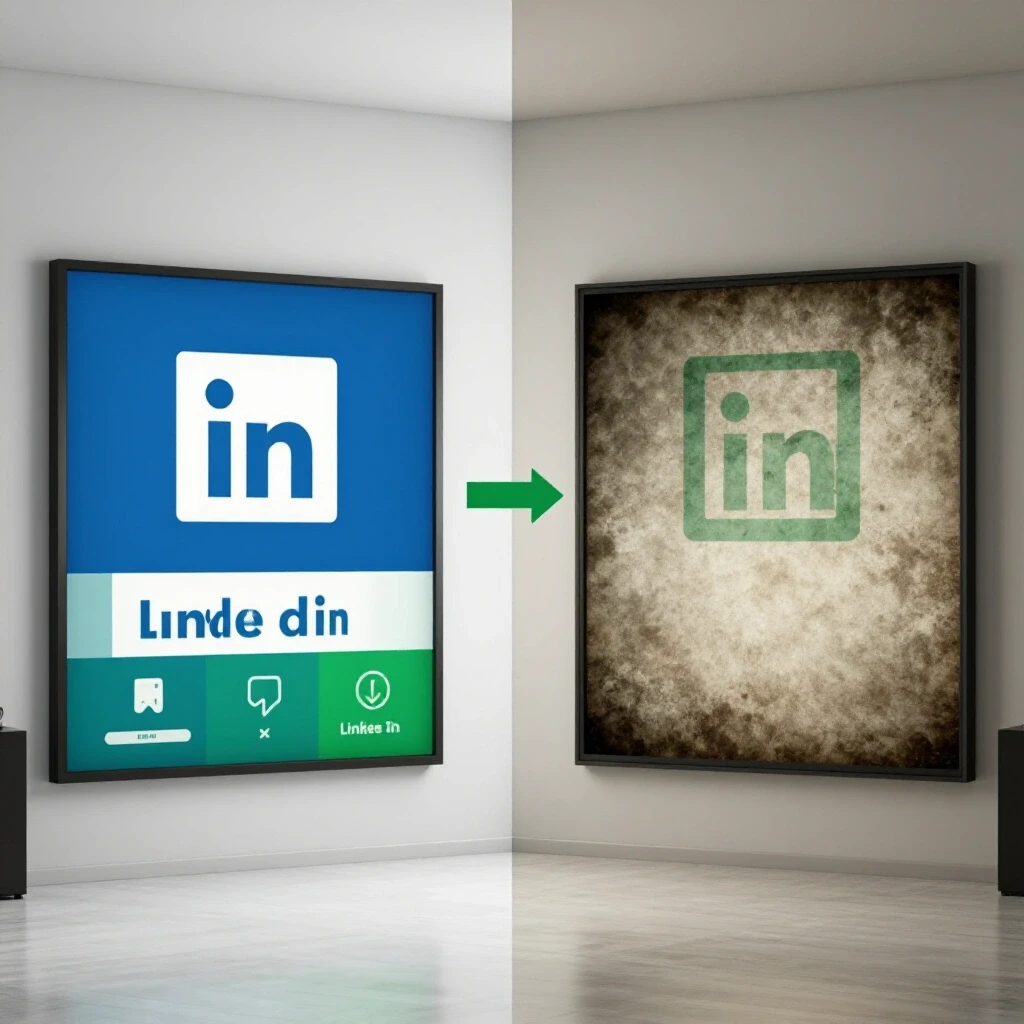
Professional audience saturation occurs when decision-makers encounter the same sponsored message so frequently that they stop engaging with it entirely. In a business context, users have limited time and high intent. When an ad fails to provide new utility upon the second or third viewing, the brain flags it as “processed,” leading to a sharp decline in performance.
This saturation is not just about seeing an image too many times. It is about the “mental shelf-life” of a professional offer. If I show a CFO a tax-saving strategy once, they might click. If I show it five times in three days, they may begin to view the brand as intrusive rather than helpful. My longitudinal tracking shows that on professional platforms, the decay in engagement is often steeper than on general networks because the “professional “mindset” is more protective of its attention.
| Seniority Level | Optimal Weekly Frequency | Expected CTR Decay (Week 4) |
|---|---|---|
| Entry Level | 3-4 times | 15% |
| Middle Management | 2-3 times | 25% |
| Director / VP | 1-2 times | 40% |
| C-Suite | 1 time | 55% |
The table above illustrates how seniority impacts the speed of message dismissal. Higher-level executives have less time and higher “relevance filters.” As a result, they reach a state of message fatigue much faster than junior employees. When you are planning a cross-platform marketing strategy, you must account for these varying levels of attention.
Why Conflicting Algorithms Complicate B2B Budgets
Algorithm-driven relevance is a system where the platform determines which ads to show based on predicted user value rather than just the highest bid. Professional networks prioritize content that sparks “meaningful professional conversations.” If an ad receives negative signals, such as being hidden or ignored, the algorithm increases the cost to serve that ad to maintain the user experience.
In my experience, many managers struggle because they apply the same budget rules to every channel. They see an algorithm update and panic. But the core of social channel optimization is understanding that professional algorithms are designed to protect the “feed quality.” If your frequency gets too high, the platform effectively “taxes” your budget by making your impressions more expensive.
I once worked with an agency founder who couldn’t understand why their “proven” creative was failing. We looked at the data and found that their frequency was at a 6.0 over a 7-day period. On a professional network, a frequency of 6 is often a death sentence for ROI. We shifted the strategy to a broader creative pool, and the costs stabilized. This is why a platform comparison analysis must look beyond just the CPC (Cost Per Click).
The Impact of Long Sales Cycles on Performance Metrics
A long sales cycle refers to the extended period it takes for a B2B buyer to move from initial awareness to a final purchase decision. Because these cycles can last six to eighteen months, the metrics we track in the first month are often misleading. Short-term engagement might drop, but long-term brand recall could still be climbing.
When we talk about cross-channel conversion parameters, we have to recognize that professional buyers need “refreshment” rather than “repetition.” If you show the same case study for six months, you are not nurturing a lead; you are annoying a prospect. I recommend a “Layered Content Approach” where the message evolves as the prospect moves through the funnel.
- Awareness Phase: Focus on industry insights and high-level trends.
- Consideration Phase: Use specific data points and ROI calculators.
- Decision Phase: Provide direct evidence of success and implementation guides.
By shifting the content, you prevent the audience from feeling like they are trapped in a loop. This keeps your platform-native ad placements fresh and maintains a healthy organic-to-paid engagement ratio.
Strategic Budget Splitting for High-Value Networks
Budget splitting is the process of allocating your total marketing spend across different campaign types to balance immediate lead generation with long-term brand health. A common mistake is putting 100% of the budget into direct-response ads. This leads to rapid saturation because the “ask” is always the same.
I generally advise a 60/40 split for professional platform budgets. 60% of the budget should go toward your primary lead generation channel—the ads that drive the most conversions. The remaining 40% should support secondary brand awareness. This secondary layer uses lower-pressure content that doesn’t “wear out” the audience as quickly.
- Analyze your historical lead quality by channel.
- Identify the “saturation point” where your CPL (Cost Per Lead) begins to spike.
- Allocate 40% of the budget to “educational” content that doesn’t have a direct CTA (Call to Action).
- Monitor the frequency of your “hard-sell” ads to ensure they stay below a 3.0 frequency per month.
This method allows you to stay top-of-mind without hitting the “repetition wall.” It also helps in justifying budgets to executive boards because you can show both immediate wins and a sustainable long-term strategy.
Analyzing Placement-Level Performance Trends
Placement-level performance refers to how an ad performs in different areas of a platform, such as the main newsfeed versus a private inbox. Not all placements are created equal. Some areas of a professional network are much more sensitive to frequent messaging than others.
For example, a message sent directly to an inbox is highly personal. If you send the same message twice, it feels like spam. However, a small display ad on the side of the page can be seen several times without causing the same level of irritation. This is a key part of audience demographic trends; more senior users are more protective of their inboxes but more tolerant of passive feed ads.
| Placement Type | Tolerance for Repetition | Best Use Case |
|---|---|---|
| Main Feed | Medium | Thought Leadership |
| Sponsored Messaging | Very Low | High-Value Invitations |
| Right-Rail Display | High | Retargeting / Awareness |
| Video Ads | Low | Product Demonstrations |
Interestingly, video ads on professional networks tend to have a shorter “freshness” window. If a user sees the first three seconds of a video and realizes they have seen it before, they will skip it immediately. This contributes to “organic reach decay,” where the algorithm stops showing your content because it assumes the audience is no longer interested.
Troubleshooting Metric Discrepancies Across Channels
Metric discrepancies occur when different tracking systems report different results for the same campaign. This is a major pain point for managers who must justify their spending. Often, a platform will claim 100 leads, but your CRM only shows 60. This usually happens because of “view-through conversions” or different attribution windows.
To solve this, I use a “Unified Report Card.” This is a template that pulls data from the platform API and matches it against actual business outcomes. We look for “platform-native retention signals”—things like how long someone watched a video or if they clicked “See More” on a long post. These signals are often better indicators of future fatigue than a simple click.
- Step 1: Set a standard attribution window (e.g., 7-day click, 1-day view).
- Step 2: Use UTM parameters for every single link to track the source accurately.
- Step 3: Compare the “Platform Lead” count to the “Qualified Lead” count in your CRM.
- Step 4: If the gap between clicks and conversions is growing, it is a sign the audience is seeing the ad but not finding it relevant anymore.
By focusing on these “real-world” metrics, you can provide a much more honest and effective report to your clients or board. You aren’t just reporting numbers; you are reporting the health of your relationship with the audience.
Practical Strategies for Asset Customization
Asset customization is the practice of tailoring your creative visuals and messaging to fit the specific expectations of a platform’s users. On a professional network, the “look and feel” of an ad should match the environment. High-gloss, “salesy” images often trigger an immediate “ignore” response.
I have found that “low-fidelity” assets—like a simple chart or a photo of a real person in an office—often perform better and last longer. They feel like organic content. This is a core part of social channel optimization. If your ad looks like a helpful post from a colleague, the audience is less likely to feel fatigued by it.
One project I managed involved a cybersecurity firm. We tested a polished 3D animation against a simple, hand-drawn diagram of a network hack. The hand-drawn diagram had a 50% higher CTR and stayed effective for twice as long. The audience perceived the simple diagram as “information” and the animation as “advertising.”
Unified Reporting and Reallocation Planning
Unified reporting is the final stage of your marketing process where you bring all your data together to make a decision about where to move your money. If one segment of your audience is showing signs of saturation, you need a plan to reallocate that budget to a fresh segment or a different placement.
I recommend a monthly “Reallocation Review.” During this meeting, you look at the frequency and CTR trends for every active campaign. If a campaign’s frequency has crossed 4.0 and the CTR has dropped by more than 20% from its peak, it is time to “retire” those assets and launch a new set.
- Identify Underperformers: Look for ads with rising CPC and falling engagement.
- Check Frequency: Is the ad being shown to the same people too many times?
- Rotate Creative: Swap out the image or the headline, but keep the core offer.
- Shift Budget: Move funds from saturated segments to “lookalike” audiences that haven’t seen the message yet.
This proactive approach prevents you from wasting money on an audience that has already made up its mind. It keeps your ROI high and your reporting clean.
Conclusion and Next Steps
Managing a professional marketing portfolio is a balancing act. You have to respect the audience’s time while still hitting your lead targets. The key is to watch for the subtle signs of message dismissal before they turn into a full-blown performance crash. By monitoring frequency, diversifying your creative, and using a 60/40 budget split, you can maintain a healthy presence on any professional network.
Your next steps should be practical. Start by auditing your current campaigns for frequency. If you see numbers above 3.0 for a single month, consider introducing new visuals. Then, set up a tracking system that connects your platform metrics directly to your CRM data. This will give you the objective proof you need to justify your budget decisions and ensure your marketing spend is always delivering the strongest possible return.
Frequently Asked Questions
What is the “sweet spot” for ad frequency on a professional network? For most B2B campaigns, a frequency of 1.5 to 2.5 per month is the sweet spot. This ensures your brand is remembered without becoming annoying. If you go above 4.0, you will likely see a significant drop in engagement and an increase in cost.
How do I know if my audience is fatigued or if the offer is just bad? Look at the first 7 days of the campaign. If the CTR was high initially and then dropped sharply as frequency rose, it is fatigue. If the CTR was low from the very beginning, the offer or the creative likely doesn’t resonate with the audience.
Does changing the headline help with message saturation? Yes, but only temporarily. The human brain processes images much faster than text. If the image remains the same, the user will often ignore the ad before they even read the new headline. Always try to change the visual element first.
Why are my C-suite leads so much more expensive? High-level executives are targeted by thousands of companies, creating intense competition. Additionally, they have a very low tolerance for repetitive messaging. To reach them, you must use high-value, low-frequency placements that offer immediate professional utility.
What is a “platform-native retention signal”? These are actions that show a user is actually consuming your content, not just clicking by accident. Examples include clicking “read more” on a text post, spending more than 10 seconds on a lead form, or watching at least 50% of a video.
Should I stop a campaign as soon as the CTR drops? Not necessarily. A small drop is normal as the “early adopters” in your audience click through. You should only worry if the drop is sustained over several days and is accompanied by a rising cost per lead.
How often should I refresh my creative assets? For high-spend campaigns, I recommend a creative refresh every 4 to 6 weeks. For lower-spend “evergreen” campaigns, you can often go 3 months before seeing significant performance decay.
What is the best way to justify a “Brand Awareness” budget to a skeptical board? Show them the “Assisted Conversion” data. Demonstrate how users who saw a brand ad were more likely to convert on a lead gen ad later. Explain that the brand ads “warm up” the audience, making the expensive lead gen ads more efficient.
Can I use the same ads for different job titles? It is better to customize. A “Manager” cares about efficiency and daily tasks, while a “VP” cares about strategy and bottom-line impact. Using the same ad for both will lead to faster saturation because the message will only be 50% relevant to the total group.
How does the algorithm handle ads that people “hide”? Hiding an ad is a “negative signal.” If a small percentage of your audience hides your ad, the algorithm will significantly increase your costs or stop showing the ad altogether to protect the user experience. This is the ultimate sign of audience fatigue.
(This article was written by one of our staff writers, Jonathan Mercer. Visit our Meet the Team page to learn more about the author and their expertise.)