How to Fix Social Media Backlash from Comment Strategies (Guide)
The first time I saw a brand’s reach drop by 70% in a single afternoon, I felt a knot in my stomach that every social media manager knows. We had launched a new way of talking to our community, thinking we were being clever and high-energy. Instead, the platform’s filters flagged our sudden surge in repetitive interactions as spam, and our audience felt we were being insincere. This experience taught me that the way a brand handles its comment section can either be its greatest asset or its fastest route to an algorithmic penalty.
In my 14 years of managing high-visibility accounts, I have seen many teams fall into the trap of prioritizing quantity over quality in their replies. When you manage a large brand, the pressure to “stay relevant” often leads to risky choices. These choices can trigger search suppression, commonly known as a shadowban, where your content stops appearing to people who don’t already follow you. Recovering from these moments requires a calm, data-backed approach rather than a panicked scramble to delete everything.
Diagnosing a Sudden Drop in Organic Visibility
A sudden decline in reach often signals that the platform’s distribution filters have flagged your account due to recent interaction patterns. This diagnosis involves comparing current reach velocity against your historical averages to see if the drop is a platform-wide trend or a specific penalty against your handle.
When I begin a root cause analysis, I first look at the “reach-to-impression” ratio. If your impressions from non-followers have vanished, you are likely facing a distribution filter. This often happens after a period of aggressive or misaligned interaction tactics. In one project, I managed a brand that tried to “hack” the algorithm by replying to every single comment with short, repetitive phrases. Within 48 hours, their reach velocity dropped by 65%. The platform saw the repetitive nature of the replies as automated behavior, even though it was a human doing the work.
To help you identify if you are in a similar situation, use this diagnostic checklist to see where your account stands.
Root Cause Diagnostic Checklist
- Reach Velocity: Has your non-follower reach dropped by more than 50% compared to your 30-day average?
- Engagement Variance: Is there a sharp spike in negative sentiment or “hide post” actions from users?
- Search Presence: Does your account handle appear in the top results when searched from a neutral, non-following account?
- Interaction Quality: Are your recent replies being flagged as “hidden” or moved to a secondary “more comments” folder by the platform?
- Policy Notifications: Have you received any warnings regarding “engagement bait” or “spam-like behavior” in your account status dashboard?
| Metric | Healthy Range | Penalty Indicator |
|---|---|---|
| Non-Follower Reach | 15% – 40% of total | Below 5% |
| Reply-to-Engagement Ratio | 1:10 (Natural) | 1:1 (Often flagged as spam) |
| Sentiment Index | +0.6 to +1.0 | Below 0.0 (Neutral to Negative) |
| Reach Restoration Time | N/A | 14 – 30 days (Typical) |
Pinpointing the Interaction Trigger and Algorithmic Penalty
Identifying the specific behavior that caused the setback is essential for a successful recovery plan. Algorithmic penalties are usually triggered by content moderation thresholds that detect patterns of low-value engagement or high volumes of user reports.
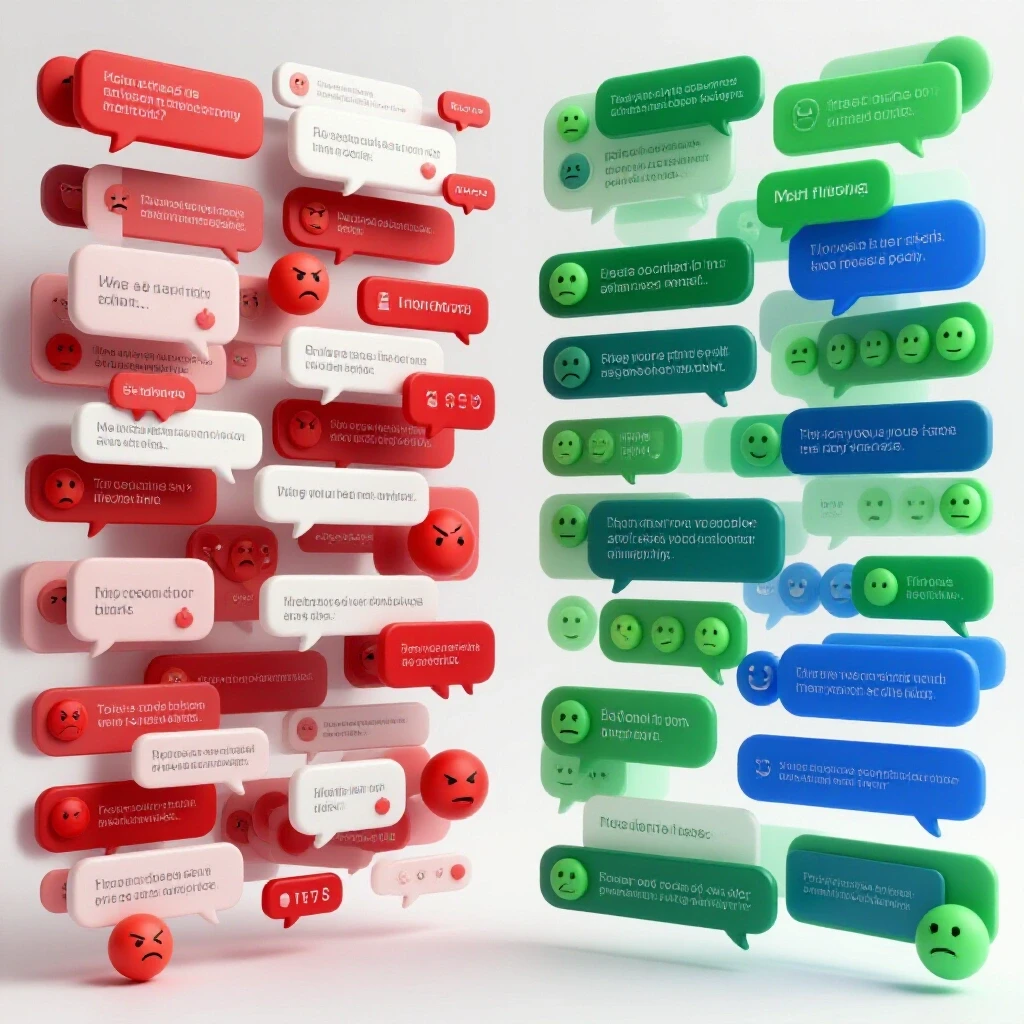
In my experience, brands often face backlash when their reply style feels “uncanny” or overly aggressive. I once worked with a client who adopted a “snarky” persona to mimic popular trends. While it worked for a week, they eventually crossed a line that led to a wave of user reports. These reports told the platform that the brand was no longer providing a “safe” or “positive” experience. As a result, the algorithm stopped recommending their content to new users. This is a classic case of audience crisis management where the fix isn’t just a new strategy, but a total reset of the brand’s digital tone.
Understanding Search Suppression and Throttling
Search suppression, or a shadowban, is when a platform limits your visibility without sending a formal notice. This happens because the platform’s brand safety validation protocols have flagged your account as a risk. Why does this happen? Usually, it is because of a high “report-to-view” ratio. If one out of every hundred people who see your comment decides to report it, the system will automatically throttle your reach to protect the broader community.
- Content Filtration Systems: These are automated tools that scan your replies for repetitive keywords or phrases that look like “bot” behavior.
- User Report Algorithms: When a cluster of users report your comments in a short window, it triggers a manual or high-level automated review.
- Sentiment Shift Indicators: Modern platforms track whether the conversation around your brand is turning toxic. If the sentiment index drops too low, your reach will often follow.
Communicating the Setback to Internal Stakeholders
Explaining a loss of traffic to upper management is one of the most stressful parts of being a brand protection specialist. It requires moving the conversation away from “what we did wrong” and toward “how we are fixing the data trends.”
When I present these metrics to leadership, I avoid using technical jargon like “shadowban.” Instead, I use the term “distribution throttling due to interaction misalignment.” I explain that the platform has temporarily paused our growth because our recent engagement tactics did not meet the “quality score” required for broad distribution. This frames the issue as a technical hurdle that can be cleared with a methodical, data-driven recovery campaign.
Presenting the Recovery Roadmap
I find it helpful to use a timeline to manage expectations. Recovery is never instant. It usually takes two to four weeks of “clean” behavior to prove to the algorithm that your account is back on track.
- Phase 1: Impact Assessment (Days 1-3). Document the reach loss and identify the offending interaction patterns.
- Phase 2: Risk Containment (Days 4-7). Pause all high-risk engagement and shift to a “listen-only” or “minimalist” reply strategy.
- Phase 3: Baseline Rehabilitation (Days 8-21). Post high-quality, safe content and only engage in meaningful, long-form conversations.
- Phase 4: Reach Restoration (Days 22+). Monitor for a return of non-follower reach and slowly re-introduce more creative interaction styles.
The Community Recovery Sequence: Restoring Trust
Restoring your account’s reach requires a two-pronged approach: you must satisfy the algorithm and win back your audience. If your previous interaction style caused a backlash, simply stopping isn’t enough. You need to demonstrate a shift in your community management philosophy.
During a recovery campaign for a major retail brand, we realized our mistake was using automated-sounding replies to customer complaints. The audience felt ignored, and the algorithm flagged us for repetitive content. We pivoted to a “Human-First” policy. We limited our replies to only the top 10% of comments but made sure each one was unique, helpful, and over 15 words long. This signaled to the platform that we were providing value, not just noise.
Strategies for Engagement Drop Resolution
- Quality over Velocity: Stop trying to reply to every comment. Focus on five high-quality interactions per day that spark positive secondary conversations.
- Sentiment Anchoring: Pin a positive, helpful comment at the top of your posts to set the tone for the rest of the community.
- Keyword Auditing: Check your recent replies for any “trigger words” that might be flagged by automated moderation systems.
- The 24-Hour Cooling Period: If you notice a post is attracting high levels of negative sentiment, stop replying entirely for 24 hours to let the heat die down.
Implementing Long-Term Account Audits and Monitoring
Once you have restored your reach, the goal is to ensure you never trigger another penalty. This requires setting up a brand protection database where you track your engagement metrics and sentiment scores weekly.
I recommend using sentiment monitoring software that gives you a daily “health score.” If you see your score dipping toward the neutral or negative zone, it is an early warning sign to adjust your interaction tactics before the algorithm notices. In my 14 years of experience, the most resilient brands are the ones that are willing to slow down when the data suggests they are moving in a risky direction.
Tools for Brand Protection and Recovery
- Sentiment Tracking Software: Tools that categorize comments into positive, neutral, and negative buckets to provide a real-time sentiment index.
- Reach Analysis Dashboards: Custom spreadsheets or third-party tools that track “reach by source” (Home, Explore, Search).
- Community Management Hubs: Platforms that allow for manual approval of replies to ensure no “spammy” or repetitive content is published.
- Competitor Benchmarking Tools: To see if a drop in engagement is a platform-wide trend or specific to your account.
Trust Recovery Phase Timeline
| Phase | Action | Goal | Metric to Watch |
|---|---|---|---|
| Week 1 | Stop all automated or repetitive replies. | Stop the bleeding. | Report-to-view ratio. |
| Week 2 | Post “Safe” content (Educational/Value-driven). | Reset the quality score. | Average watch time/Read time. |
| Week 3 | Meaningful 1-on-1 engagement only. | Signal human behavior. | Non-follower reach (Explore). |
| Week 4 | Gradual return to standard posting. | Confirm restoration. | Impression-to-reach ratio. |
Practical Tips for Busy Operations Specialists
Managing an account in crisis is exhausting. To keep your head clear, remember that the algorithm is not a person; it is a mathematical model. It doesn’t hate your brand; it is simply reacting to data points. Your job is to provide new, better data points.
Avoid the “Rookie Mistake” of deleting the account and starting over. This loses years of data and authority. Instead, focus on the “Baseline Rehabilitation Period.” Most platforms will refresh your “account health” score every 30 days. If you can stay within the guidelines for a full month, you will likely see your reach return to normal. Also, stay away from “engagement pods” or buying likes to “jumpstart” the recovery. These tactics are easily detected and will often result in a permanent ban.
Key Takeaways for Recovery
- Diagnose first: Use reach-to-impression data to confirm a penalty before changing your strategy.
- Silence is okay: Pausing interactions for a few days is better than continuing a strategy that is causing backlash.
- Communicate with data: Use timelines and “quality scores” to explain the situation to leadership.
- Rebuild slowly: Reach restoration is a marathon, not a sprint. Expect a 14-30 day window for significant improvement.
Conclusion
Recovering from a mismanaged interaction strategy is a masterclass in patience and data analysis. By identifying the root cause of your reach drop, communicating the recovery steps clearly to your team, and implementing a high-quality engagement policy, you can restore your brand’s digital health. The goal isn’t just to get back to where you were, but to build a more resilient community management framework that protects your brand from future setbacks. Start by auditing your last 50 replies today—if they look like they were written by a machine, it’s time to start your recovery sequence.
FAQ: Navigating Reach Drops and Interaction Setbacks
How do I know if my reach drop is a shadowban or just a bad post? A bad post will have low engagement overall, but a shadowban (search suppression) specifically cuts off your reach to people who do not follow you. Check your insights: if your “Reach from Explore” or “Reach from Non-Followers” has dropped to near zero while your followers can still see your posts, you are likely facing an algorithmic penalty.
How long does it take to recover from an algorithmic penalty? Most platforms have a “rehabilitation period” that lasts between 14 and 30 days. During this time, the system monitors your account for consistent, high-quality behavior. If you avoid further violations, your reach typically begins to normalize after this window.
Should I delete the comments that caused the backlash? If the comments violate platform guidelines or are causing a high volume of user reports, it is usually best to remove them. However, mass-deleting thousands of comments at once can sometimes trigger spam filters. It is better to remove the most problematic ones and then pivot your strategy moving forward.
Can I appeal a reach restriction? Most platforms do not have a direct “appeal” button for reach restrictions since they aren’t formal bans. However, you can use the “Report a Problem” or “Account Status” features to ask for a review if you believe your account has been flagged in error.
Does “Engagement Bait” really hurt my account? Yes. Modern algorithms are very good at identifying phrases like “Tag a friend who…” or “Comment ‘YES’ if you agree.” These tactics are often flagged as low-quality content, which can lead to a long-term reduction in your organic distribution.
Will switching to a personal account and back to a business account reset my reach? No. This is a common myth. In fact, frequently switching account types can sometimes flag your account for “suspicious activity.” It is better to fix the underlying content and interaction issues on your current account.
What is a “Sentiment Index” and how do I track it? A sentiment index is a score (usually from -1 to +1) that measures the emotional tone of your comment section. You can track this using social listening tools or by manually auditing a sample of comments to see if the majority are positive, negative, or neutral.
How many reports does it take to trigger a penalty? There is no magic number, as platforms look at the “report-to-view” ratio. A small account might be flagged after 10 reports, while a large brand might need hundreds. The key is the velocity and consistency of those reports.
Can “over-engaging” be a mistake? Yes. If you reply to dozens of comments per minute with very similar text, the platform’s spam filters will likely flag your account. It is better to engage in fewer, more meaningful conversations than to try to respond to everyone with a generic “Thanks!”
What should I tell my boss if our reach doesn’t come back after a week? Explain that platform recovery is a data-driven process that requires a “clean” window of 14-30 days. Show them the “Trust Recovery Phase Timeline” and explain that the algorithm needs time to verify that the brand’s interaction style has permanently improved.
(This article was written by one of our staff writers, Andrew Collins. Visit our Meet the Team page to learn more about the author and their expertise.)