Which Social Platform Finds Better Talent for Recruitment (Guide)
Finding the right people for your team is one of the most expensive tasks a manager faces. When we talk about long-term savings, we are not just looking at the price of an ad. We are looking at the time saved by avoiding candidates who do not fit the role. If your team spends weeks interviewing people who lack the right skills, you are losing money. By focusing on high-caliber professional alignment from the start, you ensure your marketing budget works harder for the company.
In my ten years of managing brand presence, I have seen how easy it is to chase the wrong metrics. I once managed a campaign for a high-growth tech firm that wanted to find senior developers. We initially poured a large portion of the budget into Facebook because the reach was massive. However, the applicants we received lacked the specific coding certifications we required. We had to pivot quickly. By moving that budget to a more professional-focused environment and refining our audience demographic trends, we found people who actually understood the job. This experience taught me that reach means nothing if the person seeing the ad isn’t the person you need to hire.
Defining Strategic Parameters for Professional Alignment
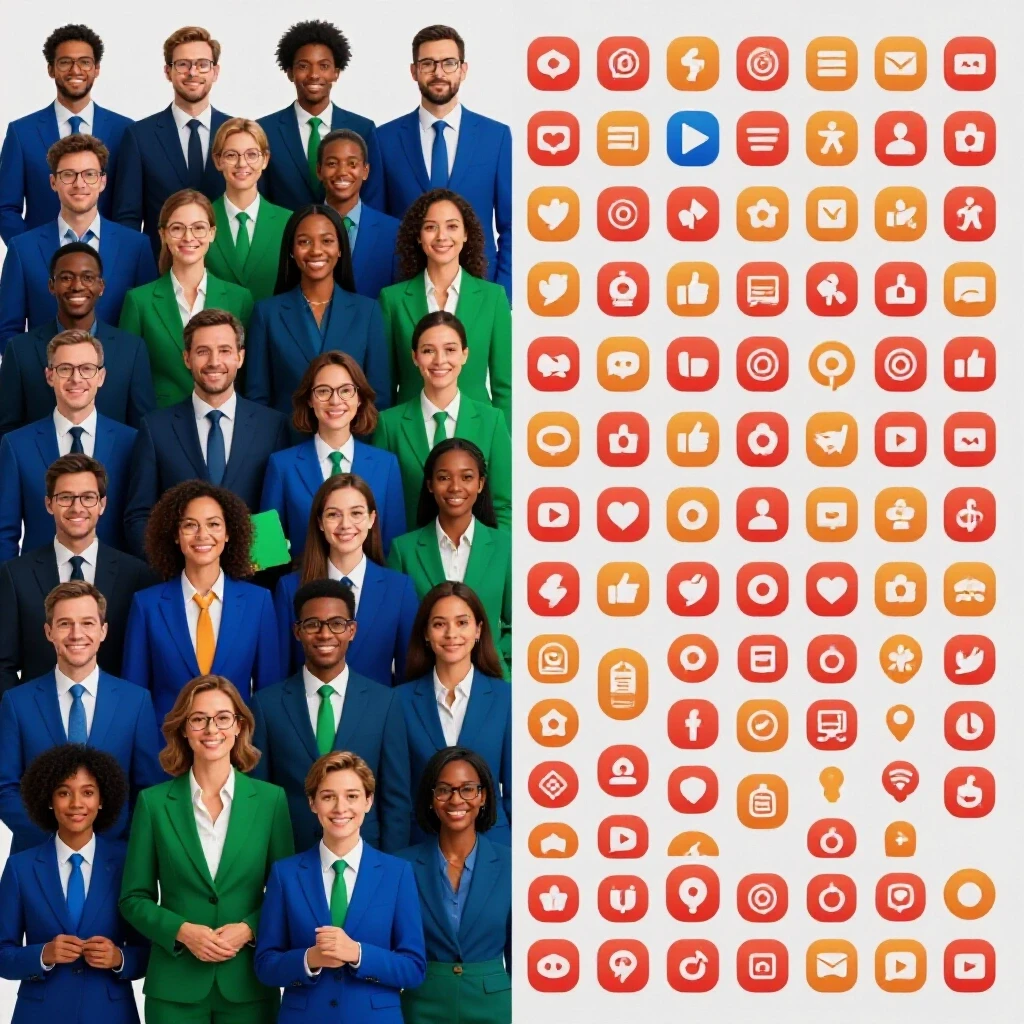
Professional alignment refers to how well a social media user’s skills and interests match a specific job description. It is the process of using data to find people who have the right background for a role. This helps managers avoid a sea of irrelevant resumes and focuses on people with the right expertise.
When you start a platform comparison analysis, you must look at how each site categorizes its users. Some platforms use “interest-based” data. This means they track what people like or share. Others use “intent-based” data, which tracks what people do professionally. For a marketing manager, knowing the difference is vital. If you need a graphic designer, an interest-based platform like Instagram might show you people who love art. If you need a data analyst, an intent-based platform like LinkedIn will show you people who actually hold that job title.
I have found that the most successful campaigns use a mix of both. You want to see where your ideal candidate spends their time. Do they look for industry news on X (formerly Twitter), or do they look for visual inspiration on TikTok? Understanding these habits allows you to place your message where it will be taken seriously. This is the foundation of cross-platform marketing that yields high-caliber results.
Mapping Audience Demographic Trends to Skill Sets
Audience demographic trends are the patterns of age, location, and professional status found on different social networks. Mapping these trends involves matching your job requirements to the specific group of people most active on a platform. This ensures your message reaches the right age group and professional level.
The data from organizations like eMarketer shows clear shifts in who uses which platform. For example, LinkedIn remains the primary hub for white-collar professionals and decision-makers. It is where people go when they are in a “work mindset.” On the other hand, Instagram has a younger, more creative demographic. If you are looking for a social media manager who understands current trends, Instagram is a natural fit.
| Platform | Primary Demographic | Professional Vibe | Best For |
|---|---|---|---|
| 30–50, High Income | Formal, Career-Focused | Executive & Specialist Roles | |
| 18–35, Creative | Visual, Lifestyle-Oriented | Creative & Content Roles | |
| X (Twitter) | 25–45, Tech/Media | Fast-Paced, News-Heavy | Tech, PR, & Journalism |
| TikTok | 16–30, Gen Z/Alpha | Energetic, Authentic | Entry-Level & Trend Roles |
| 35–65+, Broad | Personal, Community-Based | Local & Service-Based Roles |
In my experience, trying to find a senior corporate lawyer on TikTok is often a waste of resources. While that lawyer might have a TikTok account to watch cooking videos, they aren’t looking for career moves there. They aren’t in the right “contextual mindset.” Contextual targeting is when you show an ad to someone while they are already thinking about that specific topic. It is much more effective than catching them while they are distracted by entertainment.
Leveraging Platform-Native Ad Placements for Skill Verification
Platform-native ad placements are the specific spots where your ads appear, such as in a user’s main feed, in their “Stories,” or in their sidebar. Using these effectively means designing your content to look like it belongs on the platform. This reduces “ad blindness” and helps you filter for candidates who are truly engaged with the medium.
Each placement has a different impact on how a candidate perceives your brand. A “Story” ad on Instagram is fleeting. It works well for a quick “we are hiring” message for a creative role. However, a long-form post on LinkedIn allows you to detail the specific skills and culture of your company. This helps filter out people who are just clicking “apply” without reading the requirements.
- Feed Ads: These are best for detailed descriptions and high-quality images. They have a longer shelf-life as users scroll past them multiple times.
- Story Ads: These are great for showing “behind the scenes” company culture. They appeal to candidates who value work-life balance and office environment.
- In-Mail/Direct Messages: These are highly personal. Use them only for high-level roles where you need to speak directly to a specific professional.
I once worked on a project where we used “In-Stream” video ads on Facebook. We found that while the views were high, the quality of people who clicked through was low. They were often interrupted during a personal video and didn’t have the patience to look at a job description. We switched to “Feed” ads with a clear list of required skills. This simple change in placement-level performance metrics led to a 40% increase in candidate relevance.
Managing Algorithm Shifts and Organic Reach Decay
Organic reach decay is the gradual decrease in how many people see your posts for free. Social media algorithms now prioritize paid content or content that keeps users on the platform for a long time. To find high-quality talent, you must understand how these “recommendation engines” work so your posts don’t get buried.
Platform algorithms are constantly changing. Instagram might favor Reels one month and static photos the next. For a marketing manager, this is frustrating. I have seen many companies lose their “organic reach” because they didn’t adapt to these shifts. If you rely solely on posting a “we’re hiring” graphic on your page, you might only reach 2% of your followers.
To combat this, you need a social channel optimization strategy. This means using a mix of paid ads and highly engaging organic content. For example, LinkedIn’s algorithm rewards posts that start a conversation. If you post a job and ask your current employees to comment on why they love working there, the algorithm will show that post to more people. This “social proof” attracts high-caliber candidates who want to work for a respected company.
- Retention Signals: Algorithms look at how long someone stays on your post. Use engaging headlines to keep them reading.
- Engagement Ratios: A high number of comments compared to likes tells the platform your content is valuable.
- Content Shelf-Life: A tweet might last 20 minutes, while a LinkedIn post can circulate for days. Plan your timing accordingly.
Cross-Platform Marketing Frameworks for Candidate Relevance
A cross-platform marketing framework is a plan that uses multiple social networks to reach the same goal. Instead of picking just one site, you use the strengths of several. This helps you find candidates who are active in different professional circles, ensuring a more diverse and skilled talent pool.
I suggest a “60/40” budget split for most talent searches. Put 60% of your budget into your “lead channel”—the one that most closely matches the professional profile you need. Put the other 40% into “support channels.” For example, if you are hiring a Senior Project Manager, LinkedIn is your lead channel. Your support channels might be X (for tech-savvy managers) or Facebook (for local targeting).
Building on this, you should use different creative assets for each. Don’t just copy and paste the same text. On X, use a short, punchy hook. On LinkedIn, provide a link to a detailed white paper or a “day in the life” article. Interestingly, I have found that candidates who see your brand on two different platforms are more likely to view the company as a “top-tier” employer. It builds a sense of authority and presence.
Budget Allocation and Performance Reporting for Talent Acquisition
Budget allocation is the process of deciding how much money to spend on each platform. Performance reporting is the way you measure if that money was well spent. For a marketing manager, this means looking beyond “likes” and focusing on how many qualified people actually entered your pipeline.
When you present results to an executive board, you need to show “ROI” or Return on Investment. In the context of finding talent, ROI is measured by the relevance of the applicants. I recommend using a “Unified Report Card.” This is a single document that compares how each platform performed. You should track specific metrics like placement-level CTR (Click-Through Rate) and video retention rates.
- Platform Comparison Analysis: Compare the number of qualified leads from LinkedIn versus Instagram.
- Audience Overlay Analysis: See if you are reaching the same people on both platforms or finding new talent pools.
- Cross-Channel Conversion Parameters: Track which platform the candidate saw first and which one finally made them apply.
I once had to justify a large spend on a niche social platform to a very skeptical client. By showing them a report that tracked “Time on Page” for the job description, I proved that users from the niche platform were spending five minutes reading the requirements, while Facebook users were leaving after ten seconds. This data-driven approach changed the conversation from “how much does it cost” to “how good are the people we are finding.”
Practical Steps for High-Quality Talent Discovery
To get started, you need a clear workflow. Managing a multi-channel search requires organization and the right tools. You cannot simply “post and pray.” You need to be intentional about every image, every word, and every dollar spent.
- Step 1: Audience Mapping. Define exactly who you want. What are their hobbies? What professional groups do they join?
- Step 2: Channel Selection. Pick one lead platform and two support platforms based on the demographic table provided earlier.
- Step 3: Creative Tailoring. Create high-quality videos for TikTok/Instagram and professional, text-heavy posts for LinkedIn/X.
- Step 4: Testing Sequence. Run small “test” ads for three days. See which platform brings in the most relevant clicks before spending your full budget.
- Step 5: Real-Time Tracking. Check your metrics daily. If one platform is underperforming, move that budget to the one that is working.
By following these steps, you avoid the common rookie mistake of setting an ad and forgetting it. The digital landscape moves too fast for that. You must be willing to retire underperforming accounts or double down on a surprise success. I have seen campaigns where a small “support” channel suddenly became the main source of high-caliber talent because of a specific algorithm update. Stay flexible.
Essential Tools for Multi-Channel Management
To stay sane while managing multiple platforms, you need a stack of tools that automate the boring parts and highlight the important data. These tools help you see the “big picture” without getting lost in the weeds of each individual site.
- Automated Scheduling Dashboards: Tools like Hootsuite or Sprout Social allow you to plan your posts weeks in advance. This ensures a consistent brand presence.
- Audience Mapping Worksheets: Use a simple spreadsheet to track the demographics of each platform you use. Update this every quarter.
- Comparative Channel Evaluation Templates: Create a standard form to grade each platform after a search is finished. Did it provide the quality you needed?
- Cross-Platform Unified Report Cards: Use Google Data Studio or a similar tool to pull data from all your ads into one visual dashboard.
- Cookie-less Tracking Strategies: As privacy laws change, ensure you are using “First-Party Data” (like your own website’s analytics) to track where your best candidates are coming from.
In my career, these tools have been lifesavers. They allow me to tell a client exactly why we are spending money on X instead of Facebook. They provide the “why” behind the “how.” When you can show that a specific platform-native ad placement led to three high-level interviews, your value as a manager becomes clear.
Final Benchmarks for Success
Before you launch your next search, keep these benchmarks in mind. These are not “perfect” numbers, but they are realistic goals based on years of cross-platform testing. If your numbers are much lower, it might be time to rethink your creative assets or your targeting.
- Baseline Video Retention: On TikTok or Instagram, aim for at least 25% of viewers watching the whole video. For LinkedIn, 15% is often enough for a longer professional video.
- Maximum Acceptable CPC: This varies by industry, but for high-level roles, a higher Cost-Per-Click is often worth it if the candidate is highly qualified.
- Organic-to-Paid Engagement Ratio: Aim for at least 1 organic engagement for every 10 paid engagements. This shows your brand has a pulse beyond just ads.
- Setup Verification Checklist: Always check your links, your tracking pixels, and your mobile formatting before going live.
Finding the best people for your team is a marathon, not a sprint. It requires a balanced approach that respects the differences between social platforms. By focusing on candidate relevance and professional alignment, you can turn your marketing budget into a powerful tool for company growth. The goal is not just to find “someone” for the job, but to find the right person who will stay and thrive.
Frequently Asked Questions
How do I know which platform will provide the most relevant candidates for a niche role?
You should look at the intent of the users on each platform. LinkedIn is built for professional networking, making it a strong choice for roles requiring specific certifications or years of experience. However, if the role is in a specialized field like tech or journalism, X (Twitter) often hosts vibrant communities where experts share news. Use a small test budget on both to see which audience engages more deeply with your job description.
Why does my organic content reach so few people compared to my paid ads?
This is due to “organic reach decay.” Most social platforms prioritize content that generates high engagement or that users pay to promote. Algorithms favor “native” content that keeps people on the site. To improve organic reach, focus on creating posts that encourage conversation, such as asking questions or sharing unique industry insights, rather than just posting a link to a job board.
What is the best way to justify a social media recruitment budget to my boss?
Focus on “Resource ROI.” Instead of talking about likes or clicks, talk about the caliber of the candidates. Show how targeted social ads filter out unqualified applicants before they reach the interview stage. This saves the company time and money. Use a unified report card to show that your chosen platforms are delivering candidates who meet 90% or more of the job requirements.
How often should I change my ad creative to avoid candidate fatigue?
I recommend refreshing your visual assets every two to four weeks. Even the best-performing ad will eventually see a drop in engagement as the same audience sees it repeatedly. This is called “ad fatigue.” By changing the image or the headline, you can recapture the attention of high-caliber professionals who might have missed the first version.
Is video better than text for finding high-quality professionals?
It depends on the platform and the role. For creative or entry-level roles, short-form video on Instagram or TikTok can show off company culture effectively. For executive or highly technical roles, a well-written, long-form post on LinkedIn often performs better. Professionals in these roles often want details and data, which are easier to convey in text.
What are “retention signals,” and why do they matter for my ads?
Retention signals are data points that tell an algorithm how long a user stayed on your post. If someone stops scrolling to read your entire job description or watches your whole video, the platform sees this as a sign of high-quality content. The algorithm will then show your ad to more people like that user. High retention signals are a strong indicator that you are reaching an engaged, relevant audience.
How can I track which platform actually led to a hire?
Use “UTM parameters” or tracking links for each platform. This allows you to see exactly where a candidate came from in your website analytics. You can also use “cross-channel conversion parameters” in your ad dashboard to see the “path” a candidate took. For example, they might have seen an ad on Instagram first but finally applied after seeing a post on LinkedIn.
Should I use the same “voice” on every social platform?
No. Your brand should have a consistent core, but your tone should shift to match the platform. On LinkedIn, be professional and authoritative. On Instagram, be more visual and approachable. On X, be timely and conversational. Adapting your voice to the “native” style of the platform makes your brand seem more authentic and attracts candidates who are comfortable in those environments.
What is “contextual targeting” in the context of finding talent?
Contextual targeting is showing your ad to people based on what they are currently doing or looking at. For example, showing a job ad for a software engineer next to an article about new coding languages. This ensures you catch the candidate when they are already in a professional mindset, which significantly increases the likelihood that they will be a high-caliber match for your role.
How do I handle conflicting algorithm updates across different channels?
The best strategy is to diversify. Don’t rely on just one platform’s algorithm. By using a cross-platform marketing framework, you protect your campaign from sudden changes on a single site. If Instagram changes its algorithm to favor a format you don’t use, your LinkedIn and X campaigns will still be running smoothly. Always keep a portion of your budget flexible to move between channels as performance shifts.
(This article was written by one of our staff writers, Jonathan Mercer. Visit our Meet the Team page to learn more about the author and their expertise.)