How to Detect and Recover From False Social Media Growth (Guide)
I once managed a high-visibility lifestyle brand that saw its follower count jump by 50,000 in a single weekend. At the time, I celebrated. I reported the “success” to the board, thinking our latest campaign had finally cracked the code. However, within ten days, our organic reach plummeted by 85%. Our posts, which usually garnered hundreds of comments, were met with silence. I had mistaken a surge of low-quality, mismatched accounts for genuine brand interest. This oversight led to a severe algorithmic penalty that took me six months to fix. It was a painful lesson in how deceptive metric spikes can mask deep structural damage to an account’s health.

Why Sudden Reach Drops Strike Brands—And How to Formulate a Root Cause Recovery Plan
Understanding why your visibility has vanished is the first step in fixing the problem. This involves a deep look at platform policies, content quality, and recent audience behavior.
When a brand experiences a sudden engagement drop resolution crisis, the instinct is to panic-post. I’ve learned that this is the worst move. Instead, you need to conduct a root cause analysis. A reach drop is rarely random. It is usually a signal from the platform’s safety systems that your account’s “quality score” has dipped. This score is an internal metric platforms use to decide how much of your content to show to non-followers. If you have a sudden influx of accounts that don’t interact with your content, the algorithm assumes your posts are no longer relevant.
To start your algorithmic penalty diagnosis, you must look at your “reach velocity.” This is the speed at which your content spreads among your followers versus the general public. If your follower reach is stable but your “non-follower” reach has hit zero, you are likely facing search suppression.
Root Cause Diagnostic Checklist
| Symptom | Potential Cause | Immediate Action |
|---|---|---|
| Reach drops by >70% overnight | Formal platform penalty or shadowban | Check “Account Status” in settings |
| High reach but 0% conversion | Inauthentic audience expansion | Audit recent follower sources |
| Slow, steady decline over 3 months | Content fatigue or niche shift | Refresh creative strategy |
| Negative comments spike | Public relations setback | Activate crisis management plan |
Identifying the Signs of Inauthentic Audience Expansion
Hollow growth occurs when your follower numbers climb but your community value stays flat or decreases. This often leads to long-term visibility issues and platform distrust.
In my 14 years of operations, I’ve seen brands get excited about “viral” moments that actually hurt them. If you gain 10,000 followers from a giveaway but those people only care about the prize, they won’t engage with your brand later. This creates a “dead” follower base. The algorithm sees that 99% of your followers are ignoring your posts, so it stops showing your content to new people. This is a classic case of a social media shadowban triggered by poor audience quality rather than a specific policy break.
To spot this early, I monitor the “engagement variance threshold.” If your follower count grows by 10% but your average likes and comments stay the same, your growth is hollow. You are essentially diluting your own influence.
Metrics to Monitor for Account Health
- Follower-to-Interaction Ratio: If this drops below 1% on platforms like Instagram or LinkedIn, your account health is at risk.
- Reach-to-Follower Percentage: Ideally, at least 10-15% of your followers should see every post organically.
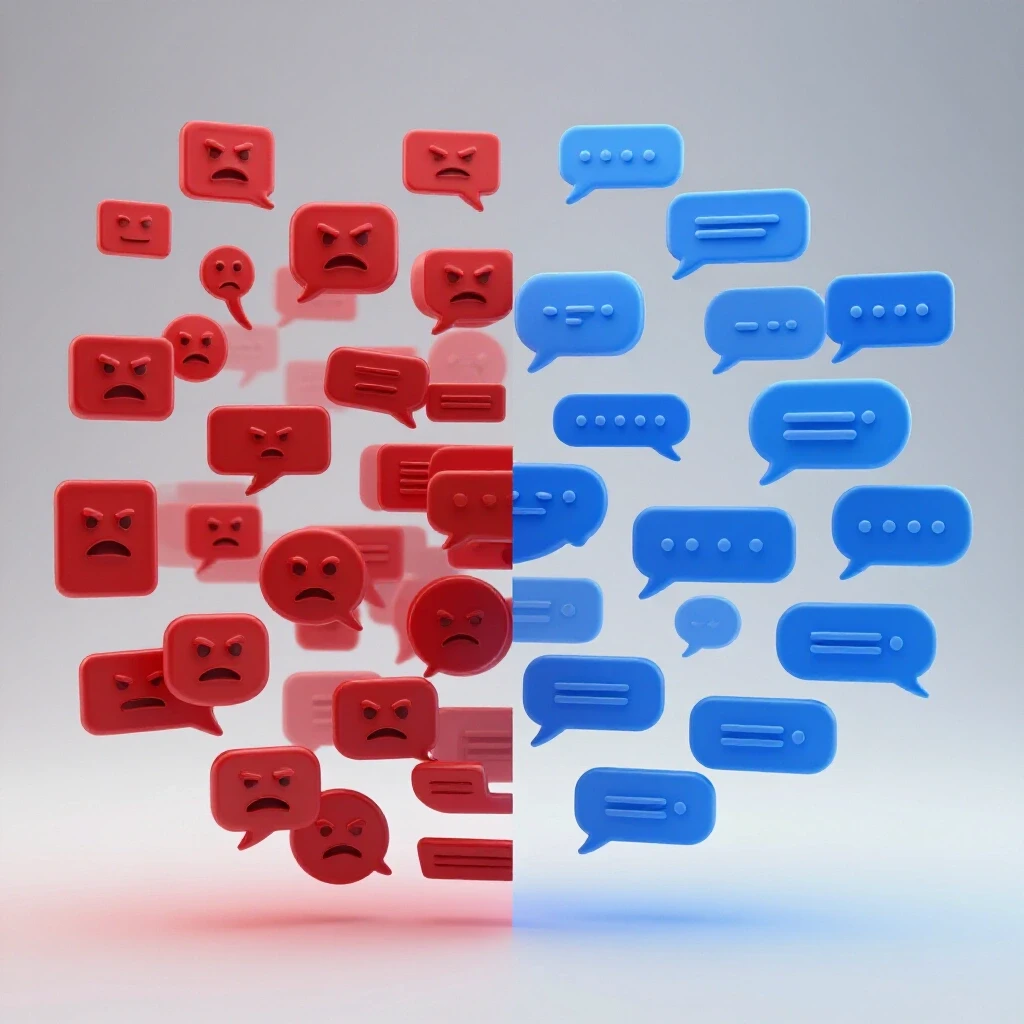
- Sentiment Index: Use tools to track if the “mood” of your comments is shifting from supportive to transactional or angry.
Navigating the Social Media Shadowban and Search Suppression
Search suppression is a technical state where a platform hides your content from discovery pages and hashtag feeds. It is often a “soft” penalty used to protect the community from low-quality content.
A social media shadowban is rarely a binary “on or off” switch. It is more like a dimmer move. I once worked with a brand that accidentally used a “banned” hashtag related to a sensitive news event. Within an hour, our content stopped appearing in the “Explore” tab. We weren’t notified; we just saw our reach vanish. This is why audience reach recovery starts with a technical audit. You must check if your account has been flagged for “Sensitive Content” or “Recommendation Eligibility.”
Most platforms now have an “Account Status” tool. If this shows a green checkmark but your reach is still low, the issue is likely “engagement-based suppression.” This means the algorithm has decided your content is “boring” or “irrelevant” to your current audience.
Shadowban Verification Matrix
- Hashtag Test: Post a unique, brand-specific hashtag. Search for it from an account that doesn’t follow you. If your post doesn’t show up, you are suppressed.
- Discovery Tab Check: Look at your “Reach” breakdown. If “Explore” or “For You” is 0%, your discovery access is revoked.
- Searchability: Type your exact username into the search bar from a new account. If you don’t appear in the top three results, your account authority is low.
Managing Stakeholder Expectations During an Audience Crisis
Communicating a reach crisis to leadership requires data and a clear timeline. It is about shifting the focus from vanity metrics to long-term account stability.
One of the hardest parts of my job is explaining to a CEO why our numbers are down. They see the “red” on the spreadsheet and want immediate answers. I’ve found that being honest about the “recovery period” is vital. You cannot fix a damaged account in 24 hours. I usually tell stakeholders to expect a 30-to-90-day rehabilitation period. This is the time it takes to “retrain” the algorithm to see your brand as high-quality again.
When discussing brand reputation recovery, I use a “Recovery Phase Timeline.” This helps management understand that we are moving through a process, not just waiting for luck.
The Stakeholder Communication Framework
- Phase 1: Diagnosis (Week 1): Identify the trigger (e.g., a policy slip or a bad content trend).
- Phase 2: Cleanup (Week 2-3): Remove flagged content and stop all automated tools.
- Phase 3: Re-engagement (Week 4-8): Post high-value, safe content to rebuild trust.
- Phase 4: Scaling (Week 9+): Slowly re-introduce experimental content.
Implementing a Data-Backed Brand Reputation Recovery Strategy
Recovery is a slow process of rebuilding trust with both the platform and your audience. It requires a pivot toward high-quality, high-interaction content.
After a public relations setback or a reach drop, your content strategy must change. You need to move away from “broadcast” posting and toward “community” posting. In one audience crisis management case, we stopped all promotional posts for three weeks. Instead, we focused entirely on replying to every single comment and posting “behind-the-scenes” videos that felt human. This increased our “meaningful social interaction” (MSI) score. Platforms prioritize accounts that keep users on the app through conversation.
Restoration Benchmarks
- Week 1-2: Focus on 100% comment response rate.
- Week 3-4: Aim for a 5% increase in “Saves” and “Shares,” as these are high-weight metrics.
- Month 2: Look for the return of “Non-Follower” reach in your analytics.
Executing the Platform Appeal and Content Audit Process
Formal appeals and deep content audits help clear technical hurdles. This involves checking every post against current platform guidelines and community standards.
Essential Diagnostic and Recovery Tools
- Platform Insights: The primary source for reach velocity and audience demographics.
- Account Status Dashboards: Found in the “Settings” menu of Instagram, TikTok, and Facebook.
- Sentiment Analysis Software: Tools like Brandwatch or Sprout Social to track the “mood” of your mentions.
- Content Auditing Spreadsheets: A manual log where you track which posts performed well before and after the drop.
Rebuilding Trust After an Audience Backlash
When the drop is caused by human error or a PR crisis, the recovery is psychological as much as it is algorithmic. You must address the “why” before the “how.”
If your audience has turned against you, the algorithm will notice the high “report” rate and hide your content to protect other users. This is the most dangerous type of engagement drop resolution. In these cases, silence is often better than a rushed apology. I’ve seen brands make things worse by arguing with their audience in the comments. A successful brand reputation recovery involves owning the mistake, stating the fix, and then proving it through consistent action over months.
The “Trust Rebuild” Checklist
- Acknowledge: Address the issue once, clearly and without excuses.
- Audit: Remove any content that contributed to the friction.
- Listen: Monitor “brand mentions” to see when the sentiment begins to neutralize.
- Engage: Reward your loyal followers with exclusive content or direct interaction.
Establishing Long-Term Account Protection Protocols
The best way to handle a reach crisis is to prevent one. This requires ongoing audits and a strict adherence to platform safety standards.
I now perform “Account Health Checks” every 30 days for my clients. We look for any signs of “false growth” or “metric decay.” If we see a sudden spike in followers from a region we don’t target, we investigate immediately. We also keep a “Policy Log” to track changes in platform terms of service. Platforms like Meta and TikTok update their rules frequently; what was “safe” last year might be “borderline” today.
Key Takeaways for Recovery Specialists
- Don’t Chase Spikes: Rapid growth without engagement is a red flag for the algorithm.
- Monitor Account Status: Check your technical standing weekly to catch penalties early.
- Communicate with Data: Use reach velocity and sentiment trends to explain fluctuations to management.
- Be Patient: Algorithmic rehabilitation takes weeks, not days. Focus on quality over quantity.
FAQ: Navigating Reach Drops and Account Recovery
How long does it take to recover from a shadowban? Most “soft” penalties or search suppressions last between 14 and 90 days. The duration depends on how quickly you stop the behavior that caused the flag and how consistently you post high-quality content afterward.
Can I appeal a reach drop if there are no “violations” in my account? No. You can only appeal specific content violations. If your reach is low but your status is “green,” the issue is engagement-based. You must fix this by improving your content’s relevance to your audience.
What is the most common reason for a sudden engagement drop? For established brands, it is usually “content fatigue” or a “policy update” that reclassifies your content as “low quality” or “borderline.” Sudden drops are also often linked to a high number of “unfollows” or “hidden” posts by users.
Should I stop posting entirely during a reach crisis? Usually, no. Stopping entirely can signal to the algorithm that the account is inactive. Instead, reduce your posting frequency and focus on “safe,” high-engagement content like direct questions or community highlights.
How do I know if my growth is “hollow”? Compare your follower growth rate to your engagement rate. If followers are up 20% but likes and comments are down 10%, you are experiencing hollow growth. This will eventually lead to a reach penalty.
What is a “sentiment index” and why does it matter? A sentiment index tracks the ratio of positive to negative interactions. If your sentiment turns negative, platforms may limit your reach to prevent “harassment” or “toxic environments,” even if you haven’t broken a specific rule.
How do I explain a shadowban to my boss? Describe it as a “temporary platform restriction” caused by a shift in the algorithm’s quality standards. Focus on the “rehabilitation plan” and use data to show that this is a common industry challenge that requires a strategic pivot.
Can “viral” posts actually hurt my account? Yes, if the post attracts an audience that has no interest in your core niche. When those new followers stop engaging with your future posts, your “engagement-to-follower” ratio drops, which can trigger a reach penalty.
What are “high-weight” metrics for recovery? “Saves” and “Shares” are currently the highest-weight metrics on most platforms. They signal to the algorithm that your content is valuable enough for a user to keep or pass on, which helps restore your account’s authority.
Is it possible for an account to never recover? It is rare, but if an account has a long history of severe violations, the “trust score” may be permanently damaged. In these cases, starting a new “clean” account is sometimes the more efficient path to growth.
(This article was written by one of our staff writers, Andrew Collins. Visit our Meet the Team page to learn more about the author and their expertise.)