How to Avoid Social Media Crisis Posts That Backfire (Guide)
Do you remember the days when a quick apology post felt like a reset button for your brand’s reputation? I certainly do. Fourteen years ago, the digital landscape was simpler. If a brand made a mistake, a sincere message often cleared the air within twenty-four hours. Today, the stakes are much higher. A single reactive post can often trigger a downward spiral that lasts for months.
In my career, I have managed high-visibility accounts for major brands. I have seen how a poorly timed response can lead to a severe engagement drop resolution. When you are in the middle of a crisis, the pressure from upper management is intense. They want a quick fix. However, reacting without a plan often leads to what I call “reach stagnation.” This is when your posts stop showing up in feeds, and your growth hits a wall.
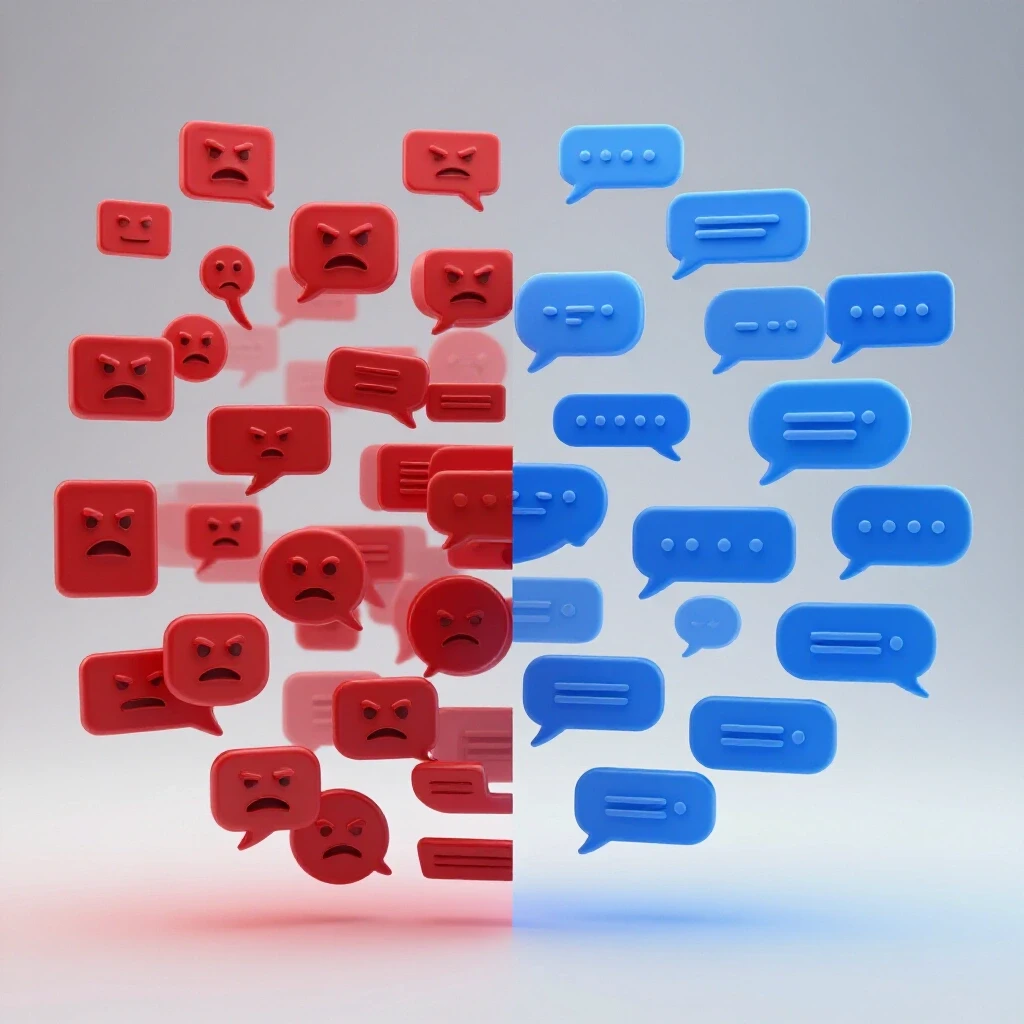
Why Sudden Reach Drops Strike Brands—And How to Formulate a Root Cause Recovery Plan
A root cause recovery plan is a structured approach to finding out why your account’s visibility suddenly fell. It involves looking at data to see if the cause was a policy break or a change in how your audience feels. This plan helps you move from guessing to knowing exactly what went wrong.
When I was helping a global retail brand last year, they saw a 60% drop in organic reach overnight. They had just posted a response to a minor controversy. The post was meant to help, but it actually triggered more negative reports. This is where an algorithmic penalty diagnosis becomes vital. You must look at your “reach velocity,” which is the speed at which your content spreads. If your reach velocity drops by more than 30% compared to your 30-day average, you are likely facing a platform-level restriction.
To start your recovery, you need to check if you are suffering from a social media shadowban. This is a state where your content is not technically removed, but the platform’s “search suppression” tools keep it away from new eyes. I use a simple checklist to see if the platform has flagged the account.
Root Cause Diagnostic Checklist
| Metric to Check | Normal Range | Warning Sign | Likely Cause |
|---|---|---|---|
| Non-Follower Reach | 15–30% | Below 5% | Search Suppression |
| Report-to-View Ratio | < 0.1% | > 0.5% | Content Moderation Flag |
| Reach Velocity | Stable | 40% Drop in 24h | Algorithmic Penalty |
| Sentiment Index | Positive/Neutral | Sharp Negative Spike | Audience Backlash |
Identifying the Algorithmic Penalty Diagnosis
This diagnosis is a check of your account’s health to see if the platform’s software is hiding your content. It looks for sudden drops in non-follower reach that suggest your content is being filtered out. Understanding this helps you stop wasting money on ads that no one will see.
Platforms use “content moderation thresholds.” These are invisible limits. If your post gets too many “hide this post” clicks or negative reports in a short time, the system flags you as a “low-quality” or “risky” creator. I once worked with a tech company that hit this threshold because they argued with users in the comments. The algorithm saw the high volume of negative interaction and cut their reach to protect the user experience.
- Check your account status in the platform settings.
- Look for “recommendation eligibility” markers.
- Review recent posts for “sensitive content” warnings.
- Compare reach from hashtags versus reach from the home feed.
Managing Stakeholder Stress During Audience Crisis Management
Audience crisis management is the process of handling negative feedback from your followers while keeping your team calm. It requires clear data to show leaders that recovery takes time and cannot be rushed. You must explain that “fixing it” is a marathon, not a sprint.
In my experience, the hardest part of brand reputation recovery is talking to the CEO. They often want to post another statement to “set the record straight.” I have to show them that more talking often leads to more flagging. I use a “Trust Recovery Phase Timeline” to set expectations. This shows that the first 14 days are for cooling down, not for aggressive posting.
Trust Recovery Phase Timeline
- Cooling Period (Days 1–7): Stop all non-essential posting. Monitor sentiment without replying to every troll.
- Diagnostic Phase (Days 8–14): Run small tests. Post neutral, high-value content to see if reach returns.
- Rehabilitation Phase (Days 15–30): Slowly increase post frequency. Focus on positive community engagement.
- Full Recovery (Day 30+): Return to normal strategy if sentiment and reach metrics have stabilized.
Executing an Engagement Drop Resolution Strategy
This strategy is a step-by-step plan to bring your interaction levels back to normal. It focuses on posting high-quality content that encourages positive comments and shares to signal to the platform that your account is safe. This signals to the algorithm that people actually want to see your brand again.
When you are rebuilding, your “sentiment index” is your north star. This is a score that tracks the mood of your comments. If your index is below a 2 out of 10, you are still in the danger zone. During a project for a lifestyle brand, we stopped all product sales posts for three weeks. Instead, we posted helpful tips that had nothing to do with the crisis. This helped us rebuild a positive “report-to-view” ratio.
- Pause all automated or scheduled posts immediately.
- Remove any content that is still receiving high rates of negative reports.
- Shift to “safe” content categories that have historically performed well.
- Engage deeply with the positive comments you do receive to boost “meaningful social interaction” scores.
Submitting Appeals and Navigating Content Moderation Thresholds
Content moderation thresholds are the limits platforms set for “risky” content. If your posts get too many reports or use certain words, the system may flag you, requiring a formal appeal to clear your name. Knowing how to talk to platform support is a skill in itself.
Most people fail their appeals because they are too emotional. When I submit an appeal, I stick to the facts. I use data from our internal tracking to show that our content does not violate specific community guidelines. An appeal timeline usually ranges from 5 to 15 business days. During this time, it is vital to keep the account “clean.” Do not try to bypass the system by creating new accounts, as this can lead to a permanent ban.
- Identify the specific post that triggered the violation.
- Gather evidence showing the post followed platform rules.
- Use the official support channel rather than generic contact forms.
- Keep the message short. State the post ID, the rule you believe was misapplied, and your request for a manual review.
Implementing Ongoing Account Audits for Long-Term Protection
An account audit is a regular check-up of your social media health. It looks at your security settings, your recent reach trends, and your follower growth. Doing this once a month helps you catch small problems before they become big crises.
I recommend using “brand safety validation protocols.” These are rules for what your brand will and will not post. After a major reach drop, these protocols should be updated. For example, you might decide to never post reactive statements after 5:00 PM when your team is not available to monitor the comments. This “risk containment” is what separates professional operators from beginners.
- Review your “reach velocity” every Monday morning.
- Check for any new platform policy updates that might affect your niche.
- Audit your comment filters to block keywords that trigger heated arguments.
- Track your “engagement variance,” which shows if certain topics are causing reach to dip.
Restoring Reach and Positive Audience Engagement
The final step in your audience reach recovery is to prove to the algorithm that you are a “good actor” again. This takes consistent, non-controversial posting. I often tell my clients that they need to “earn back” their spot in the feed.
One project I handled involved a brand that had been shadowbanned for two months. We spent 30 days posting only high-quality video content that was 100% focused on education. We didn’t ask for likes or shares. By the end of the month, the “search suppression” was lifted. Their reach returned to 90% of its original level. This proved that a data-backed, patient approach works better than trying to “hack” the algorithm.
Conclusion
Recovering from a major setback is stressful, but it is possible. By using a systematic approach, you can move past the initial shock of a reach drop. Focus on the data, manage your stakeholders’ expectations, and be patient with the platform’s appeal process. The goal is not just to get back to where you were, but to build a more resilient account that can handle future challenges. Start today by checking your reach metrics and setting your baseline for recovery.
FAQ
How can I tell if my reach drop is a shadowban or just bad content? Check your “reach from non-followers.” If your posts are only being shown to people who already follow you, and your hashtag reach is zero, you are likely facing search suppression or a shadowban. If everyone is seeing it but no one is liking it, the problem is likely the content itself.
How long does it take to recover from an algorithmic penalty? In most cases, a “rehabilitation period” lasts between 30 and 90 days. The platform needs to see a consistent pattern of “safe” and “engaging” behavior before it restores your full reach velocity.
Should I delete the post that caused the backlash? If the post is still receiving a high number of negative reports or “hide” actions, deleting it can stop the ongoing damage to your account’s health score. However, it does not “undo” the penalty that has already been applied.
What is a “sentiment index” and how do I track it? A sentiment index is a way to turn comments into a number. You can use tools to scan your comments for positive, neutral, and negative words. A score of 1.0 is very negative, while 10.0 is very positive. Aim for a score above 7.0 before resuming normal marketing.
Can I use paid ads to fix a drop in organic reach? Using ads can help keep your brand visible, but it will not fix an algorithmic penalty. In some cases, if your account is flagged, your ad costs (CPM) will actually go up because the platform views your content as “low quality.”
What should I tell my boss if they want to post another response? Explain that the platform’s “content moderation thresholds” are currently sensitive to your account. Show them data on how the last post affected reach. Suggest a “cooling period” to prevent a permanent loss of account visibility.
How do I know if my appeal was successful? You will usually see a gradual return of reach from “Explore” or “Search” pages. Some platforms will also send a notification saying that your content has been reviewed and restored.
What is “reach velocity” and why does it matter? Reach velocity is how fast your post gains views in the first hour. If this speed is much lower than usual, it means the algorithm is not “testing” your content with a wide audience. This is a key sign of a penalty.
Are there specific words that trigger a shadowban? Platforms do not publish a list of “banned words,” but they do flag content that leads to high report rates. During a crisis, avoid words that are currently “hot” or controversial in the news, as these are monitored more closely.
Can a drop in engagement be permanent? It is rarely permanent if you change your strategy. However, if you continue to trigger policy flags, the platform may eventually disable your account. Consistent, high-quality posting is the only way to ensure long-term brand protection.
(This article was written by one of our staff writers, Andrew Collins. Visit our Meet the Team page to learn more about the author and their expertise.)