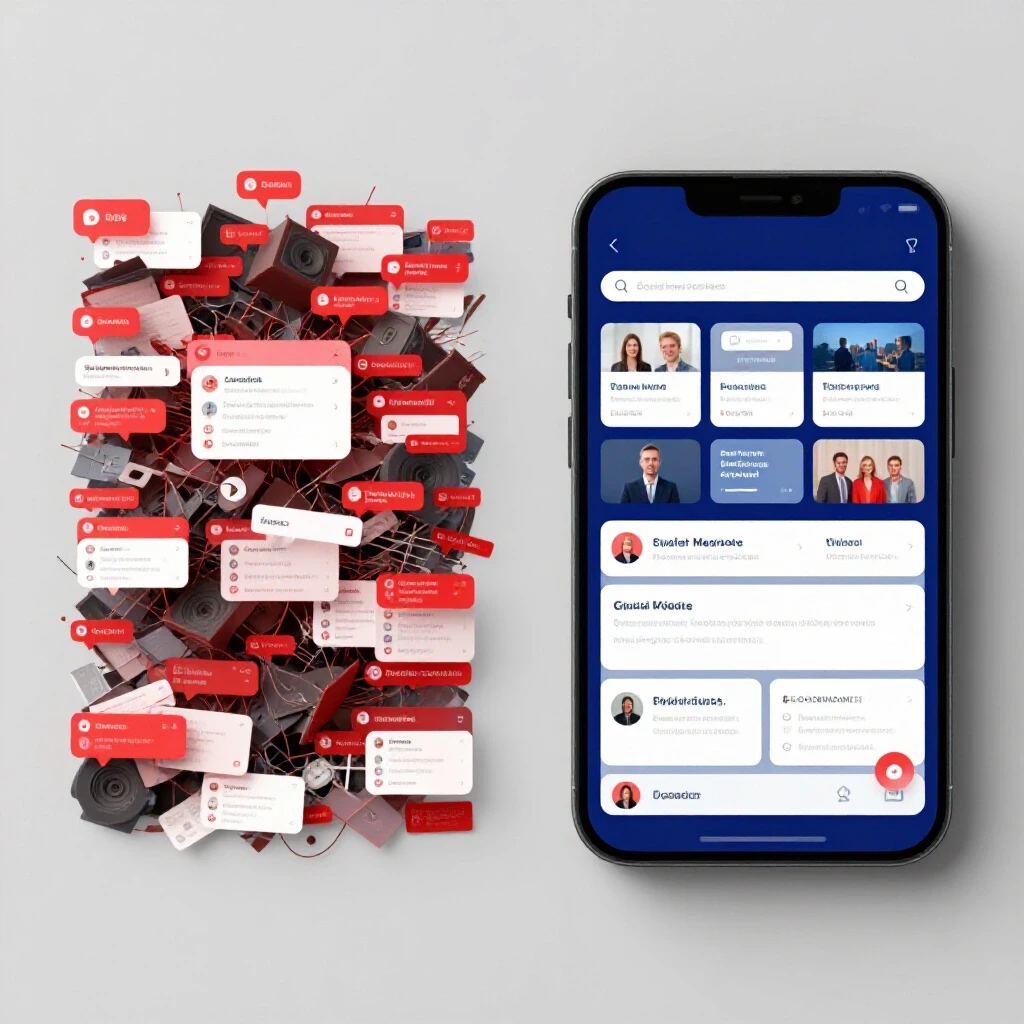
How to Price Social Media Consulting Services (Step-by-Step Guide)
Discussing budget options with a potential client is often the most stressful part of an independent marketing consultant role. After 15 years in this industry and managing over 60 client accounts, I have learned that your fee structure is about more than just a number. It is a reflection of your boundaries, your expertise, and the long-term health of your social media consulting career.
When I left the agency world to build my own practice, I struggled with the silence that follows a price quote. I worried that if I charged too much, I would lose the lead, but if I charged too little, I would burn out. This guide draws from my career archives to help you navigate these professional transitions with a grounded, realistic strategy.

Defining the Core Consulting Scope
The consulting scope is a detailed document that lists every task, deliverable, and deadline for a specific project. It serves as a boundary that prevents you from doing extra work for free and ensures the client knows exactly what they are paying for.
In my early days as a freelancer, I often skipped the formal scope. I thought a verbal agreement was enough. However, I quickly learned that without a clear definition of work, client scope creep becomes inevitable. For example, a client might ask for “just one more” Instagram Story per week. Without a scope, that one story turns into five, and suddenly your freelance pricing strategy is failing because you are working twice as many hours for the same pay.
A solid scope should include: – The number of platforms managed. – Post frequency per week. – Engagement and community management hours. – Reporting frequency (monthly or bi-weekly). – Content creation requirements (photography, video, or graphic design).
Selecting the Right Pricing Frameworks
A pricing framework is the method you use to calculate your fees, whether it is based on hours worked, specific project milestones, or the overall value provided. Choosing the right one determines your effective hourly rate (EHR) and your overall profitability.
During my marketing consultant career transition, I moved from hourly billing to retainer models. Hourly billing often penalizes you for being efficient. If you get faster at your job, you make less money. On the other hand, value-based pricing focuses on the results you deliver, such as increased lead generation or brand awareness. I have found that a hybrid model often works best for mid-level professionals.
| Pricing Model | Best Used For | Pros | Cons |
|---|---|---|---|
| Hourly Rate | Short-term fixes or audits | Easy to track; transparent | Caps your income; penalizes efficiency |
| Project-Based | One-time campaigns or setups | Predictable for the client | Risk of underestimating time |
| Monthly Retainer | Long-term management | Stable recurring revenue | High risk of client scope creep |
| Value-Based | High-impact strategy work | Highest profit potential | Hard to quantify for new consultants |
Calculating Your Effective Hourly Rate (EHR)
Before you set a price, you must understand your EHR. This is calculated by taking your total project fee and dividing it by the actual hours spent, including administrative tasks. If you charge $2,000 a month but spend 40 hours on the account, your EHR is $50. If you spend 20 hours, it jumps to $100. Monitoring this metric is vital for a successful social media consulting career.
Vetting Potential Clients for Long-Term Success
Client vetting is the process of interviewing a prospect to see if their needs, budget, and communication style align with your business model. It is a defensive strategy designed to filter out “high-maintenance, low-budget” clients before they sign a contract.
I once took on a client who pushed back on every line item during our retainer contract negotiation. I ignored the red flags because I needed the revenue. Within two months, they were calling me at 9:00 PM on Sundays. Vetting is not just about the money; it is about protecting your mental health and professional reputation.
The Client Red-Flag Checklist
When I mentor junior marketers, I tell them to look for these warning signs during the initial discovery call: – They cannot define their goals or “just want to go viral.” – They speak poorly about their previous consultants. – They ask for a “trial period” at a deep discount. – They are slow to respond to basic emails but expect instant replies. – They push back on your established project boundaries.
Drafting Retainer Contracts that Protect Your Time
A retainer contract is a legal agreement where a client pays a set fee in advance to secure your services for a specific period. It provides the stability needed for a profitable independent marketing consultant practice but requires strict language to prevent over-servicing.
In my experience, the best contracts are 3 to 12 months in duration. This allows enough time to see real results from a social media strategy. I always include a 30-day or 60-day notice period for termination. This protects my cash flow and gives me time to find a replacement if a client decides to move in a different direction.
Essential Contract Clauses
Your contract should be more than just a price list. It needs to cover the “what ifs” of a professional relationship. 1. Payment Terms: Require a 50% deposit for project work or “payment in advance” for retainers. 2. Late Fees: Specify a 5% to 10% penalty for invoices paid after 15 days. 3. Revision Limits: State exactly how many rounds of edits are included (usually two). 4. Out-of-Scope Clause: Define how extra work will be billed. 5. Ownership: Clarify that you own the work until the final invoice is paid.
Navigating the Physical and Emotional Shifts of Consulting
The transition from an agency role to independent work is rarely seamless. You move from having a team and a steady paycheck to being the CEO, the worker, and the bill collector. This shift can be isolating and stressful, especially during client acquisition dry spells.
I remember my first month as a full-time consultant. I sat in my home office and realized that if I didn’t send emails, no work would happen. There is no “water cooler” for venting, and your professional development is entirely your responsibility. To survive, you must build a network of other freelancers. These peers become your unofficial coworkers, providing the emotional support that an agency once offered.
Managing Client Onboarding and Communication
Onboarding is the phase where you integrate a new client into your workflow, gather their brand assets, and set communication expectations. A smooth onboarding process builds trust and reduces the friction that leads to difficult client relationships.
I use a standardized checklist for every new account. This prevents me from forgetting small details, like getting access to the Meta Business Suite or the client’s brand guidelines. Using modern tools can automate much of this, allowing you to focus on the actual strategy.
Essential Consulting Toolset
- Proposal Generators: Tools like Better Proposals or Proposify create professional, digital documents that clients can sign instantly.
- Contract Templates: Resources from the American Marketing Association or LawDepot provide a solid legal starting point.
- Project Management: Platforms like Trello, Asana, or ClickUp help you track tasks and share progress with clients.
- Invoicing Software: QuickBooks, FreshBooks, or Wave automate billing and late payment reminders.
- Communication: Slack or Loom for quick updates, reducing the need for hour-long Zoom calls.
Why Client Scope Creep Sinks Profits
Scope creep occurs when a client asks for additional tasks that were not in the original agreement. While it often feels like “just a small favor,” these tasks accumulate and erode your profit margins over time.
I once managed a project where the client asked for one extra video per week. I said yes without adjusting the price. By the end of the quarter, I was working five extra hours a week for free. According to industry reports, scope creep can reduce a freelancer’s annual earnings by up to 20% if not managed properly. You must learn to say, “I can certainly do that; here is the updated estimate for that addition.”
Scope Creep Financial Impact Estimator
| Task Added | Est. Time (Monthly) | Annual Hour Loss | Financial Loss (at $100/hr) |
|---|---|---|---|
| 1 Extra Weekly Post | 4 Hours | 48 Hours | $4,800 |
| Daily Comment Replies | 10 Hours | 120 Hours | $12,000 |
| Extra Monthly Meeting | 2 Hours | 24 Hours | $2,400 |
| Graphic Design Edits | 5 Hours | 60 Hours | $6,000 |
Pricing Out-of-Scope Work and Surcharges
Out-of-scope surcharges are additional fees applied when a client requests work beyond the contract. Having a pre-defined “Surcharge Schedule” makes these conversations easier because the price is already established.
Whenever a client asks for something new, I refer them back to our agreement. I explain that I am happy to help, but since it falls outside our current scope, it will be billed at my “out-of-scope” rate. This rate is usually 25% higher than my standard rate to account for the disruption to my schedule.
Out-of-Scope Pricing Schedule
- Urgent Requests (under 24-hour turnaround): 50% surcharge on the task fee.
- Weekend/Holiday Work: Flat fee per day or double the hourly rate.
- Additional Platform Management: Set monthly fee per new social channel.
- Major Strategy Pivots: One-time “re-strategy” fee.
Long-term Career Growth and Professional Network Development
A successful social media consulting career requires constant evolution. You cannot charge the same rates for five years and expect to grow. You must regularly review industry salary reports and adjust your freelance pricing strategy based on your increasing expertise and the current market.
I recommend reviewing your rates every 12 months. If you are consistently booked at 80% capacity, it is time to raise your prices for new clients. This allows you to work with fewer, higher-paying clients, giving you the time to focus on professional development and lead acquisition.
Professional Development Benchmarks
- Certifications: Keep your Meta Blueprint or Google Analytics certifications current.
- Networking: Attend at least one industry conference per year (even if it is virtual).
- Mentorship: As you grow, mentor junior marketers. It reinforces your knowledge and expands your network.
- Portfolio Updates: Document your wins. If you grew a client’s revenue by 30%, that is a data point for your next negotiation.
Navigating Contract Terminations and Transitions
Not every client relationship is meant to last forever. Sometimes a client’s budget changes, or the working relationship becomes too difficult to maintain. Navigating these transitions with professionalism is key to protecting your reputation.
When I terminate a contract, I always provide a clear “offboarding” document. This includes all login information, a summary of current projects, and recommendations for their next steps. This ensures the client isn’t left in the dark and reduces the chance of a negative review. A standard 30-day notice period is the industry norm and provides a safety net for both parties.
Client Onboarding Confirmation Checklist
- [ ] Signed contract and non-disclosure agreement (NDA).
- [ ] First payment or deposit received.
- [ ] Access to social media accounts and ad managers.
- [ ] Brand assets (logos, fonts, style guides) received.
- [ ] Communication channels (Slack, email, or PM tool) established.
- [ ] Kick-off call completed and goals documented.
Building a Stable and Profitable Consulting Career
Building a sustainable practice is a marathon, not a sprint. It involves balancing the “doing” of the work with the “business” of the work. You will face dry spells where no new leads come in, and you will face months where every client seems to have a crisis at the same time.
My 15 years in the industry have taught me that the most successful consultants are the ones who are the most disciplined. They price for profit, they protect their time with iron-clad contracts, and they never stop learning. By following these frameworks, you can move away from the stress of “winging it” and toward a career that offers both financial reward and professional freedom.
FAQ
What is the difference between a freelance rate and a consulting rate? A freelance rate is usually based on “doing” a specific task, like writing a caption. A consulting rate is based on “thinking” and strategy. Consultants are paid for their advice, expertise, and ability to solve complex business problems, which generally commands a higher fee than simple task execution.
How do I handle a client who says my price is too high? Instead of lowering your price, offer to reduce the scope of work. For example, if they cannot afford the full package, suggest managing two platforms instead of four. This protects your effective hourly rate and shows the client that your time has a fixed value.
Should I charge for the initial discovery call? Most consultants offer a free 15-to-30-minute discovery call to vet the client. However, if the client wants a deep dive into their strategy during that first call, you should charge a “strategy session” fee. This prevents people from “picking your brain” for free.
How much should I ask for as a deposit? A standard deposit is 50% for one-time projects. For ongoing monthly retainers, it is best practice to bill the first month in advance. This ensures you are paid for your time and helps manage your cash flow during the onboarding process.
What is the best way to track my time for project-based work? Even if you aren’t billing hourly, use a tool like Toggl or Harvest to track every minute you spend on a client. This data is essential for calculating your EHR and helps you realize if a specific client is taking up more time than they are paying for.
What happens if a client refuses to pay an invoice? First, send a polite reminder. If they still don’t pay, refer to the late fee clause in your contract. If the payment is more than 30 days late, stop all work immediately. Never continue working for a client who owes you money, as this only increases your financial risk.
How do I manage my professional development while working full-time? Block out two hours every Friday afternoon for “CEO time.” Use this time to read industry reports, take a certification course, or update your own social media presence. Treating your own business as a “client” is the only way to ensure you don’t stagnate.
Is it better to specialize in one niche or be a generalist? Specializing in a niche (like e-commerce or B2B tech) allows you to charge higher rates because you become an expert in that specific market. Generalists often face more competition and lower price points because they are seen as a “commodity” rather than a specialist.
How long does it typically take to onboard a new client? A thorough onboarding process usually takes 5 to 10 hours over the first two weeks. This includes administrative setup, asset gathering, and the initial strategy kick-off. Make sure you account for this time when setting your initial project or setup fees.
(This article was written by one of our staff writers, Scott Davidson. Visit our Meet the Team page to learn more about the author and their expertise.)