How to Avoid Common Social Media Consulting Mistakes (Guide)
I remember the early days of social media marketing when the platforms felt like a digital frontier. I was transitioning from an agency role to my own independent practice, armed with a laptop and a decade of experience. At that time, I felt confident after managing dozens of accounts, yet I was about to face a lesson that would change how I approached every contract thereafter.
My first major independent project involved a regional retail brand. I had set up what I thought was a sophisticated ad campaign, but I made a fundamental error in the audience targeting parameters. I had layered too many restrictive “and” interests instead of “or” interests, which narrowed the reach so much that the campaign barely delivered. It was a humbling moment that taught me the difference between agency-level safety nets and the total accountability of being an independent marketing consultant.
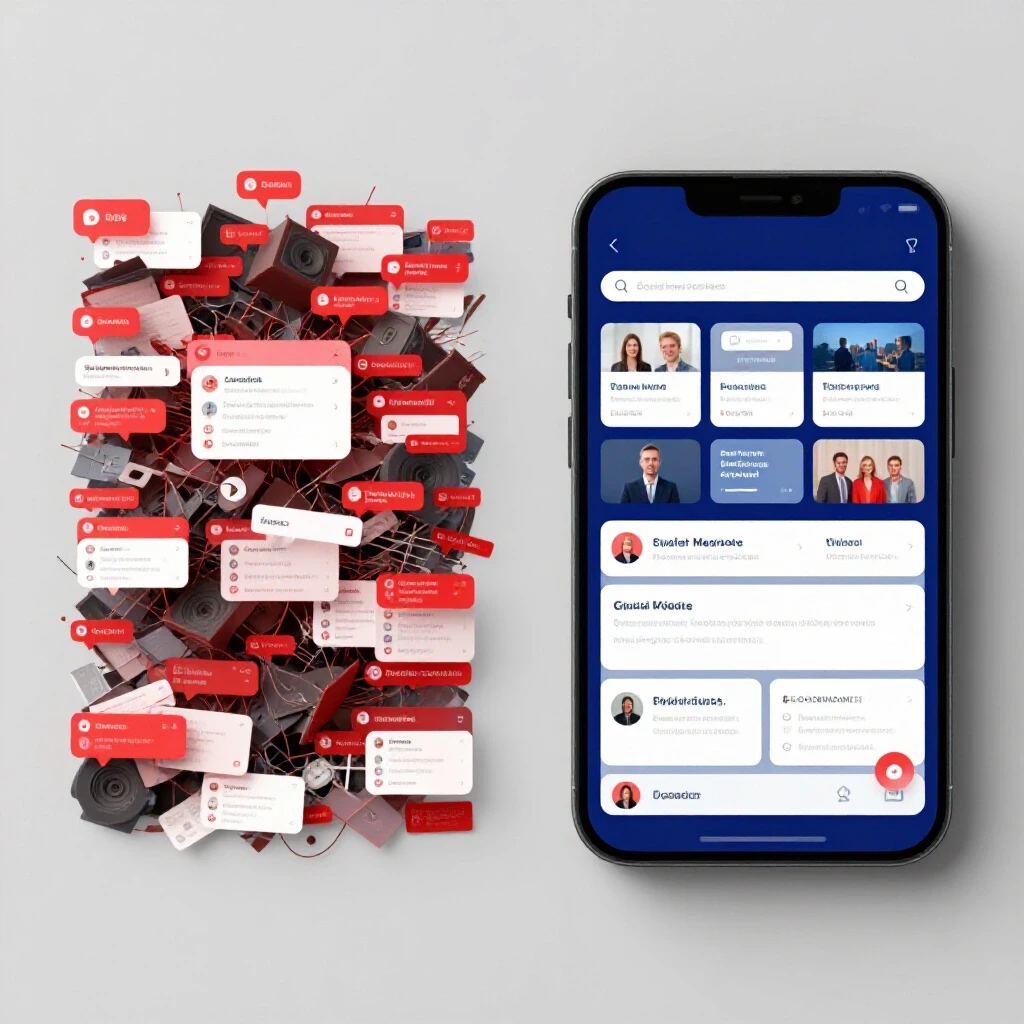
Building a stable career in this field requires more than just technical skill. It demands a mastery of client management and a deep understanding of how to protect your time and your profit margins. Over my 15 years and 60-plus client accounts, I have learned that the most successful consultants are those who treat their business operations with as much care as their creative strategies.
Establishing the Foundations of a Consulting Scope
A consulting scope is a detailed document that outlines exactly what work you will perform and what is excluded. It acts as a roadmap for the project and a shield against misunderstandings that can sour a professional relationship.
Defining your scope early prevents the “everything and the kitchen sink” approach that many clients expect. When I first started, I often left my scopes vague, thinking it showed flexibility. I quickly realized that vagueness is an invitation for unpaid labor. A clear scope includes specific deliverables, such as the number of posts per week, the number of ad sets to be managed, and the frequency of performance reports.
Selecting the Right Pricing Frameworks
A pricing framework is the method you use to calculate the cost of your services. Choosing the wrong one can lead to a low effective hourly rate (EHR), which is the total fee divided by the actual hours worked.
Many social media consultants start with hourly billing, but this often penalizes you for being efficient. As you gain experience, you should move toward retainer-based or value-based pricing. A retainer is a recurring monthly fee for a set scope of work, providing predictable income for you and predictable costs for the client.
| Pricing Model | Best For | Pros | Cons |
|---|---|---|---|
| Hourly Rate | Short-term fixes | Easy to track | Limits income as you get faster |
| Monthly Retainer | Ongoing management | Predictable cash flow | High risk of scope creep |
| Project-Based | One-off launches | Clear start and end | Hard to estimate exact hours |
| Value-Based | High-impact strategy | Highest profit potential | Hard to prove direct attribution |
Vetting Potential Clients for Long-Term Fit
Client vetting is the process of interviewing and researching a prospect to ensure they are a good match for your expertise and work style. It is your first line of defense against difficult relationships and career stagnation.
In my experience mentoring junior marketers, I often see them take every lead that comes their way. This is a mistake. Look for clients who have a clear budget, realistic expectations, and a history of respecting professional boundaries. If a prospect asks for a “trial run” for free or questions your rates before the first meeting, those are significant red flags.
The Impact of Misaligned Campaign Objectives
In my early oversight with the retail brand, the core issue was a misalignment between my technical setup and the client’s growth goals. I was focused on precision, while they needed volume. This taught me that every technical choice must be tied back to a high-level business objective.
When you fail to align these goals, you end up with “vanity metrics”—numbers like likes or follows that look good on paper but don’t drive revenue. A successful social media consulting career is built on delivering tangible results, whether that is lead generation, website traffic, or brand sentiment shifts.
Designing Robust Testing Protocols
A testing protocol is a standardized process for launching and monitoring social media experiments. It ensures that you aren’t just guessing what works, but are using data to drive your decisions.
After my targeting error, I implemented a “double-check” system for every ad set. This includes verifying the audience size, checking the tracking pixels, and ensuring the budget is distributed correctly. You should always run a small-scale test before committing the full campaign budget. This limits the impact of any technical errors and allows you to optimize based on real-time performance.
- Establish a 48-hour “burn-in” period for new ads.
- Compare at least two different creative variations (A/B testing).
- Monitor frequency levels to avoid audience fatigue.
- Verify that all UTM parameters are capturing data in Google Analytics.
Drafting Retainer Contracts and Managing Boundaries
A retainer contract is a legal agreement that secures your services for a specific duration, usually 3 to 12 months. It should clearly state the notice period for termination, which is typically 30 to 60 days.
Negotiating these contracts can be stressful, especially if you are transitioning from an agency where someone else handled the paperwork. However, a strong contract is what allows you to handle project boundaries with confidence. It should include a clause for “out-of-scope” work, detailing how much you will charge for requests that fall outside the initial agreement.
Why Client Scope Creep Sinks Consulting Profits
Client scope creep occurs when a project’s requirements grow beyond the original plan without a corresponding increase in pay or time. It is the single biggest threat to a consultant’s profitability.
Interestingly, scope creep often starts with small, polite requests. A client might ask you to “just quickly look at this extra graphic” or “hop on a quick unscheduled call.” Over time, these small interruptions erode your focus and your effective hourly rate. To combat this, you must formulate a real boundary blueprint. This means saying “yes” to the request but “no” to doing it for free.
The Boundary Blueprint: How to Say No
When a client asks for work outside the scope, you don’t have to be confrontational. You can use a simple “Yes, and” approach. For example: “I can certainly handle that extra campaign for you. Since it’s outside our current retainer, I’ll send over a brief addendum and the price for that additional work.”
This approach reinforces that your time has a specific value. It also forces the client to decide if the request is actually important enough to pay for. Most of the time, the “urgent” extra work suddenly becomes less important when there is a price tag attached.
| Scope Creep Indicator | Impact on Consultant | Practical Response |
|---|---|---|
| Unscheduled “Quick” Calls | Loss of deep work time | Require all calls to be scheduled 24h in advance |
| Extra Revision Rounds | Delayed project completion | Limit revisions to 2 per deliverable in contract |
| New Platform Requests | Increased learning curve | Charge a “Setup Fee” for new social channels |
| Weekend Messaging | Increased burnout risk | Set clear “Office Hours” in your email signature |
Navigating the Social Media Consulting Career Transition
Transitioning from an agency role to independent consulting is as much a mental shift as it is a professional one. You move from being a specialist to being a business owner who also happens to do marketing.
In an agency, you have a team to catch errors and a sales department to find new leads. As an independent, you are the sales team, the account manager, and the strategist. This can lead to a stressful cycle of “feast or famine,” where you are either overwhelmed with work or worried about where the next client will come from. Balancing delivery with client acquisition is a skill that takes years to master.
Managing Personal Professional Development
When you are working for yourself, it is easy to let your skills stagnate because you are too busy with client work. However, the social media landscape moves too fast for you to stop learning.
I recommend setting aside at least four hours a week for your own professional development. This could involve taking a certification course, attending industry webinars, or experimenting with new platform features on your own brand. According to reports from the American Marketing Association, consultants who regularly update their skills can command rates 20-30% higher than those who don’t.
- Follow platform-specific newsrooms (Meta, LinkedIn, TikTok).
- Join professional consulting networks for peer support.
- Allocate a “learning budget” from your monthly profits.
- Audit your own processes every six months to find efficiencies.
Tools and Resources for Modern Consultants
To run a professional practice, you need a stack of tools that automate the administrative side of your business. This allows you to spend more time on high-level strategy and less time on manual data entry.
- Proposal Generators: Tools like Better Proposals or PandaDoc help you create professional, legally binding documents quickly.
- Project Management: Asana, Trello, or ClickUp are essential for tracking deliverables across multiple clients.
- Automated Invoicing: Software like FreshBooks or QuickBooks ensures you get paid on time and makes tax season manageable.
- Reporting Dashboards: Tools like Looker Studio or AgencyAnalytics allow you to present data to clients in a way that proves your value.
- Communication Platforms: Use Slack or Microsoft Teams to keep client conversations out of your personal text messages and organized by project.
Actionable Benchmarks for Your Practice
Setting benchmarks helps you measure the health of your consulting business. You should track your client conversion timelines—how long it takes from the first call to a signed contract—and your client acquisition ratio.
A healthy consulting practice typically sees a client acquisition ratio of 1:4, meaning for every four qualified leads, you sign one client. If your ratio is lower, you may need to refine your vetting process or your sales pitch. Additionally, aim for an average retainer duration of at least six months. High client churn is expensive and prevents you from doing your best work.
Final Steps for a Stable Consulting Career
Building a successful career in social media consulting is a marathon, not a sprint. It requires a blend of technical expertise, firm boundaries, and a commitment to continuous improvement. My early mistake taught me that even with years of experience, a lack of process can lead to failure.
By implementing the strategies outlined here—from strict vetting to robust testing protocols—you can avoid the common pitfalls that lead to burnout and financial instability. Focus on protecting your time, pricing your value accurately, and maintaining clear communication with every client.
FAQ: Navigating the Complexities of Social Media Consulting
What is the most common cause of campaign failure for new consultants? The most common cause is a lack of clear KPIs (Key Performance Indicators) and poor audience targeting. Without a specific goal, such as a target cost-per-lead, it is impossible to measure success or identify where a campaign is going wrong.
How do I determine my initial freelance pricing strategy? Start by calculating your desired annual salary plus your business expenses (taxes, software, insurance). Divide this by the number of billable hours you can realistically work (usually about 25-30 hours per week). This gives you a baseline hourly rate, which you can then use to build project and retainer packages.
What should I do if a client refuses to sign a retainer contract? If a client is hesitant about a long-term commitment, offer a smaller “paid discovery” project or a 90-day trial period. If they still refuse to sign any form of agreement, it is a sign that they may not value your professional structure, and you should consider walking away.
How do I handle a mistake I made on a live client campaign? Be transparent and proactive. Inform the client as soon as you discover the error, explain how you corrected it, and outline the steps you’ve taken to ensure it doesn’t happen again. Most clients value honesty over perfection, provided you have a plan to fix the issue.
What is an effective hourly rate (EHR) and why does it matter? EHR is your total project fee divided by the total hours you spent on it. It is the most accurate way to see how profitable you actually are. If your EHR is lower than your target hourly rate, you either need to raise your prices or find ways to work more efficiently.
How can I stop client scope creep before it starts? Set expectations during the onboarding process. Provide a “Welcome Packet” that outlines your communication hours, your revision process, and how out-of-scope requests are handled. Addressing these points early prevents awkward conversations later.
What is the average retainer pricing for social media consultants? While rates vary by experience and location, mid-level consultants typically charge between $1,500 and $5,000 per month per client. This usually covers strategy, content creation, and basic community management for 2-3 platforms.
How long does the average career transition from agency to freelance take? Most professionals find it takes 6 to 12 months to build a stable roster of clients that matches their previous agency salary. It is often helpful to start freelancing part-time while still employed to build a financial cushion.
Why is client vetting more important than client acquisition? Acquiring the wrong client can cost you more in stress and lost time than the revenue they bring in. Vetting ensures you spend your energy on clients who are aligned with your expertise, leading to better results and longer-term contracts.
What are the best tools for tracking consulting project boundaries? Time-tracking tools like Toggl or Harvest are excellent for seeing exactly where your hours are going. When you see that a “small” task is taking three hours, you have the data you need to adjust your scope or your pricing.
(This article was written by one of our staff writers, Scott Davidson. Visit our Meet the Team page to learn more about the author and their expertise.)