How to Recover From a Social Media Brand Crisis (Step-by-Step)
Smart living often involves using data and technology to make our daily routines more efficient and resilient. In the world of social media management, this same principle applies to how we handle digital setbacks. When a brand’s online presence suddenly falters, the stress can be overwhelming. Over my 14 years in operations, I have learned that the key to survival is not panic, but a smart, systematic approach to rebuilding. This guide details how I managed a significant turnaround over a half-year period, focusing on data and patience rather than quick fixes.
Identifying the Source of a Sudden Audience Reach Recovery Gap
This stage involves looking deep into your data to find exactly where things went wrong. It is about separating simple drops in interest from actual platform penalties. By looking at reach velocity and engagement variance, you can figure out if the algorithm is working against you or if your audience is just tired of your content.
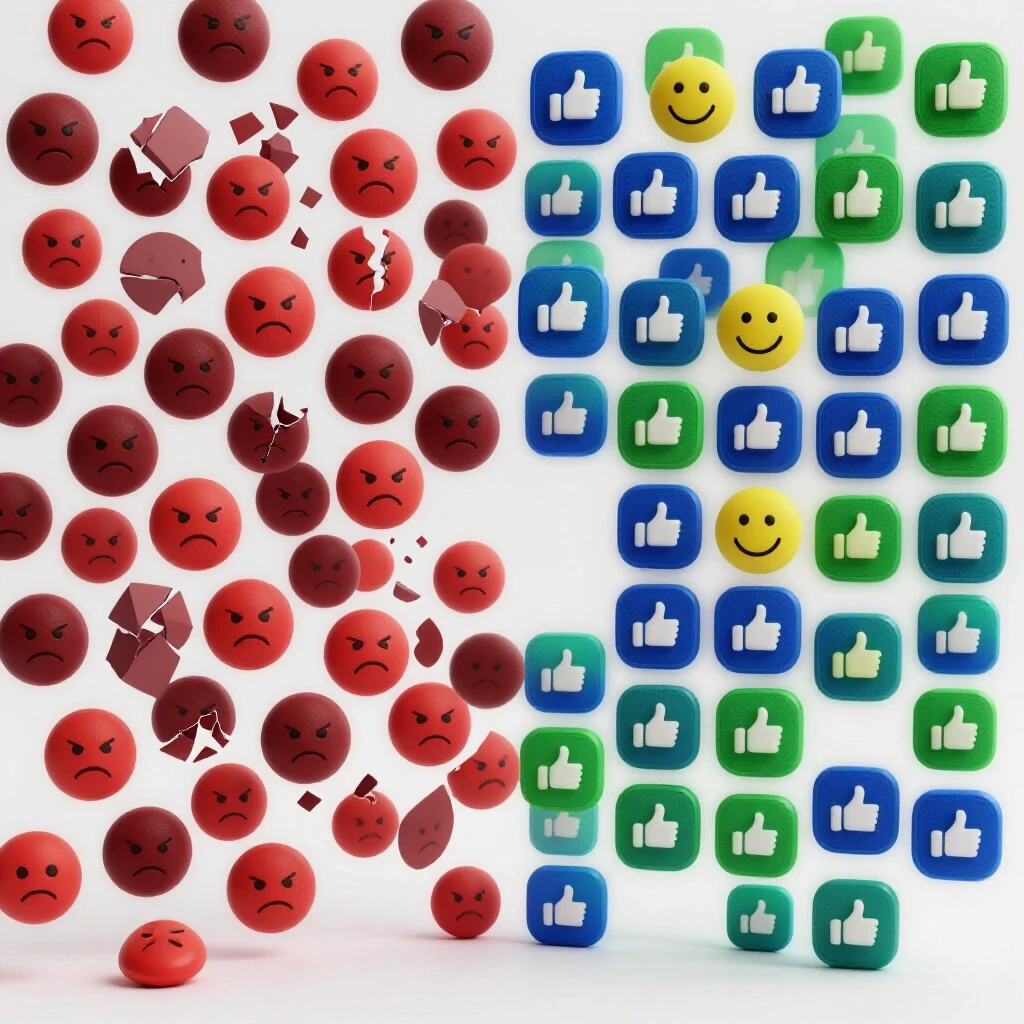
In my experience, the first sign of trouble is usually a sharp, unexplained drop in impressions from non-followers. I remember managing a major account where our reach fell by 65% overnight. We hadn’t changed our posting style, so we knew it was an external factor. We had to perform an algorithmic penalty diagnosis. This means checking if your content is being suppressed by the platform’s safety filters.
Search suppression, often called a shadowban, happens when a platform stops showing your content in search results or on “discover” pages. The platform does this to protect users from content it thinks might violate its rules. It does not always tell you this is happening. You must look for “reach velocity” drops, which is how fast your content spreads. If your reach stops growing almost immediately after posting, you might be facing a restriction.
The Shadowban Verification Matrix
To help my team understand the situation, I developed a simple matrix. It helps you see if you are dealing with a platform-wide penalty or just a bad content week.
| Indicator | Algorithmic Penalty | Natural Engagement Drop |
|---|---|---|
| Reach from Non-Followers | Drops by 80% or more | Drops by 10-20% |
| Hashtag Visibility | Content does not appear in “Recent” | Content appears but ranks low |
| Searchability | Account name does not auto-fill | Account is easily found |
| Engagement Rate | High engagement from a tiny audience | Low engagement from a normal audience |
| Notification Status | No “Account Status” warnings | Possible policy alerts |
Why Sudden Reach Drops Strike Brands
Most brands face these issues because of a “content moderation threshold.” This is a limit set by the platform. If too many users report your posts, or if your content looks like spam to an AI, the system automatically limits your reach. It is a safety protocol designed to stop harmful content from going viral. For a brand, this can feel like a disaster, but it is actually a signal that your operational habits need to change.
Communicating Algorithmic Penalty Diagnosis to Internal Teams
Sharing bad news with leadership is one of the hardest parts of my job. You must explain complex technical issues in a way that makes sense to people who focus on the bottom line. This section covers how to present recovery metrics without causing more stress, ensuring everyone is on the same page for the long haul.
When I faced a major engagement drop resolution project, I had to meet with executives every Monday. They wanted to know why our numbers were “red.” I learned to avoid saying “the algorithm hates us.” Instead, I used data. I showed them “engagement variance thresholds.” This is a fancy way of saying how much our current numbers differed from our normal averages.
I found that using a 5-15 business day window for initial observations helped calm them down. I explained that we couldn’t “fix” it in an hour. We needed to show the platform that we were high-quality creators again. This takes time. I focused on “sentiment index ratings,” which measure if the comments we were getting were positive or negative. Even if reach was low, keeping the sentiment positive was our first win.
- Key Tip: Never promise a specific date for full recovery.
- Key Tip: Use “baseline rehabilitation periods” to explain that the first 30 days are for stabilization, not growth.
- Key Tip: Show examples of “clean” content that is currently performing well to prove the account isn’t “dead.”
The Six-Month Roadmap for Brand Reputation Recovery
Rebuilding a brand’s digital health is a marathon, not a sprint. This timeline breaks down the process into three distinct phases, each lasting about two months. By following this structured path, you can move from crisis management to a place of renewed growth and audience trust.
Phase 1: Containment and Audit (Months 1-2)
The first 60 days are about stopping the bleeding. I call this the “containment phase.” During this time, I stop all experimental content. We go back to basics. We audit every post from the last 90 days to see if anything triggered a policy violation. This is the “root cause recovery plan.”
We also look at our “report-to-view ratio.” If one in every 1,000 people reports a post, that is a red flag. We aim for much lower. During this phase, reach will stay low. The goal is to show the platform’s AI that our account is “safe” and follows every rule perfectly. We often reduce our posting frequency to ensure every single post is high-quality.
Phase 2: Testing and Rebuilding Trust (Months 3-4)
Once the account feels stable, we start “incremental engagement checks.” We post content designed to get easy, positive interactions. This might be a simple question or a helpful tip. We are looking for a “reach velocity” increase. If a post starts reaching 5% more non-followers than the previous week, we know we are on the right track.
This is also when we address any audience crisis management needs. If the drop was caused by a public mistake, this is the time to show, not just tell, that we have changed. We focus on community-facing communication. We reply to every positive comment. We show the human side of the brand.
Phase 3: Scaling and Sentiment Stability (Months 5-6)
By month five, we usually see the “shadowban” or reach suppression lift. Now, we can start scaling again. We look at our “sentiment index” to make sure the audience is happy. If the positive comments outweigh the negative ones by a large margin, we can start running paid campaigns again to boost our best organic content.
| Phase | Main Goal | Key Metric | Action |
|---|---|---|---|
| Months 1-2 | Stability | Report-to-view ratio | Content Audit |
| Months 3-4 | Trust | Reach Velocity | Community Engagement |
| Months 5-6 | Growth | Sentiment Index | Scaling Top Content |
Navigating Support Channels for Engagement Drop Resolution
Dealing with platform support can be frustrating and slow. Most of the time, you are talking to a bot or a low-level reviewer. This section explains how to handle the appeal process professionally and what to expect from the timeline so you don’t lose hope.
In one of my recovery campaigns, I had to submit three different appeals. Each one took about 10 business days to get a response. The mistake most people make is sending too many messages. This can actually reset your place in the queue. I follow a strict “appeal timeline range” of 5-15 business days between follow-ups.
When you write an appeal, don’t be emotional. Use the platform’s own language. Reference their “brand safety validation protocols.” Explain that you have audited your content and removed anything that might be confusing to their systems. You are not asking for a favor; you are showing them that your account is a “safe” environment for their users.
- Check Account Status: Most platforms now have a “Status” page in settings. Check this first.
- Document Everything: Take screenshots of your reach charts and any “flagged” content.
- Be Specific: In your appeal, mention the exact date the drop happened.
- Wait Patiently: If you haven’t heard back in 10 days, send a polite follow-up with your original ticket number.
Implementing Community-Facing Communication for Trust Restoration
When a brand faces a setback, the audience often feels let down or ignored. Rebuilding that trust requires a shift in how you talk to your followers. It is about moving away from “broadcast” mode and into a “conversation” mode that values every interaction.
I managed a brand that had a major public relations setback. For the first month, every post was flooded with negative comments. Instead of deleting them, we chose to address the valid concerns. This is a key part of audience reach recovery. If you ignore the crowd, the algorithm sees the high “negative” engagement and keeps your reach low to protect other users.
We created a “response matrix.” We identified common questions and wrote honest, transparent answers. We didn’t use “corporate speak.” We used a human tone. Over time, the “sentiment index” shifted. People saw that we were listening. Interestingly, the algorithm noticed this too. As our “save” and “share” counts went up, our reach began to climb back to normal levels.
- Rule 1: Do not argue with trolls.
- Rule 2: Thank people for their honest feedback, even if it is tough to hear.
- Rule 3: Highlight user-generated content that shows your brand in a positive light.
- Rule 4: Be consistent. Trust is built by showing up every day, not just when things are going well.
Preventing Future Setbacks Through Social Media Shadowban Audits
The final step in any recovery is making sure it never happens again. You need to build a “brand safety” shield around your account. This involves regular check-ups and staying updated on the latest platform policy changes.
I now perform “account protection audits” every month. We look at our “content filtration systems.” Are we using keywords that might be flagged? Are we posting too many links that look like spam? We use tools to track our reach trends daily. If we see a 20% dip that lasts more than three days, we immediately look for the cause.
One rookie mistake I see is “engagement baiting.” This is when you ask people to “like and share” in a way that feels forced. Platforms are getting very good at catching this. It can lead to a sudden engagement drop resolution being needed all over again. Instead, focus on “meaningful social interaction.” This is what platforms want to see.
Essential Tools for Brand Protection
- Sentiment Monitoring Software: These tools track the “mood” of your comments and mentions in real-time.
- Platform Transparency Tools: Check your “Account Status” or “Creator Dashboard” daily for any hidden flags.
- Reach Tracking Templates: Use a spreadsheet to track reach from “Home” vs. “Explore” vs. “Search.”
- Competitor Benchmarking: Keep an eye on others in your industry. If everyone’s reach is down, it’s a platform shift, not a penalty on you.
Summary of Key Recovery Metrics
To keep your recovery on track, monitor these four numbers closely. They will tell you the truth about your account’s health when your emotions might be telling you something else.
- Reach Velocity: How many new people see your post in the first 4 hours.
- Engagement Variance: How much your current engagement differs from your 90-day average.
- Sentiment Index: The ratio of positive to negative comments.
- Appeal Response Time: How long it takes for the platform to acknowledge your requests.
Recovering from a major setback is a slow process. It requires a mix of data analysis, clear communication, and community management. By staying grounded and following a six-month plan, you can restore your reach and rebuild a stronger, more resilient brand.
FAQ: Navigating Digital Brand Recovery
How do I know if my account is actually shadowbanned? You can usually tell if your reach from non-followers drops by more than 80% suddenly, while your followers can still see your posts. Check if your content appears in hashtag “recent” feeds or if your account name shows up in a search from a different, unrelated account. If you are missing from these places, you are likely facing search suppression.
How long does it take to recover from an algorithmic penalty? In my experience, a full recovery usually takes between three to six months. The first 30 to 60 days are for “cleaning” your account and proving to the platform that you are a safe user. After that, you will see a slow, incremental increase in reach as your trust score improves.
Should I stop posting if my reach drops significantly? No, do not stop posting entirely. If you disappear, the platform may see the account as inactive. Instead, reduce your frequency. Focus on one or two high-quality, “safe” posts per week. This keeps the account active while you perform your root cause analysis.
Can a brand recover from a major public relations crisis on social media? Yes, but it requires honesty and a change in behavior. You must address the issue directly, then move into a phase of “showing” your values through your actions. Over a six-month period, consistent, positive community engagement can rebuild the trust that was lost.
What is a “sentiment index” and why does it matter? A sentiment index is a way to measure the “mood” of your audience. It tracks the ratio of positive, neutral, and negative comments. Platforms use this data to decide if your content is “good” for their users. High negative sentiment can lead to further reach suppression.
How do I explain a 6-month recovery timeline to my boss? Explain that social media platforms use “trust scores” for accounts. Just like a credit score, it takes a long time to fix once it is damaged. Use data to show that “fast fixes” often lead to more penalties, while a methodical 6-month plan ensures long-term stability and growth.
What are “reach velocity” and “engagement variance”? Reach velocity is the speed at which your content reaches new people after you post. Engagement variance is the difference between your current likes/comments and your historical average. Monitoring these helps you spot a penalty before it becomes a total crisis.
Does deleting “flagged” content help with recovery? Yes. If you find content that violates platform policies or has a very high report rate, deleting it can help. It shows the platform’s moderation system that you are taking steps to clean up your account. However, do not delete everything at once, as this can also look suspicious.
What is the most common mistake brands make during a crisis? The biggest mistake is trying to “hack” the system to get reach back quickly. This includes buying followers, joining engagement pods, or spamming hashtags. These actions almost always result in a permanent ban or even deeper search suppression.
How often should I audit my brand’s social media health? I recommend a deep-dive audit every 30 days. Check your account status, review your reach trends, and look at your sentiment index. This “smart living” approach to management helps you catch small issues before they turn into a six-month recovery project.
(This article was written by one of our staff writers, Andrew Collins. Visit our Meet the Team page to learn more about the author and their expertise.)