Effective Content Repurposing System for Social Media Growth (Guide)
“I feel like I am constantly running on a treadmill, producing high-level thoughts that disappear into the digital void after only twenty-four hours,” a Managing Director once told me during a consultation. This sentiment is common among leaders who have spent decades building real-world expertise but find the fast-paced nature of social media exhausting. They have the knowledge, but they lack a sustainable way to keep that knowledge visible without it becoming a second full-time job.
In my thirteen years of helping professionals navigate digital spaces, I have observed that the most successful executives do not actually create more content than their peers. Instead, they are much more efficient at extending the life of the insights they already have. This approach moves away from the “post and forget” cycle and toward a strategy of sustainable authority-building. By focusing on how to re-use and re-format existing ideas, you can maintain a high-quality presence that builds trust over time.
Establishing the Framework for Sustainable Professional Positioning
Professional personal branding is the process of intentionally managing how your expertise is perceived by your network through consistent, high-value digital interactions. It is not about being a “creator” in the traditional sense; it is about ensuring your professional reputation is accurately reflected online. For an executive, this means your digital footprint should mirror the authority you hold in a boardroom.
Building a reputation-first brand requires a shift in mindset. Many professionals worry that if they share the same idea more than once, they will look unoriginal. However, data on professional communication suggests that most of your network only sees a small fraction of what you share. Repeating and reformatting your core messages is actually a service to your audience, helping them internalize your unique perspective.
Strategic Content Adaptation for Executive Authority
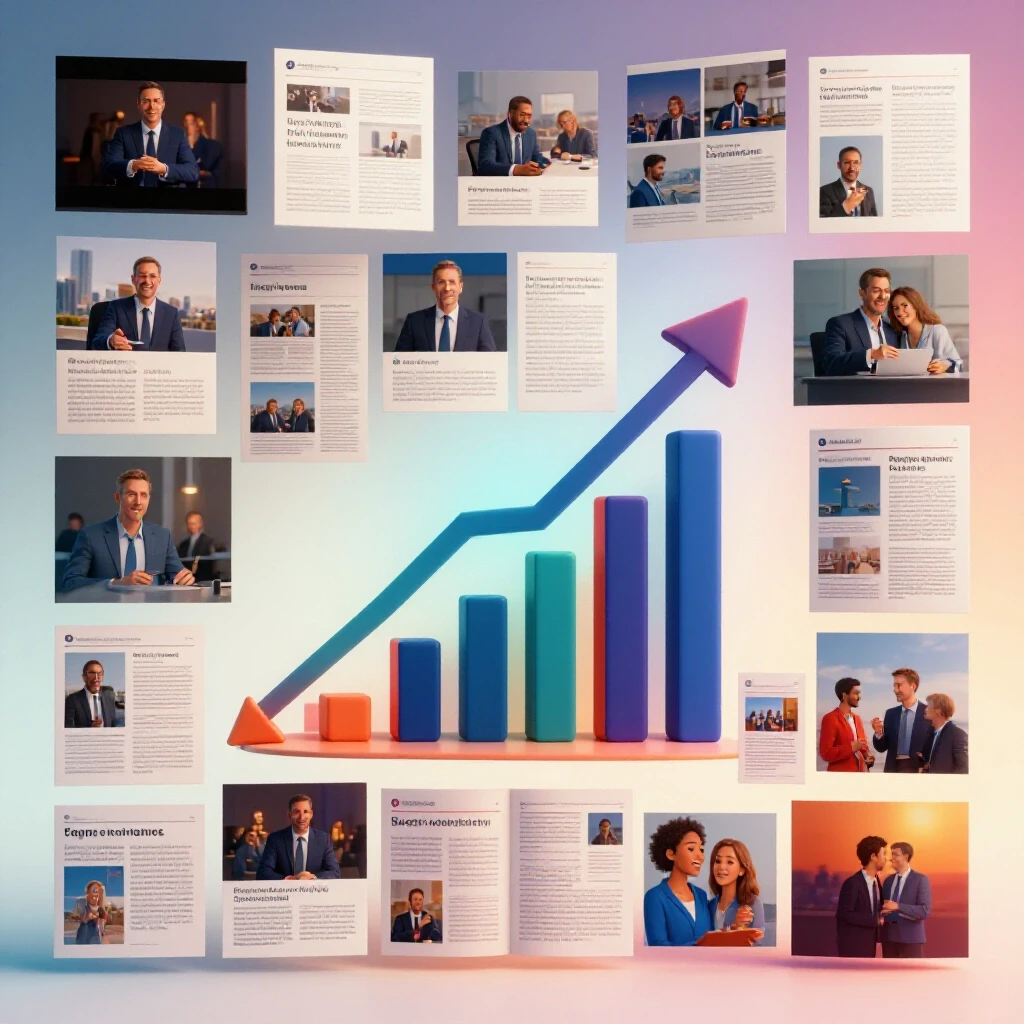
This strategy involves taking a core professional insight and adapting its format to suit different social environments. It ensures your best ideas reach a wider audience without requiring constant new brainstorming sessions. By breaking down a single “anchor” post into smaller, more digestible pieces, you can fill a weekly schedule with proven value.
When I worked with a specialized consultant in the renewable energy sector, she had a single, 1,200-word white paper she had written for a conference. We didn’t just post the link and hope for the best. We spent a month breaking that paper down into ten different LinkedIn posts and five Instagram carousels. This allowed her to stay top-of-mind for six weeks using only the work she had already completed.
| Metric Category | Superficial Engagement Hacks | Trust-Based Professional Metrics |
|---|---|---|
| Primary Goal | Viral reach and high “like” counts | Credible authority and lead generation |
| Content Longevity | High volume, low shelf-life | Low volume, high re-usability |
| Audience Type | General public / “Followers” | Industry peers and decision-makers |
| Success Indicator | Number of comments | Quality of inbound DMs and profile visits |
| Time Investment | 10+ hours weekly (constant creation) | 2–4 hours weekly (strategic adaptation) |
Why Over-Hyped Brand Styles Fail Professionals
Many growth hacks prioritize volume over value, which can damage a professional reputation. A more grounded approach focuses on the longevity of high-quality content rather than the fleeting nature of viral trends. For a founder or executive, looking “desperate” for engagement is a significant risk that can erode the very trust they are trying to build.
Academic research on digital trust suggests that professional credibility is built through consistency and competence. When an executive uses “clickbait” titles or aggressive engagement tactics, it creates a cognitive dissonance for the reader. The reader expects a seasoned leader but sees a social media performer. A sustainable authority-building strategy avoids this by focusing on the steady distribution of evidence-based insights.
The Workflow for Extending Professional Content Lifespan
A structured process for identifying high-performing posts and reformatting them for new contexts is essential for busy leaders. This reduces the weekly time commitment while maintaining a consistent, high-quality presence on platforms like LinkedIn and Instagram. The goal is to maximize the “return on effort” for every piece of intellectual property you share.
- The Audit: Every month, look at your previous posts. Identify which ones sparked a conversation or received a thoughtful comment from a peer.
- The Extraction: Take a single point from a successful post and expand it into its own standalone update.
- The Visual Shift: Take a text-heavy insight from LinkedIn and turn it into a clean, professional graphic or a short video for Instagram.
- The Perspective Flip: Take a post where you shared a “how-to” and rewrite it as a “why-this-matters” reflection for a different audience segment.
Adapting Executive Insights for LinkedIn and Instagram
Each social platform has a unique “language” and audience expectation. Success comes from translating the same core message into the specific visual or textual format that resonates most effectively on each channel. While LinkedIn favors professional context and industry trends, Instagram allows for a more “behind-the-scenes” look at leadership and company culture.
On LinkedIn, B2B thought leadership thrives on nuance and data. A post about market shifts can be repurposed into an Instagram story that highlights your personal reaction to those shifts. This doesn’t mean being “unprofessional” on Instagram; it means being more human. This “human element” is a key driver of trust in digital spaces, as it allows your network to see the person behind the title.
Managing Repurposed Content Without Looking Repetitive
Reputation management involves ensuring that your digital presence remains fresh even when you are recycling core themes. The key is to change the “hook” or the opening sentence of your content. By shifting the entry point, you can present the same valuable lesson to people who may have missed it the first time or who need to hear it in a different way to truly understand it.
- Change the Format: Turn a list of three tips into three separate, deep-dive posts.
- Update the Context: Take an old insight and apply it to a current news event in your industry.
- Use Client Questions: If a client asks a question about a post you wrote six months ago, use that question as the new intro for the same content.
- The “Best Of” Strategy: Once a quarter, recap your most impactful insights in a single summary post.
Measuring the ROI of Sustainable Content Distribution
Tracking the success of a repurposing strategy requires looking beyond likes to see how content influences professional opportunities. Key indicators include profile visits from target industries and the quality of inbound inquiries. For an executive, a single comment from a potential partner is worth more than a thousand likes from strangers.
I recommend my clients spend no more than 2 to 4 hours per week on their digital presence. Within this timeframe, the focus should be on a 70/30 split: 70% of the time spent adapting and scheduling existing insights, and 30% of the time spent engaging in meaningful conversations in the comments or DMs.
| Activity | Target Frequency | Success Benchmark |
|---|---|---|
| Repurposed Posts | 2–3 times per week | 5% profile visit growth monthly |
| Peer Engagement | 15 minutes daily | 2–3 high-value DMs per month |
| Profile Optimization | Quarterly Review | 10%+ conversion from visit to follow |
| Content Refresh | Monthly | Reduced time spent on “new” ideas |
Essential Tools for Managing a Reputation-First Digital Presence
Using the right software allows busy professionals to maintain a consistent schedule without it becoming a full-time job. These tools help organize assets, schedule posts in advance, and track engagement trends. For an executive, the goal of these tools is automation that supports, rather than replaces, their authentic voice.
- Buffer or Shield: These tools allow you to schedule LinkedIn posts in advance and see which of your “old” posts performed best so you can plan their next iteration.
- Canva for Enterprise: Useful for creating professional, on-brand templates that allow you to quickly turn text into visuals for Instagram.
- Notion or Trello: A simple way to store your “Content Bank.” This is a library of your best thoughts, categorized by theme, so you can easily pull them out and re-use them later.
- AuthoredUp: A specific tool for LinkedIn that helps you preview how your posts will look to ensure they maintain a professional aesthetic.
Avoiding Common Rookie Mistakes in Content Adaptation
Even seasoned professionals can fall into traps when trying to be more efficient with their digital presence. One major mistake is “cross-posting” the exact same text and image to every platform at the same time. This looks automated and impersonal. Instead, stagger your posts—share on LinkedIn on Tuesday and a modified version on Instagram the following Monday.
Another error is losing the “professional edge” in an attempt to be “relatable.” Vulnerability is a powerful tool for building trust, but for an executive, it must always be paired with a professional takeaway. Sharing a failure is only valuable to your brand if you also share the leadership lesson you learned from it. This keeps your reputation grounded in competence.
Evaluating Brand Equity Through Qualitative Trust Metrics
Digital lead conversion for consultants and executives rarely happens through a direct “buy now” button. It happens through a series of small trust-building moments. This is why qualitative metrics are so important. Are people in your industry mentioning your posts during real-world meetings? Are you being invited to speak on panels because of a specific topic you’ve been consistently discussing?
When you repurpose your best work, you are effectively “pounding the pavement” in a digital sense. You are ensuring that your most important professional pillars are seen multiple times by the people who matter most. This consistency creates a sense of reliability. In the world of high-stakes consulting and corporate leadership, reliability is the ultimate currency.
Next Steps for Building Sustainable Authority
Building a credible voice online does not require you to become a content machine. It requires you to be a strategic curator of your own expertise. Start by looking at your last three months of activity. Which post felt the most “you”? Which one generated a real conversation? Take that one piece of content and commit to re-imagining it in three different ways over the next two weeks.
- Identify your “Anchor”: Find one high-performing industry insight you’ve already shared.
- Choose your Secondary Platform: If you are active on LinkedIn, pick Instagram as your “adaptation” channel.
- Schedule the Re-runs: Use a scheduling tool to place these adapted pieces into your calendar for the coming month.
- Monitor the Quality: Focus on the depth of the comments you receive rather than the quantity.
Frequently Asked Questions
Will my audience get bored if I repeat my ideas? No. Most people need to hear a message multiple times before it sinks in. Furthermore, the algorithms on LinkedIn and Instagram ensure that only a fraction of your followers see any single post. By the time someone sees an idea for the third time, they are more likely to view you as an expert on that topic rather than someone who is repeating themselves.
How do I know which content is worth repurposing? Look for “signals of interest.” These are not just likes, but thoughtful comments, questions from clients, or posts that you find yourself referring back to in meetings. If an idea has helped one person in real life, it is worth reformatting and sharing multiple times online.
Is it unprofessional to use scheduling tools? Not at all. In fact, using tools to maintain a consistent presence shows a level of professional organization. The key is to ensure the content itself is authentic. Scheduling allows you to post at optimal times for your audience without having to be glued to your phone during the workday.
How much should I change a post before sharing it again? You should aim for a 30% to 50% change. This usually means rewriting the headline, using a different image or video, and perhaps changing the “call to action” at the end. The core insight remains the same, but the “packaging” is new.
What is the best ratio of new content to repurposed content? For a busy executive, a ratio of 40% new content to 60% repurposed content is often the most sustainable. This allows you to stay current with industry shifts while leaning on your established “pillars” of expertise to maintain volume.
Does this strategy work for Instagram if I am a B2B professional? Yes. Instagram is increasingly used for “professional discovery.” While the tone is more visual, the goal remains the same: building trust. Repurposing your LinkedIn insights into visual carousels or short “talking head” videos can introduce your expertise to a different segment of your professional network.
How long does it take to see results from this approach? Building deep trust and authority is a “slow-burn” process. Most professionals see a noticeable shift in the quality of their network interactions within three to six months of consistent, strategic distribution.
What if my industry is very conservative? In conservative industries, the “reputation-first” approach is even more critical. By focusing on repurposing high-quality, evidence-based insights rather than chasing trends, you maintain the decorum expected in your field while still benefiting from digital visibility.
Can I delegate the repurposing process to an assistant? You can delegate the formatting and scheduling, but the “voice” must remain yours. I recommend reviewing every adapted post to ensure the nuance of your professional opinion hasn’t been lost in translation.
What should I do if a repurposed post performs poorly? Don’t be discouraged. Sometimes the timing or the “hook” just didn’t land. Analyze why it might have missed the mark—was the headline too vague? Was the image low quality?—and try a different adaptation a few months later.
How do I track if this is actually helping my business? The best way is to ask. When a new lead or contact reaches out, ask them: “What specifically made you decide to get in touch?” If they mention a topic you’ve been consistently posting about, you know your system is working.
(This article was written by one of our staff writers, Alexander Voss. Visit our Meet the Team page to learn more about the author and their expertise.)