How to Automate Marketing Tasks for Better Social Media Results (Guide)
According to a recent report by the American Marketing Association, nearly 60% of a marketer’s time is spent on administrative and repetitive tasks rather than strategy or creative development. In my 15 years as a social media marketing consultant, I have felt the weight of that statistic firsthand. Early in my career, I managed over 60 client accounts across various agencies, and the sheer volume of manual data entry and post-scheduling nearly led me to leave the industry entirely. I realized that to build a sustainable independent consulting practice, I had to stop trading every minute of my life for a dollar and start implementing systems that could handle the heavy lifting.

Transitioning to a freelance career is often billed as a path to freedom, but without operational efficiency, it can quickly become a prison of your own making. I have navigated the physical and emotional shifts of leaving a stable agency role to strike out on my own, and I have learned that the difference between a struggling freelancer and a successful consultant lies in how they manage their workflows. By moving away from hands-on execution for every minor task, I regained the mental bandwidth needed to mentor junior marketers and provide high-level strategy to my clients.
Why Operational Efficiency is the Bedrock of a Social Media Consulting Career
Operational efficiency refers to the ability to deliver high-quality marketing services using the least amount of manual effort and resources possible. For a consultant, this means using software to handle repetitive actions like data collection or post-distribution so you can focus on client strategy and business growth.
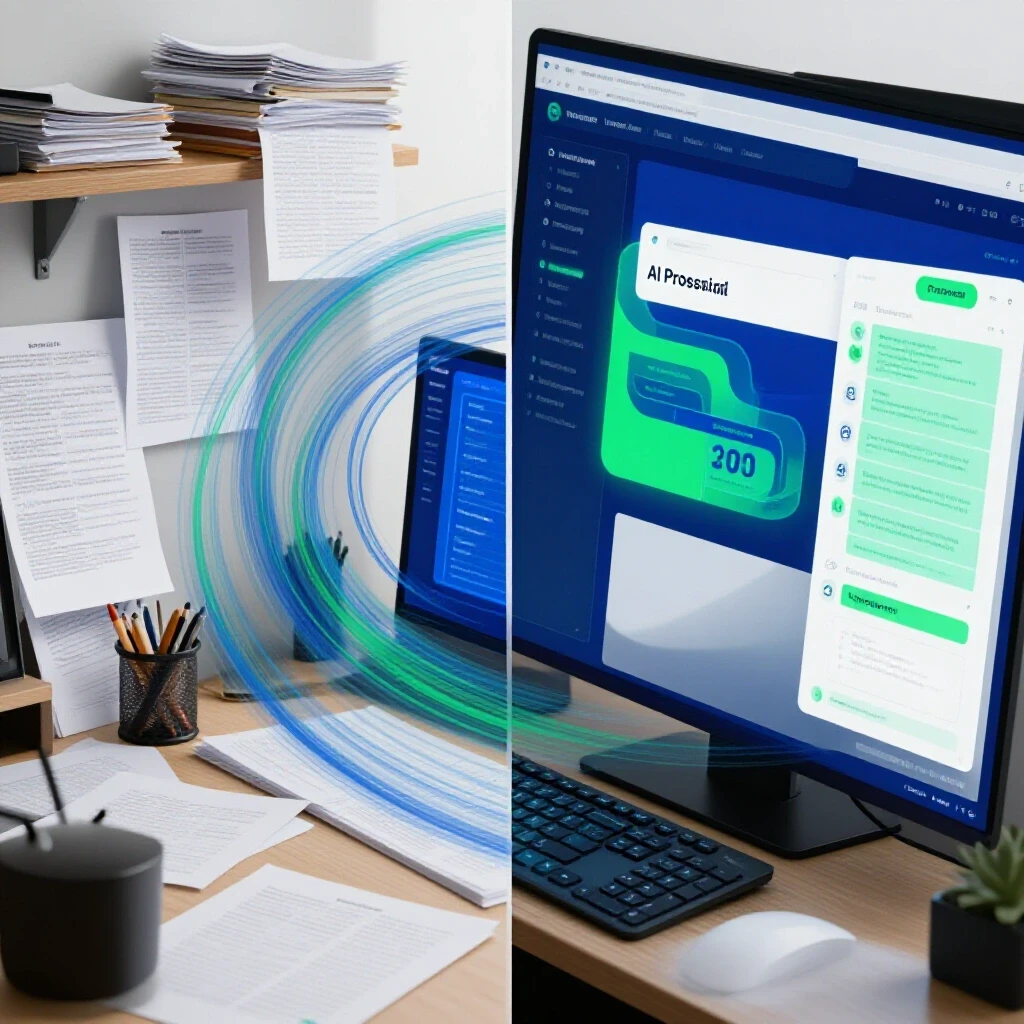
When I first started my independent marketing consultant journey, I was terrified of “losing the personal touch.” I thought that if I wasn’t manually typing out every report or clicking “publish” on every post, I wasn’t providing value. I was wrong. My clients didn’t care about my manual labor; they cared about the results. Interestingly, once I moved toward automated reporting and scheduling, my client satisfaction scores actually increased because the data was more accurate and the delivery was more consistent.
Building a stable career requires a shift in mindset from “worker” to “owner.” If you are spending five hours a week manually pulling numbers from Facebook Insights into an Excel sheet, you are losing five hours of potential lead acquisition or high-level consulting time. In my practice, I now use these reclaimed hours to refine my freelance pricing strategy and vet new opportunities more thoroughly.
The Financial Impact of Manual vs. Systemic Workflows
To understand why this shift matters, you have to look at your Effective Hourly Rate (EHR). This is the total fee of a project divided by the actual hours you spent working on it. If you charge $2,000 for a monthly retainer but spend 40 hours on manual tasks, your EHR is $50. If you use systems to cut those hours to 20, your EHR jumps to $100.
- Manual Reporting: 4 hours per client/month.
- Automated Reporting: 15 minutes per client/month.
- Manual Scheduling: 6 hours per client/month.
- Systemic Batching/Scheduling: 2 hours per client/month.
Strategic Pricing Frameworks for the Modern Independent Marketing Consultant
Pricing frameworks are the structures you use to determine how much a client pays for your expertise and services. These can range from hourly rates and project-based fees to value-based pricing or monthly retainers that provide a steady, predictable income stream for your consulting business.
Negotiating client contracts is one of the most stressful parts of being a freelancer. I remember a specific instance where I underpriced a major retail account because I was afraid of losing the deal. I spent six months working for what amounted to less than minimum wage because I hadn’t accounted for the manual engagement they demanded. That experience taught me to build “system costs” into my pricing.
Now, I use a Project Pricing Framework that accounts for the tools I use. If a tool costs me $50 a month but saves me 10 hours of work, that tool is a profit multiplier. I don’t hide these tools from clients, but I don’t itemize them either. I sell the outcome, not the hours.
Project Pricing Frameworks Comparison
| Pricing Model | Pros | Cons | Best For |
|---|---|---|---|
| Hourly Rate | Simple to track; covers all time spent. | Penalizes efficiency; limits income ceiling. | Short-term troubleshooting. |
| Project-Based | Clear boundaries; rewards fast work. | High risk if scope creep occurs. | One-off audits or setups. |
| Monthly Retainer | Predictable income; builds long-term ties. | Requires strict boundary management. | Ongoing social media management. |
| Value-Based | Highest profit potential; aligns with ROI. | Hard to quantify for new consultants. | High-level strategy for large brands. |
Defending Your Profitability Against Client Scope Creep
Client scope creep is the gradual expansion of a project’s requirements beyond what was originally agreed upon in the contract. It often happens through small, seemingly “quick” requests that, when added up, significantly reduce your profit margins and increase your stress levels and workload.
In my consulting archives, I have a folder dedicated to “The Never-Ending Project.” It was a client who started with a simple social media strategy but eventually asked for “just one more” email blast, then a website update, then live event coverage. Because I hadn’t established hard project scope boundaries, I felt obligated to say yes. I was drowning in manual work that I wasn’t getting paid for.
To fix this, I implemented a strict out-of-scope pricing schedule. Every contract I sign now includes a clause that defines exactly what is included and what costs extra. If a client asks for a task that isn’t in the agreement, I send a polite note: “I’d love to help with that! Since it’s outside our current scope, here is the add-on fee for that service.” This protects my time and ensures the social media consulting career I’ve built remains profitable.
Scope Creep Financial Impact Estimator
- Additional “Quick” Post: $75 per instance.
- Extra Monthly Meeting: $150 per hour.
- Weekend Engagement Monitoring: $250 per weekend.
- Unplanned Content Revision: $100 per round after the first two.
Identifying High-Value Clients and Red Flags
Client vetting is the process of evaluating a potential client’s budget, communication style, and expectations before signing a contract. It is a critical step for independent marketers to ensure they are working with partners who respect their expertise and their established operational systems.
During my transition to independent consulting, I learned that not all money is good money. I once took on a client who had a massive budget but refused to use my project management software. They insisted on sending every request via individual text messages at 10:00 PM. The manual labor of tracking those texts and moving them into my system was a nightmare.
Now, I look for “system-ready” clients. These are businesses that understand the value of automated workflows and are willing to work within my established communication channels. If a prospect pushes back on using a client portal or an automated onboarding flow during the sales process, it is a major red flag.
Client Red-Flag Warning Signs
- Vague Goals: “We just want to go viral” usually leads to endless manual revisions.
- Communication Chaos: Insisting on using personal WhatsApp or SMS for business.
- Budget Sensitivity: Asking for discounts on the first call often precedes high demands.
- Lack of Internal Process: If they don’t have a clear approval chain, your work will stall.
Navigating the Marketing Consultant Career Transition with Systems
A career transition in marketing involves moving from a structured agency or corporate role into a self-employed or freelance capacity. This shift requires not only a change in daily tasks but also a complete overhaul of how you manage your professional development, finances, and time.
Leaving the agency world was a physical and emotional shift. I went from having a team of specialists to being the CEO, CMO, and janitor of my own business. The isolation of independent consulting can be heavy, especially when you are used to the buzz of a creative office. I found that by automating the “boring” parts of my business, I had more time to network and join professional communities, which helped ease that transition.
I often mentor junior marketers who are afraid to make the jump because they don’t know how to handle the “business” side. They worry about invoicing, contract negotiation, and client acquisition. My advice is always the same: build your systems before you need them. Don’t wait until you have 10 clients to figure out how to automate your billing.
Steps for a Successful Independent Transition
- Audit Your Current Tasks: Identify what you do every day that a machine could do.
- Set Your Baseline Rate: Use industry salary reports to ensure your pricing is competitive.
- Draft Your Standard Contract: Include clear sections on scope, late fees, and termination.
- Select Your Tech Stack: Choose tools that integrate with each other to reduce manual data entry.
- Build a Financial Buffer: Aim for 3–6 months of expenses to handle client acquisition dry spells.
The Tools That Power a Scalable Consulting Practice
A digital marketing tech stack is a collection of software applications used by consultants to manage, execute, and measure their marketing efforts. For a solo consultant, the right stack acts as a virtual assistant, handling everything from lead capture to final reporting.
I no longer spend my Sunday nights scheduling posts for the week. I use tools that allow me to batch-create content and then automatically distribute it across platforms. Similarly, my invoicing is handled by a system that sends reminders to clients who are late on payments. This prevents the awkward manual “Where is my money?” emails that used to keep me up at night.
Here are the specific categories of tools I use to maintain a stable, profitable consulting career:
- Proposal and Contract Generators: Tools like HoneyBook or Bonsai allow me to send professional, legally binding contracts in minutes.
- Project Management Platforms: I use Trello or Asana to keep client tasks organized and transparent, reducing the need for “status update” meetings.
- Automated Reporting Dashboards: Software like Looker Studio or AgencyAnalytics pulls data from social platforms into a beautiful report automatically.
- Social Media Scheduling: Platforms like Buffer, Sprout Social, or Loomly handle the distribution of content so I don’t have to be online 24/7.
- Digital Invoice and Payment Flows: Stripe or QuickBooks ensures I get paid on time without having to manually track bank transfers.
Measurable Gains from Operational Streamlining
Measuring the results of your systemic changes is essential for validating your business model. This involves tracking metrics like time saved, increase in EHR, and the reduction in client churn due to better service delivery.
In one case study from my own practice, I worked with a mid-sized e-commerce brand. Initially, I spent 12 hours a month just on community management and manual engagement. By implementing a social listening tool and an automated lead capture system, I reduced my manual time to 3 hours a month. The client saw a 20% increase in lead conversion because the system responded faster than I ever could manually.
This isn’t about being lazy; it’s about being effective. When you stop doing the manual work, you can start doing the “big” work. For me, that meant finally having the time to write a book and develop a mentorship program for the next generation of social media consultants.
Actionable Benchmarks for Your Practice
- Standard Notice Period: 30 days for contract termination to ensure a smooth handoff.
- Average Deposit: 50% upfront for project-based work; 100% upfront for the first month of a retainer.
- Client Onboarding Time: Should take no more than 90 minutes of your manual time with a proper checklist.
- Retainer Duration: Aim for 6–12 month contracts to ensure long-term stability.
Building a Sustainable Future as a Consultant
The social media landscape is constantly evolving, and the tasks we do today may not exist in five years. However, the need for strategic thinking and relationship management will never go away. By delegating the repetitive, manual elements of your work to systems, you are future-proofing your career.
I have seen many talented marketers burn out because they couldn’t stop being “the doer.” They stayed stuck in mid-level agency roles or struggled as freelancers because they were too busy with the “grind” to see the “growth.” My 15 years in this industry have taught me that the most successful consultants are the ones who value their time as much as their talent.
If you are currently feeling the strain of client scope creep or the stress of balancing delivery with acquisition, start small. Pick one manual task this week—maybe it’s your monthly reporting or your lead tracking—and find a way to automate it. The results will speak for themselves in your bank account and your peace of mind.
FAQ: Navigating Professional Marketing Systems
How do I explain to a client that I am using automated tools? You don’t need to explain the “how” as much as the “why.” Frame it as a benefit to them: “I use industry-leading software to ensure your data is 100% accurate and your content is delivered at the optimal times for your audience.” This positions you as a professional who invests in the best technology for their success.
Will automation make my social media consulting career feel less personal? On the contrary, it frees you up to have more meaningful, high-level conversations with your clients. Instead of talking about why a post was five minutes late, you can talk about how their social strategy is driving their overall business goals.
What is a realistic effective hourly rate (EHR) for a mid-level consultant? Based on industry reports, many independent consultants aim for an EHR between $125 and $250. If your manual tasks are dragging your EHR below $75, it is time to audit your processes and implement more efficient systems.
How do I handle a client who insists on manual work? If a client demands manual tasks that fall outside your efficient workflow, you must charge a premium for it. This is “boutique” service. If they aren’t willing to pay the higher rate, they may not be the right fit for a scalable consulting practice.
What should I include in a client onboarding confirmation checklist? Your checklist should include: signed contract, received deposit, access to all social media accounts, brand guidelines, primary point of contact, and a scheduled “kick-off” strategy call. Automating this flow ensures you never miss a step.
How often should I review my freelance pricing strategy? I recommend a full review every six months. Look at your EHR, your current tool costs, and the latest industry salary reports from organizations like the American Marketing Association to ensure you aren’t leaving money on the table.
Is it possible to automate lead acquisition for my own consulting business? Yes. You can use LinkedIn automation tools (carefully), set up an automated email sequence for people who download a lead magnet on your site, or use targeted ads to drive prospects to a booking calendar like Calendly.
What do I do if an automated tool fails or makes a mistake? Always have a “human-in-the-loop” check. Systems handle the heavy lifting, but you are the pilot. Spend 15 minutes a day doing a “system check” to ensure everything is running smoothly. Transparency with the client is key if a major error occurs.
How do I transition from an agency role to independent consulting without losing my mind? Start by building your “side” systems while you still have the agency salary. Get your tech stack, contract templates, and first two or three clients lined up before you give your notice. This reduces the financial anxiety of the transition.
What is the best way to stop client scope creep before it starts? Set clear boundaries during the proposal stage. Use a “Services Not Included” section in your contract. When you show a client that you have a professional process for handling extra work, they are less likely to try and sneak in free tasks.
(This article was written by one of our staff writers, Scott Davidson. Visit our Meet the Team page to learn more about the author and their expertise.)