How to Recover From a Fake Follower Purge (Step-by-Step Guide)
I remember sitting in a high-stakes meeting three years ago, staring at a screen that showed a 15% drop in total follower count over a single weekend. My stomach dropped as the CMO leaned forward, asking why our “community” was shrinking so fast. I had spent weeks preparing for this moment, but the data was finally clear: while our total numbers were down, our actual reach among real customers was climbing for the first time in months. This was my “aha” moment. I realized that a bloated, inauthentic audience acts like an anchor on a brand’s digital health. By moving past the vanity of large numbers, we finally unlocked the algorithmic visibility we had been fighting for.

Analyzing the Impact of Audience Refinement on Engagement Metrics
Audience refinement involves the systematic shift in account data that occurs after removing inactive or inauthentic profiles from a follower list. This process highlights how a smaller, more active group can trigger better distribution through platform algorithms. It focuses on the relationship between follower quality and the signals that drive organic reach.
When I first started managing recovery campaigns, I noticed a recurring pattern. Brands with high follower counts often suffered from a “reach ceiling.” This happens because platforms like Instagram or LinkedIn test your content on a small percentage of your followers first. If that initial group is composed of inactive or bot accounts, they won’t engage. The algorithm then assumes your content is low quality and stops showing it to the rest of your audience. This is a classic engagement drop resolution scenario where the problem isn’t the content, but the audience it is being served to.
The primary outcome of a cleaner audience is an immediate boost in your engagement rate. If you have 100,000 followers and 1,000 engage, your rate is 1%. If you refine that list to 50,000 and the same 1,000 engage, your rate jumps to 2%. While the number of likes stayed the same, the platform now sees your account as twice as effective. This often leads to an algorithmic penalty diagnosis that proves the “penalty” was actually just a lack of interest from a dead audience.
Understanding Reach Velocity and Distribution Changes
Reach velocity measures how quickly your content spreads across a platform immediately after posting. It is a critical metric for audience reach recovery because it determines whether a post will “trend” or die in the feed. High velocity signals to the platform that your content is relevant to your current followers.
After an audience cleanup, you will likely see a shift in where your impressions come from. In my experience, “Home” feed impressions might stay steady, but “Explore” or “Suggested” reach often increases. This occurs because the platform’s recommendation engine finally has a clear “seed audience” to analyze. When your followers are real people with consistent interests, the algorithm can more accurately predict who else might like your brand.
- Initial Reach: Content is shown to a 5-10% sample of your followers.
- Engagement Signal: Real users like, save, or share the post within the first 30 minutes.
- Secondary Distribution: The platform pushes the post to a wider audience based on those signals.
- Discovery Phase: The post enters non-follower feeds, driving new growth.
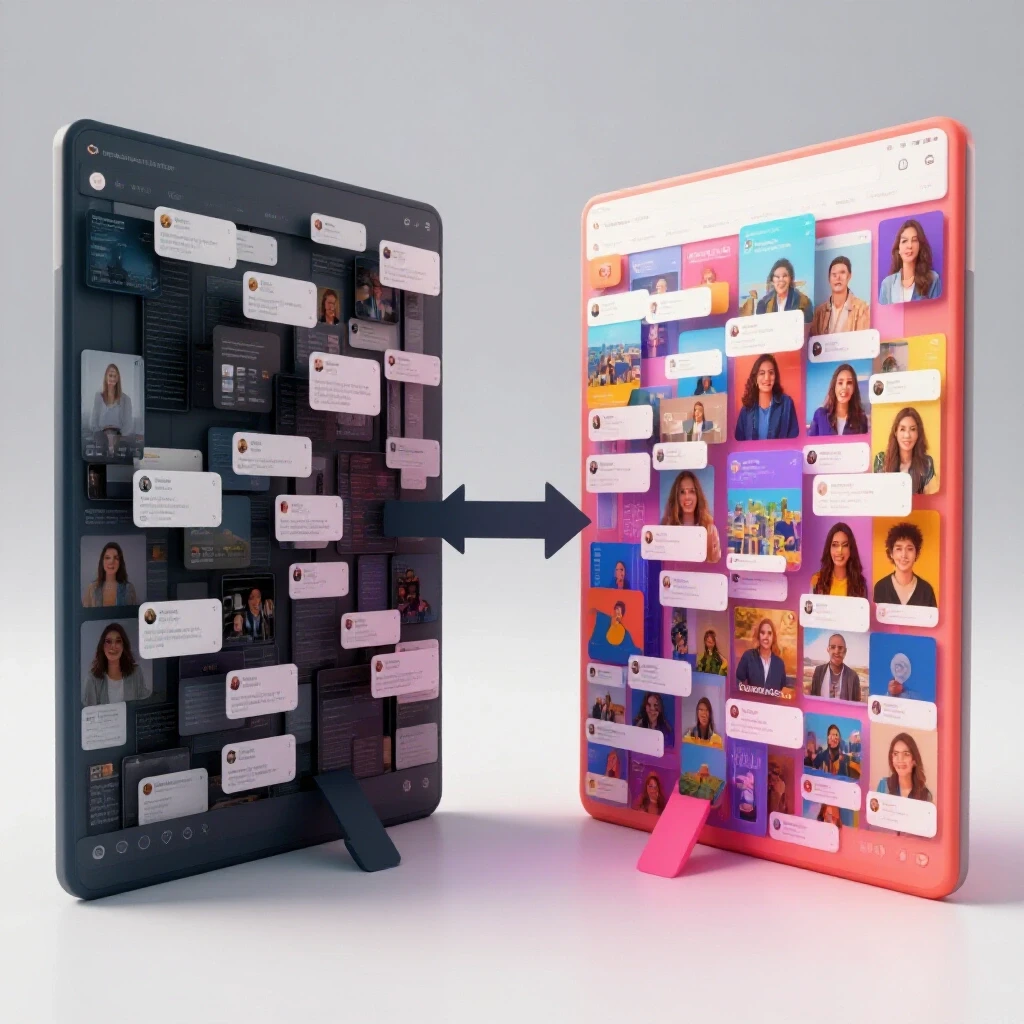
| Metric | Before Audience Refinement | After Audience Refinement |
|---|---|---|
| Total Follower Count | 500,000 | 410,000 |
| Average Engagement Rate | 0.8% | 2.4% |
| Reach per Post | 15,000 | 28,000 |
| Ad Cost per Click (CPC) | $1.45 | $0.95 |
| Sentiment Score | Neutral/Low | High/Positive |
Formulating a Root Cause Recovery Plan for Reach Stagnation
A root cause recovery plan is a structured approach to identifying why an account has stopped growing or why engagement has plummeted. It involves looking beyond surface-level metrics to find technical or policy-based triggers. This plan serves as a roadmap for rebuilding brand reputation recovery and restoring account health.
When a brand faces a sudden social media shadowban, the instinct is to panic and post more content. I have found that the opposite is often more effective. You must first diagnose whether the issue is “technical” (a policy violation) or “behavioral” (audience fatigue). If your reach has dropped by more than 50% overnight without a change in content style, you are likely facing a platform-level restriction.
I once worked with a retail brand that saw their impressions vanish after a controversial campaign. We had to conduct a deep-dive audit to see if our account was being suppressed. We checked the “Account Status” tools provided by the platforms and analyzed our report-to-view ratios. By identifying that a high number of user reports had triggered an automated filter, we were able to stop guessing and start fixing.
Identifying Algorithmic Penalty Triggers and Policy Violations
Algorithmic penalties are automated restrictions placed on an account when it violates community guidelines or displays “bot-like” behavior. These penalties, often called shadowbans, result in search suppression and limited feed visibility. Understanding these triggers is essential for any engagement drop resolution strategy.
Platforms use complex content moderation thresholds to keep users safe. If your account has a history of high-volume unfollowing, rapid-fire commenting, or using banned hashtags, the system flags you as a risk. These flags stay on your internal “trust score” for months. In my recovery work, I emphasize that these scores are not permanent, but they do require a period of “clean” behavior to reset.
- Content Filtration: Posts containing prohibited keywords are automatically hidden from non-followers.
- User Report Spikes: A sudden surge in “spam” or “inappropriate” reports triggers a manual or AI review.
- Engagement Baiting: Asking for likes or tags in a way that feels unnatural can lead to reach throttling.
- Inauthentic Activity: If the platform detects a mismatch between your follower growth and engagement, it may limit your visibility.
Communicating Recovery Metrics to Upper Management
Stakeholder communication involves translating complex technical data into business terms that executives can understand. It focuses on explaining why a temporary drop in vanity metrics, like follower count, is necessary for long-term growth. This process helps manage expectations during a brand reputation recovery phase.
One of the hardest parts of my job is explaining to a CEO why losing 50,000 followers is a good thing. I use a “Quality over Volume” framework. I show them that while the “storefront” looks smaller, the “foot traffic” inside is actually buying more. If you don’t communicate this early, management may see the decline as a failure of your strategy rather than a necessary step in account rehabilitation.
I recommend using a Trust Recovery Phase Timeline. This visual aid shows that recovery happens in stages. You don’t just “fix” a shadowban; you earn back the platform’s trust through consistent, high-quality interactions. This helps lower the stress of the team and gives the agency room to work without constant pressure for “instant” results.
Building a Data-Backed Transparency Framework
A transparency framework is a reporting structure that highlights the health of an account rather than just the size. It uses metrics like engagement-to-reach ratios and sentiment indices to prove that the brand is rebuilding its connection with real people. This framework is vital for audience crisis management.
When I present these reports, I focus on “Efficiency Metrics.” For example, I might show that our ad spend is now 30% more effective because we aren’t targeting “ghost” accounts. I explain that the algorithmic penalty diagnosis we conducted revealed a bottleneck, and by clearing it, we have paved the way for sustainable growth. This shifts the conversation from “why are we losing followers” to “how are we gaining more value.”
- Define the Baseline: Show where the account stood before the crisis or cleanup.
- Identify the “Dead Weight”: Quantify the number of inactive or harmful accounts removed.
- Highlight the Efficiency Gain: Show the increase in reach per 1,000 followers.
- Project the Recovery Timeline: Give a realistic 3-to-6-month window for full restoration.
Executing a Community-Facing Recovery Sequence
A community recovery sequence is a strategic series of content and interactions designed to rebuild trust with your core audience. It focuses on authentic engagement, transparency, and providing value to the real people who remain after a cleanup. This phase is the heart of audience reach recovery.
After the “purge” of inauthentic accounts, the remaining audience might feel a shift in the community’s energy. I have found that this is the best time to lean into “human” content. We stop using overly polished, corporate language and start asking questions. I once managed a recovery for a tech brand where we spent two weeks just replying to every single comment. This high-touch approach signaled to the algorithm that our account was a hub of real human activity.
This is also the time to adjust your creative strategy. If the data shows that your real followers prefer video over static images, pivot immediately. Use the “clean” data you now have to double down on what works. Since you are no longer distracted by the “noise” of fake engagement, your content performance metrics will be much more accurate.
Adjusting Creative Strategy for Real Human Interaction
Creative strategy adjustment involves changing the tone, format, and frequency of content to better serve a verified, active audience. It moves away from “broadcast” style posting toward “conversational” marketing. This shift is a key component of engagement drop resolution and long-term brand safety.
In my years of operations, I’ve seen that real people crave authenticity over perfection. After an account setback, I often suggest a “Behind the Scenes” series or a “Meet the Team” campaign. These formats are harder for bots to interact with but very easy for real fans to engage with. It helps solidify the brand safety validation protocols by showing the platform that your community is genuine.
- Interactive Polls: Use these to gather data on what your real audience wants to see next.
- Live Sessions: Real-time video is one of the best ways to prove “human” presence to an algorithm.
- User-Generated Content: Sharing posts from real customers builds social proof and trust.
- Long-form Captions: Encourage deeper reading time, which is a positive signal for many feed algorithms.
Implementing Ongoing Account Audits and Risk Mitigation
Ongoing account audits are regular health checks performed to ensure that an account remains free of inauthentic activity and policy violations. This proactive approach helps prevent future reach stagnation and ensures long-term brand protection. It is a continuous cycle of monitoring, analyzing, and adjusting.
I tell my clients that brand protection is not a one-time event; it is a lifestyle. You wouldn’t clean your house once and expect it to stay clean forever. I set up monthly “Health Checks” where we look for sudden spikes in follower growth that don’t match our marketing efforts. If we see a suspicious surge, we investigate immediately. This prevents the “bloat” from returning and keeps our engagement rates high.
Using sentiment monitoring software is also a key part of this process. We track the “mood” of the comments section. If we see a rise in negative sentiment or spammy links, we act fast. This level of detail-oriented management is what separates a resilient brand from one that collapses under the weight of an algorithmic penalty.
Utilizing Professional Diagnostic and Monitoring Tools
Professional diagnostic tools are specialized software or platform interfaces used to track account health and detect anomalies. These tools provide the data necessary for an accurate algorithmic penalty diagnosis. They allow specialists to see the “why” behind the “what” in their social media metrics.
In my toolkit, I rely on several specific resources to keep accounts running smoothly. These aren’t “magic” fixes, but they provide the visibility needed to make informed decisions. For anyone managing high-visibility accounts, having a clear view of your backend data is non-negotiable.
- Platform Native Insights: Always start with the primary data from Instagram, LinkedIn, or X.
- Sentiment Analysis Platforms: Tools like Brandwatch or Sprout Social help track audience mood.
- Account Status Dashboards: Native tools that show if your content is eligible for recommendation.
- Reach Tracking Calculators: Spreadsheets we use to track reach velocity and engagement variance over time.
Conclusion: The Path to Sustainable Digital Resilience
Recovering from an engagement drop or an audience crisis is a marathon, not a sprint. My 14 years in the field have taught me that the most resilient brands are the ones willing to face the truth about their data. When you stop chasing vanity metrics and start focusing on the quality of your connections, the platforms eventually reward you.
The road to audience reach recovery requires patience, a data-driven mindset, and the courage to communicate difficult truths to leadership. By following a systematic diagnostic workflow and executing a human-centric recovery plan, you can restore your account’s reach and build a more loyal, engaged community than ever before. Start by looking at your “Reach per Follower” metric today—it’s the first step toward understanding the true health of your brand.
FAQ: Navigating Audience Recovery and Algorithmic Health
How long does it typically take to see reach return after an audience cleanup?
In my experience, you should expect a rehabilitation period of 30 to 90 days. The first 5-15 business days are usually spent in a “calibration” phase where reach may remain low as the algorithm adjusts to the new audience size. By the second month, if you are posting high-quality content consistently, you should see reach velocity begin to climb.
Will removing a large number of followers cause a permanent shadowban?
No, removing inauthentic or inactive followers does not cause a shadowban. In fact, it is often the cure for one. A shadowban is typically triggered by policy violations or spammy behavior. Cleaning your list improves your engagement-to-follower ratio, which is a positive signal to the platform’s trust scoring system.
How can I tell the difference between a shadowban and a natural engagement drop?
A social media shadowban usually results in a sudden, 50-90% drop in reach from non-followers (Explore/Hashtags), while your followers can still see your posts. A natural engagement drop is usually more gradual and affects both followers and non-followers equally, often due to seasonal trends or a shift in content quality.
What is a “Trust Score” and how do I improve mine?
While platforms don’t publicly show a “Trust Score,” they use internal metrics to rank accounts. You can improve this by having a high ratio of “meaningful social interactions” (comments, shares, saves), avoiding rapid automated actions, and ensuring your content is never flagged for community guideline violations.
Should I stop posting while my account is under an algorithmic penalty?
I don’t recommend stopping entirely, as this can lead to further reach stagnation. Instead, reduce your frequency and focus on your highest-quality content. Use this time to engage deeply with your remaining loyal followers through stories and comments to signal that the account is active and human-managed.
How do I explain a drop in follower count to my boss or client?
Focus on “Effective Reach.” Explain that the followers lost were not seeing your content or contributing to the business. Show them that while the total number is lower, the engagement rate and the quality of leads or interactions have stayed the same or improved. Use a comparison table to highlight the increase in efficiency.
Can I appeal an algorithmic penalty directly to the platform?
Most platforms have an “Account Status” or “Support” section where you can see specific violations and request a review. These appeals usually take 5-15 business days. However, for general reach suppression (not a specific post takedown), the best “appeal” is a consistent period of high-quality, guideline-compliant behavior.
What is a “Search Suppression” and how do I check for it?
Search suppression is when your account doesn’t appear in the search bar unless the exact username is typed. You can check this by using a separate, unrelated account to search for your brand’s common keywords. If you are suppressed, it’s a sign that the platform has flagged your account for a review or penalty.
Does ad spend help recover from a reach penalty?
Ads can help maintain visibility and traffic during a recovery phase, but they do not “fix” an organic penalty. In fact, if your account is suppressed, your ad costs (CPM/CPC) may actually be higher. Use ads to support your best-performing content, but don’t rely on them to bypass algorithmic health issues.
How often should a brand conduct an audience audit?
I recommend a deep-dive audit every quarter and a basic health check every month. This allows you to catch suspicious growth patterns or engagement drops before they become severe enough to trigger a major algorithmic penalty. Consistent monitoring is the key to long-term brand protection.
(This article was written by one of our staff writers, Andrew Collins. Visit our Meet the Team page to learn more about the author and their expertise.)