How to Fix Social Media Campaign Failure After a Strong Start (Guide)
Protecting a brand’s digital equity requires more than just reactive posting. It demands a strategic view of how long-term savings are generated by maintaining a healthy, high-reach account. When you prevent a total account collapse, you save thousands of dollars in lost ad spend and months of rebuilding work. I have spent 14 years in the trenches of social media operations, and I have seen how a single week of ignored data can lead to a year of recovery.
Identifying the Root Cause of Post-Launch Momentum Loss
Understanding why a campaign loses its initial spark requires a deep dive into both platform mechanics and audience behavior. Often, what looks like a technical error is actually a natural shift in how users interact with your content over time. By looking at the data, we can see if the drop is due to creative decay or a shift in the platform’s delivery priorities.
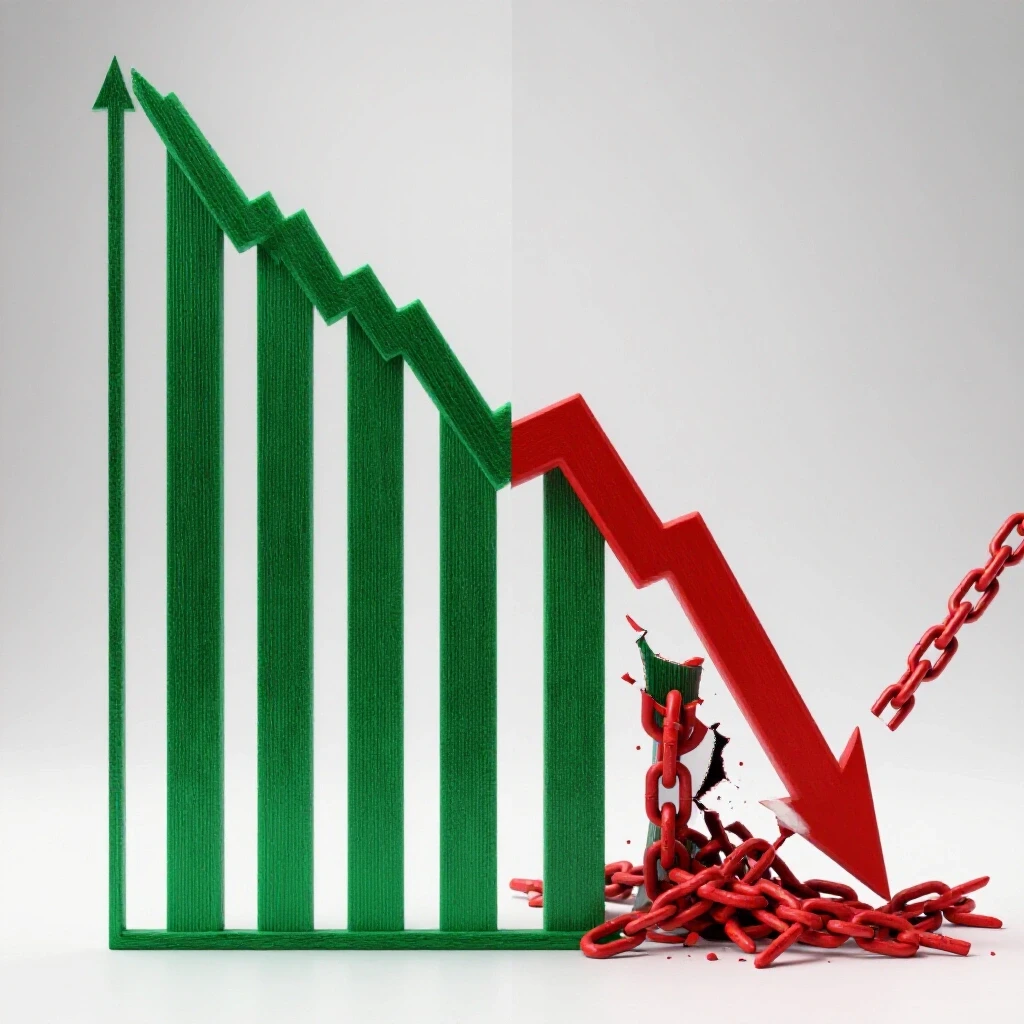
Early success often creates a false sense of security. I remember managing a high-profile retail account where our first three days of a new launch were record-breaking. By day ten, the reach had plummeted by 60%. My team initially panicked, thinking we were under a social media shadowban. A shadowban, or search suppression, is when a platform limits your content’s visibility without telling you. However, after a root cause analysis, we realized it was simply creative decay. The audience had seen the same image too many times, and the engagement drop resolution was as simple as refreshing the visuals.
To diagnose these issues, you must look at your reach velocity. This is the speed at which your content spreads across the platform. If the velocity drops suddenly, it usually points to one of three things: audience fatigue, bidding shifts in the ad auction, or a content moderation flag.
Understanding Creative Decay and Audience Fatigue
Creative decay happens when an audience becomes so familiar with a piece of content that they stop noticing it. This leads to a lower click-through rate and signals the algorithm to stop showing the post. Audience fatigue is the broader version of this, where the entire campaign theme begins to feel stale to your target demographic.
In my experience, the most dangerous part of creative decay is how it impacts your “quality score” on platforms like Meta or LinkedIn. When users scroll past your content without stopping, the platform assumes your post is low quality. This can lead to an algorithmic penalty diagnosis that is hard to reverse if you don’t act quickly. I recommend rotating your creative every 7 to 14 days for high-frequency campaigns to keep the engagement signals positive.
Analyzing Bidding Shifts and Auction Competition
Social media platforms operate on an auction system where brands compete for user attention. Sometimes, your reach drops not because of your content, but because a competitor has entered the auction with a higher budget or better-performing ads. This shifts the “equilibrium” of the auction, making your placements more expensive and less frequent.
When I conduct an audience reach recovery audit, I always check the Cost Per Mille (CPM) trends. If your costs are rising while your engagement is steady, you are likely losing the auction battle. This isn’t a penalty; it’s a market shift. To recover, you may need to refine your targeting or increase your engagement variance thresholds to stand out.
Navigating Algorithmic Penalty Diagnosis and Reach Suppression
An algorithmic penalty is a hidden restriction where a platform limits your content’s visibility due to policy flags or low-quality signals. These are often called shadowbans by the community, but platforms usually refer to them as “visibility filtering” or “reach reduction.” Detecting these requires a comparison of your current metrics against your historical baselines.
I once worked with a brand that saw its organic reach hit a brick wall overnight. We weren’t told why. After a week of digging, we found that a single post had been flagged by a content moderation threshold for “borderline content.” This is content that doesn’t quite break the rules but is deemed low-quality or potentially divisive. The platform didn’t delete the post, but it suppressed the entire account’s reach as a safety measure.
| Metric | Healthy Range | Penalty Warning Sign |
|---|---|---|
| Reach-to-Follower Ratio | 15% – 25% | Below 5% |
| Engagement Rate | 2% – 5% | Below 0.5% |
| Share Velocity | Steady Growth | Sudden Flatline |
| Comment Sentiment | 70% Positive | Above 40% Negative |
The Mechanics of Content Moderation Thresholds
Platforms use automated systems to scan every post for policy violations. These systems assign a “safety score” to your account. If your score drops below a certain level, your reach is throttled. This is a brand safety validation protocol designed to protect the platform’s users.
If you suspect a social media shadowban, the first step is to check your account status in the platform’s settings. Most platforms now offer a “Page Quality” or “Account Status” tab. If this is green, your issue might be related to engagement quality rather than a direct policy violation. If it is red or yellow, you need to begin the appeal process immediately.
Submitting Platform Appeals and Managing Timelines
Submitting an appeal is a slow process that requires patience and clear documentation. When I handle an audience crisis management situation, I prepare a file that includes the flagged content, why we believe it fits the guidelines, and our history of compliance.
The typical appeal timeline ranges from 5 to 15 business days. During this time, it is vital not to “spam” the platform with new posts. I have seen managers make the mistake of posting more frequently to “make up” for the lost reach. This often backfires, as the platform sees the high volume of low-engagement posts as further proof that the account is low quality.
Communicating Performance Stagnation to Internal Stakeholders
Managing up during a reach crisis is often more stressful than the technical recovery itself. Leaders want to know why the numbers are down and when they will go back up. You must be honest about the timeline while providing a clear roadmap for recovery.
I remember a particularly tense meeting with a CEO after a PR setback caused our engagement to tank. I had to explain that we couldn’t just “buy our way out” of the problem. We needed a baseline rehabilitation period. This is a window of time, usually 14 to 30 days, where we focus on high-value, safe content to prove to the algorithm that we are a trustworthy account again.
Translating Technical Data into Business Risk
When talking to upper management, avoid using jargon like “reach velocity” without explaining it. Instead, focus on the business impact. For example, tell them, “Our visibility has decreased by 40%, which means our cost to acquire a customer has risen. We are implementing a recovery plan to lower these costs over the next three weeks.”
- Step 1: Acknowledge the drop immediately.
- Step 2: Identify if it is an external market shift or an internal policy issue.
- Step 3: Present a three-phase recovery timeline.
- Step 4: Set realistic expectations for the rehabilitation period.
Using a Sentiment Index to Measure Trust
A sentiment index is a way to track how people feel about your brand. You can calculate this by looking at the ratio of positive to negative comments. During a brand reputation recovery phase, this metric is more important than total reach. If your reach is high but your sentiment is 80% negative, you aren’t recovering; you are digging a deeper hole.
I use a simple 1-10 scale for sentiment. A “1” means the community is in open revolt, and a “10” means they are advocates. Most brands live in the 6-7 range. If you drop below a 4, you are in a crisis. Recovery starts by moving that needle back to a 6 before you worry about going viral again.
Implementing a Data-Backed Brand Reputation Recovery Plan
A recovery plan is a phased approach to rebuilding trust through transparent communication and high-value content. You cannot simply go back to “business as usual” after a major engagement drop or a public backlash. You must demonstrate a change in strategy to both your audience and the platform’s filters.
In one case study involving a major tech brand, we faced a severe engagement drop resolution after a product failure. The audience was angry, and the algorithm was suppressing our posts because people were reporting them as “spam” out of spite. Our recovery sequence involved 10 days of “community-first” content—answering questions, providing helpful tips, and staying away from sales pitches.
The Community Recovery Sequence
The community recovery sequence is a specific posting schedule designed to reset your engagement signals. You start with content that is guaranteed to get positive interactions from your most loyal fans. This tells the platform that people still want to see your posts.
- Days 1-3: High-value, non-promotional content (educational or helpful).
- Days 4-7: Interactive content (polls, questions, direct community engagement).
- Days 8-14: Reintroduction of brand messaging with a focus on transparency.
- Day 15+: Gradual return to standard posting volume.
Adjusting Creative Strategies for Reach Restoration
During a reach restoration phase, your creative needs to be “thumb-stopping.” This means it must be visually different from what you were posting when the decline started. If you were using polished studio photos, try behind-the-scenes video. If you were using long captions, try short, punchy ones.
I have found that “pattern interrupts” work best here. A pattern interrupt is something that breaks the user’s expected scrolling habit. By changing your visual style, you can bypass the “fatigue” that caused the initial drop. This helps in resetting the audience reach recovery process by triggering new interest from your followers.
Executing Ongoing Account Audits and Risk Containment
Recovery is not a one-time event; it is an ongoing process of monitoring and adjustment. You must implement a system of regular audits to catch small issues before they turn into major reach collapses. This proactive approach is what separates elite brand protection specialists from reactive managers.
My standard audit includes a weekly check of the “Engagement Variance Threshold.” This is the difference between your best-performing and worst-performing posts. If the gap is widening, it means the algorithm is becoming more selective about who sees your content. This is often an early warning sign of a looming reach drop.
Using Diagnostic Tools for Real-Time Monitoring
- Platform Native Insights: Check the “Professional Dashboard” on Meta or “Analytics” on X and LinkedIn daily.
- Sentiment Analysis Software: Tools like Brandwatch or Sprout Social help track the Sentiment Index Ratings.
- Account Status Dashboards: Regularly visit the “Transparency Center” of each platform to check for hidden strikes.
- Competitor Benchmarking Tools: Use tools like SocialBlade to see if your competitors are facing similar trends.
- Internal Reach Calculators: Maintain a spreadsheet tracking your Reach-to-Follower ratio over a 90-day rolling period.
Establishing a Brand Safety Validation Protocol
A brand safety validation protocol is a set of rules for what can and cannot be posted. This prevents the “borderline content” flags that lead to suppression. Every piece of content should be checked against the latest platform policy documentation.
I recommend a simple “Red-Yellow-Green” system for your content calendar. “Green” content is safe and educational. “Yellow” is slightly provocative or experimental. “Red” is high-risk and should only be used sparingly and with senior approval. If your account is currently in a recovery phase, you should only post “Green” content for at least two weeks.
Conclusion and Immediate Next Steps
Recovering from a sudden loss of momentum is a test of patience and precision. It is easy to feel stressed when the numbers turn red, but a methodical approach always wins over a panicked one. By diagnosing the root cause—whether it is creative decay, an algorithmic penalty, or a PR setback—you can build a bridge back to high engagement.
Your first step today should be to stop all “high-risk” or purely promotional posting. Conduct a reach-to-follower audit to see if you are truly suppressed or just facing audience fatigue. Once you have your baseline, begin the community recovery sequence. Remember, the goal is to restore your account’s health for the long term, ensuring the savings of your brand’s hard-earned digital reputation.
Frequently Asked Questions
What is the most common reason a campaign fails after a strong start?
The most frequent cause is creative decay combined with audience fatigue. When a campaign launches, it hits your most active and engaged followers first. Once that group has seen the content multiple times, the engagement rate drops. If you don’t refresh the creative or expand the targeting, the platform’s algorithm will see the declining interest as a signal to reduce your reach.
How can I tell if my account is under a social media shadowban?
A shadowban, or search suppression, is usually marked by a sudden, 50% or greater drop in reach that does not recover within 48 hours. To verify, check if your posts still appear under the hashtags you use or if your account is searchable by non-followers. You should also check your “Account Status” in the platform settings for any policy violations or strikes.
How long does it take to recover from an algorithmic penalty?
Recovery typically takes between 14 and 30 days of consistent, high-quality, safe posting. This is known as a rehabilitation period. During this time, the platform’s automated systems need to see a new pattern of positive user interactions to “reset” your account’s safety and quality scores.
Should I stop posting entirely if my reach drops?
No, stopping entirely can actually hurt your account. It signals to the algorithm that the account is inactive. Instead, you should reduce your posting frequency and focus only on “safe,” high-value content that is likely to get positive engagement from your core audience.
What is a “reach velocity drop” and why does it matter?
Reach velocity is the speed at which your content is distributed to new users. A sudden drop in velocity means the platform has stopped “pushing” your content into the feeds of people who don’t follow you. This is often the first sign of an algorithmic penalty or that your content has hit a moderation threshold.
How do I explain a reach drop to my boss without sounding incompetent?
Focus on the data and the recovery plan. Explain that the drop is a result of specific platform mechanics (like creative decay or an auction shift) rather than a failure of the brand. Provide a clear timeline for the audience reach recovery and explain how this methodical approach will protect the brand’s long-term digital equity and save money on future ad spend.
What is “borderline content” in social media moderation?
Borderline content is material that does not strictly violate platform terms of service but is considered “low quality,” “sensational,” or “misleading.” Platforms often use machine learning to identify this content and will suppress its reach to ensure a better user experience. Avoiding “clickbait” titles and overly aggressive sales language can help you stay out of this category.
Can I use ads to fix a drop in organic reach?
While ads can help with brand reputation recovery by putting your message in front of people, they will not “fix” an organic algorithmic penalty. In fact, if your account has a low quality score, your ad costs (CPMs) will likely be much higher. It is better to address the root cause of the organic drop before increasing your ad spend.
What is a sentiment index rating?
A sentiment index rating is a metric that quantifies the mood of the comments and mentions your brand receives. It is usually calculated as the percentage of positive comments minus the percentage of negative ones. Monitoring this is crucial during a crisis because it tells you if your recovery efforts are actually rebuilding trust with your audience.
How often should I audit my social media accounts for brand safety?
I recommend a deep-dive audit once a month, with weekly “health checks” on your reach-to-follower ratios and engagement variance. This allows you to catch creative decay or bidding shifts early, before they lead to a total campaign collapse.
(This article was written by one of our staff writers, Andrew Collins. Visit our Meet the Team page to learn more about the author and their expertise.)