How to Turn Negative Social Media Reach Into Sales (Case Study)
“I used to love this brand, but lately, their posts feel like they are shouting into a void, and I am the only one left listening.” I read that comment on a client’s post three years ago. It was a wake-up call. At the time, I was managing a major lifestyle brand that had just seen its organic reach plummet by 70% in a single week. We weren’t just losing likes; we were losing our connection to the people who kept the business running.
In my 14 years of social media operations, I have learned that a sudden drop in reach is rarely a random event. It is usually a signal. Whether it is a policy violation you didn’t see coming or a shift in how the platform views your content, these moments are high-stress for any manager. You have to explain to leadership why the “free” traffic stopped while simultaneously trying to fix a problem you can’t fully see.
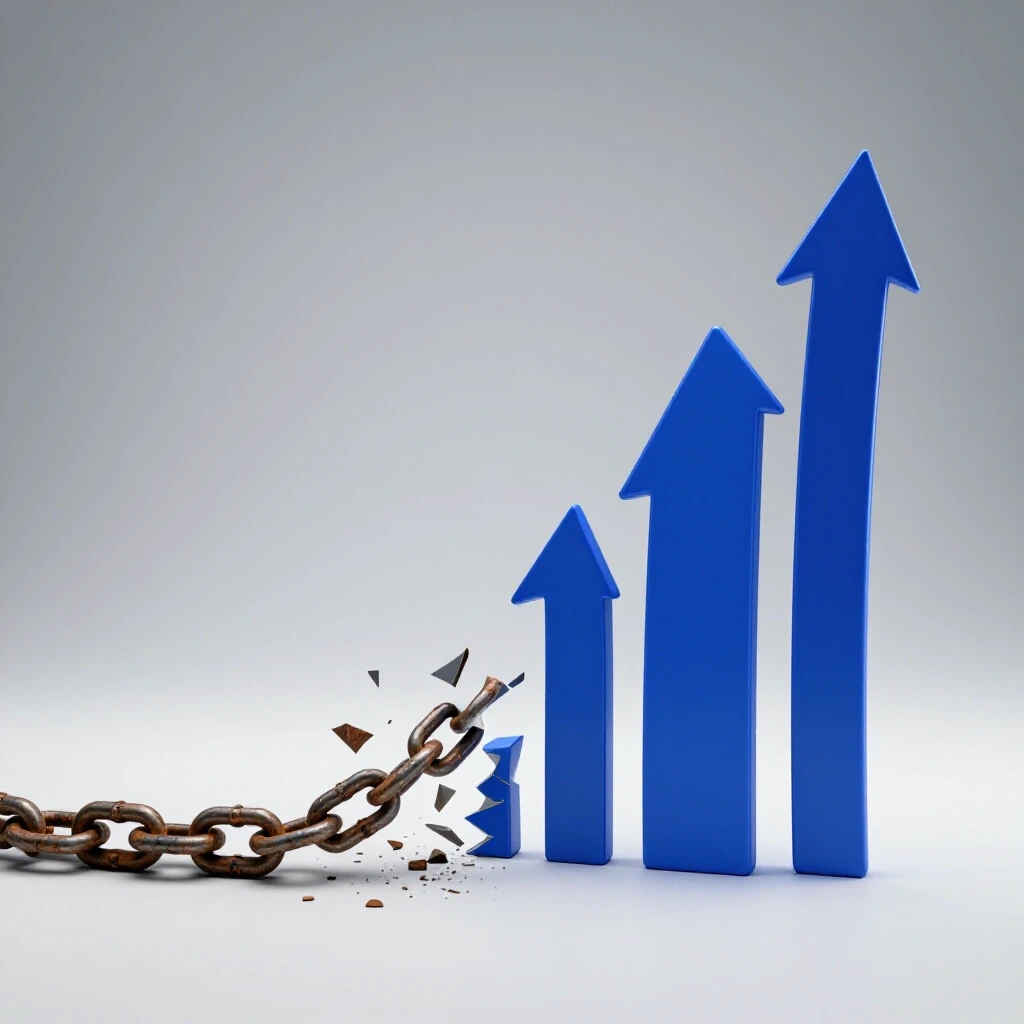
I have spent a decade and a half diagnosing these “invisible” penalties. I have sat in boardrooms explaining that we aren’t being “canceled,” but rather “suppressed.” More importantly, I have developed a system to take those low numbers and turn them into a roadmap for actual sales. This guide is built from those lessons. It is for the specialist who is currently staring at a flatlined graph and wondering where it all went wrong.
Pinpointing the Root Cause of Your Audience Reach Recovery Challenges
This stage involves a deep dive into your account analytics to find out why your numbers are falling. We look at specific metrics like reach velocity and engagement rates to see if the problem is your content or a platform-level penalty that is hiding your posts from followers.
When I start a recovery project, I look for “reach velocity.” This is the speed at which your post moves from your core followers to a wider audience. If your reach stops abruptly at 10% of your follower count, you are likely facing search suppression, often called a social media shadowban. This isn’t a myth; it’s a safety protocol platforms use to limit content they find “borderline.”
Analyzing Algorithmic Penalty Diagnosis Through Performance Data
Diagnosis requires comparing your current post performance against your historical baselines from the last six months. We look for sudden breaks in the data that suggest an automated flag rather than a slow decline in interest. This helps us decide if we need to appeal or change our strategy.
I remember a project where a brand’s reach fell off a cliff after they shared a user-generated video that accidentally violated “sensitive content” rules. The platform didn’t delete the post, but they “deprioritized” the entire account. We found this by using a simple verification matrix.
| Metric | Healthy Account | Penalized Account |
|---|---|---|
| Non-Follower Reach | 30% – 60% of total | Less than 5% of total |
| Hashtag Visibility | Appears in “Recent” and “Top” | Content is hidden from tags |
| Searchability | Account appears in top 3 results | Account is buried or missing |
| Story Views | 5% – 10% of total followers | Less than 2% of total followers |
If your data looks like the right column, you aren’t just having a “bad content week.” You are in a recovery phase.
Managing Stakeholder Stress During an Engagement Drop Resolution
Communicating with upper management during a crisis is about shifting the focus from “what we lost” to “how we are fixing it.” I provide clear, data-backed reports that explain the platform’s current policy environment. This reduces panic and gives the team the time needed to implement a real solution.
In my experience, the biggest mistake is promising a “quick fix.” I once had a CEO ask me to “just call the platform” to get the reach back. I had to explain that most of these systems are automated. Recovery is a marathon, not a sprint. I recommend setting a “rehabilitation period” of 14 to 30 days where the goal is consistency, not viral growth.
Setting Realistic Timelines for Account Rehabilitation
Rebuilding an account’s health takes time because the platform needs to “re-learn” that your content is safe and valuable. Most recovery cycles take between 5 and 15 business days for initial appeals and up to a month for reach to return to normal. Patience is your most important tool here.
- Days 1-3: Stop all controversial or high-risk posting.
- Days 4-7: Conduct a full content audit and remove flagged posts.
- Days 8-14: Post “safe,” high-engagement content (polls, direct questions).
- Days 15+: Gradually re-introduce standard marketing and sales posts.
Transforming Stagnant Metrics Into Strategic Sales Opportunities
When organic reach is low, you can still find the “gold” in your data by looking at who is still engaging. These are your most loyal customers. By focusing on this small but active group, we can build targeted ad sets that drive sales even when the algorithm is working against our organic posts.
This is where the magic happens. During a major reach drop for a kitchenware client, we noticed that while only 2,000 people saw our posts (down from 50,000), those 2,000 people were clicking links at a much higher rate. They were the “super-fans.” We stopped trying to reach everyone and started paying to reach them specifically through retargeting ads.
- Identify the “Survivors”: Use your platform’s backend to see who interacted with you during the penalty period.
- Create Custom Audiences: Upload these interactions into your ad manager.
- Run Retargeting Ads: Show these people specific offers. Since they are already loyal, your conversion rate will be higher.
- Optimize for Sales: Instead of “awareness,” run ads for “conversions.” This bypasses the organic reach problem entirely.
Rebuilding Trust Through Brand Reputation Recovery Campaigns
Restoring your image after a setback requires a “human-first” approach to communication. We move away from polished corporate messaging and toward transparent, helpful content that invites the audience back into the conversation. This helps reset the sentiment index and signals to the platform that your community is active.
I once worked with a brand that faced a massive backlash over a misunderstood advertisement. The comments were toxic, and the reach dropped as the platform flagged the “negative sentiment.” We didn’t ignore it. We launched a “Listening Campaign.” We posted simple, text-based images asking for feedback and responded to every single comment for 72 hours.
Leveraging Community Feedback for Audience Crisis Management
Listening to your audience during a crisis provides the data you need to change your content strategy. By tracking the ratio of positive to negative comments, you can see exactly when the “storm” has passed. This allows you to return to normal operations with confidence that your brand is safe.
- Monitor Sentiment: Use tools like Brandwatch or simple manual tracking to categorize comments as Positive, Neutral, or Negative.
- Engagement Thresholds: Aim for a “Positive-to-Negative” ratio of at least 4:1 before launching a new product.
- Direct Interaction: High-quality replies increase the “weight” of your post in the algorithm, helping to break through suppression.
Executing the Account Audit and Long-Term Protection Plan
A recovery plan is only as good as the systems you put in place to prevent the next drop. I implement weekly audits of the platform’s “Account Status” page and “Transparency Center.” These tools show you exactly where you stand with the platform’s rules before a penalty even happens.
One rookie mistake I see is “set it and forget it.” Platforms change their rules constantly. What was fine six months ago might be a “shadowban” trigger today. I now require my teams to do a “Policy Pulse Check” every Monday morning.
Essential Tools for Algorithmic Penalty Diagnosis and Monitoring
- Platform Account Status Dashboards: Found in the settings of most apps, these show active strikes or violations.
- Sentiment Tracking Software: Tools that alert you when the “mood” of your comment section shifts toward the negative.
- Reach Velocity Calculators: Simple spreadsheets that track how many people see your post in the first 60 minutes.
- Ad Manager Analytics: Used to see if your “Quality Ranking” is dropping, which often happens before an organic reach hit.
Moving Forward With Resilience
Recovering from a major engagement drop is one of the hardest parts of being a social media manager. It is stressful to see years of work seemingly vanish overnight. But remember, the data is still there. The audience is still there. They are just waiting for you to find a new way to reach them.
By diagnosing the root cause, managing your internal team’s expectations, and pivoting to a sales-focused retargeting strategy, you can turn a crisis into a period of growth. You are not just a content poster; you are a brand protector. The resilience you show during a reach drop is what defines a truly great operations specialist.
Frequently Asked Questions
How can I tell if my account has an algorithmic penalty? Check your “Non-Follower Reach.” If your content is no longer appearing on explore pages or in hashtag searches for several days, you likely have a penalty. Also, check your “Account Status” in your settings to see if there are any active policy violations listed by the platform.
What is the average time for audience reach recovery? For minor policy issues, you may see a return to normal reach in 7 to 14 days. For more severe setbacks or public relations crises, the rehabilitation period can last 30 to 90 days. It requires consistent, “safe” posting to rebuild the platform’s trust in your account.
Can I still run ads if my organic reach is suppressed? Yes, but you must be careful. If your organic reach is down due to a “Brand Safety” violation, your ads may also be flagged or have a higher cost-per-click. However, if it is just a reach drop, paid retargeting is the best way to maintain sales while you wait for organic recovery.
Should I stop posting entirely during a reach drop? No. Stopping entirely can signal to the algorithm that your account is inactive. Instead, shift your strategy to “low-risk” content. Post things that encourage safe engagement, like polls or helpful tips, and avoid anything that could be flagged as “engagement bait” or controversial.
How do I explain a reach drop to my boss without sounding like I failed? Present it as a “Platform Policy Shift” or an “Algorithmic Adjustment.” Use data to show that this is happening across your industry, not just to your account. Focus on your recovery plan and the metrics you are tracking to bring the reach back, rather than the loss itself.
What are the most common causes of a social media shadowban? The most common causes include using banned hashtags, posting too frequently (which looks like bot behavior), having your content reported by users, or sharing “borderline” content that violates community guidelines on safety or misinformation.
How does negative audience feedback affect my reach? Platforms track “Sentiment.” If a post gets a high number of “Hide Post” actions or negative comments, the algorithm will stop showing it to new people. If this happens across multiple posts, the platform may suppress your entire account to protect the user experience.
What is “reach velocity” and why does it matter? Reach velocity is the speed at which your post gains views. A healthy post starts fast and grows. If your velocity is “capped” (meaning it stops suddenly at a certain number), it is a strong sign of an algorithmic penalty or search suppression.
Can deleting old posts help with brand reputation recovery? Yes. If those old posts are the source of the penalty or the negative feedback, removing them can help. It shows the platform and your audience that you are taking steps to clean up your account and follow current community standards.
Is it possible to turn a reach drop into actual sales? Absolutely. By focusing your remaining reach on your most loyal followers and using that data to run highly targeted conversion ads, you can often see a higher return on investment than you did when your reach was “wide but shallow.”
(This article was written by one of our staff writers, Andrew Collins. Visit our Meet the Team page to learn more about the author and their expertise.)