How to Identify and Fix Fake Follower Growth (Step-by-Step Guide)
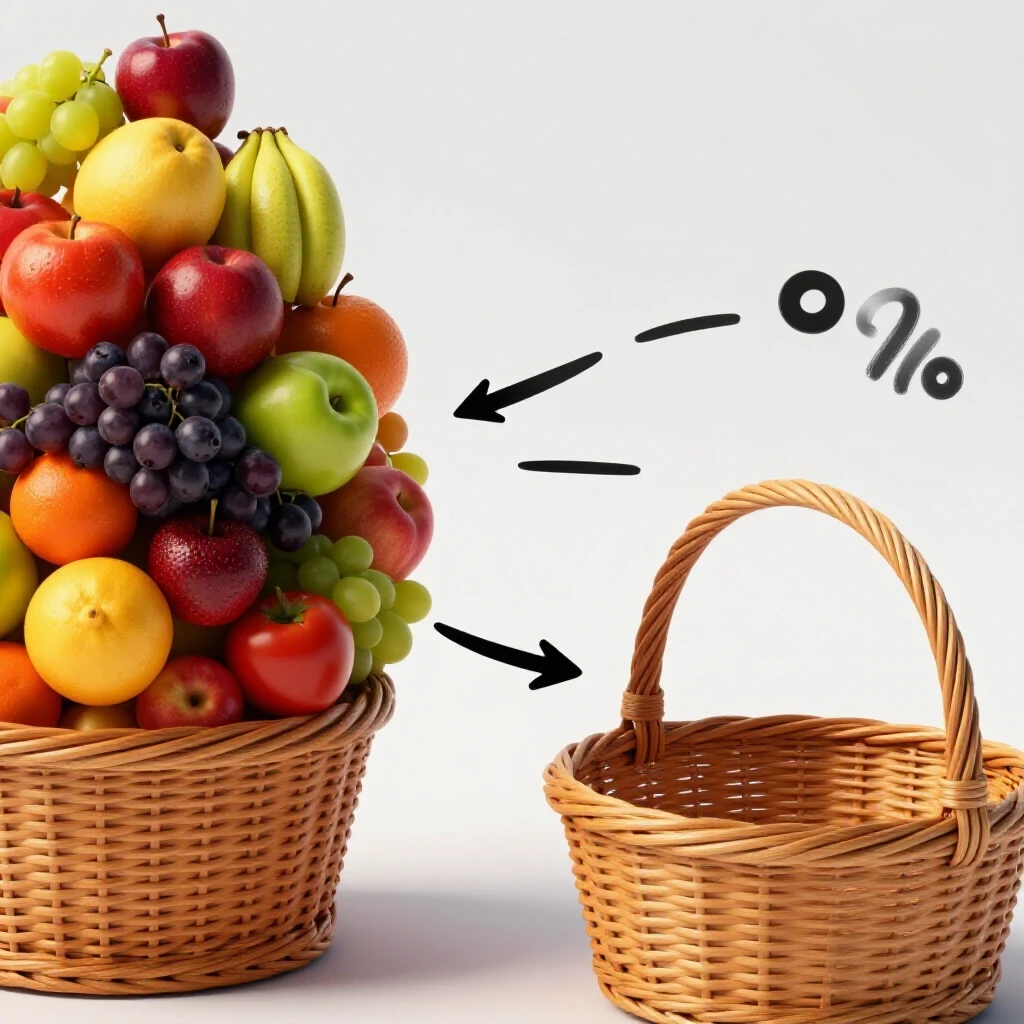
Have you ever noticed how a meal can look like it belongs in a Michelin-star restaurant but taste completely hollow when it actually hits your tongue? In the world of social media operations, I have seen many brand accounts that look just like that meal. They boast massive follower counts and shiny profile badges, yet when you look under the hood, the actual connection with the audience is nonexistent.
In my 14 years of managing high-stakes social media accounts, I have learned that a large audience is a liability if it is not an engaged one. I remember sitting in a boardroom three years ago with a retail client whose follower count had doubled in a month, yet their website traffic had actually dipped. They were celebrating “growth” that was essentially a ghost town. My job was to tell them the truth: their expansion was inauthentic, and it was about to trigger a massive algorithmic penalty. This guide is designed to help you navigate those same difficult waters by auditing the quality of your audience and restoring your brand’s health.

Identifying Discrepancies in Audience Quality and Reach
Audience quality refers to the percentage of your followers who are real, active users interested in your content. When this quality drops, your reach velocity—the speed at which your content spreads—stagnates because the platform sees that your own followers aren’t even looking at your posts.
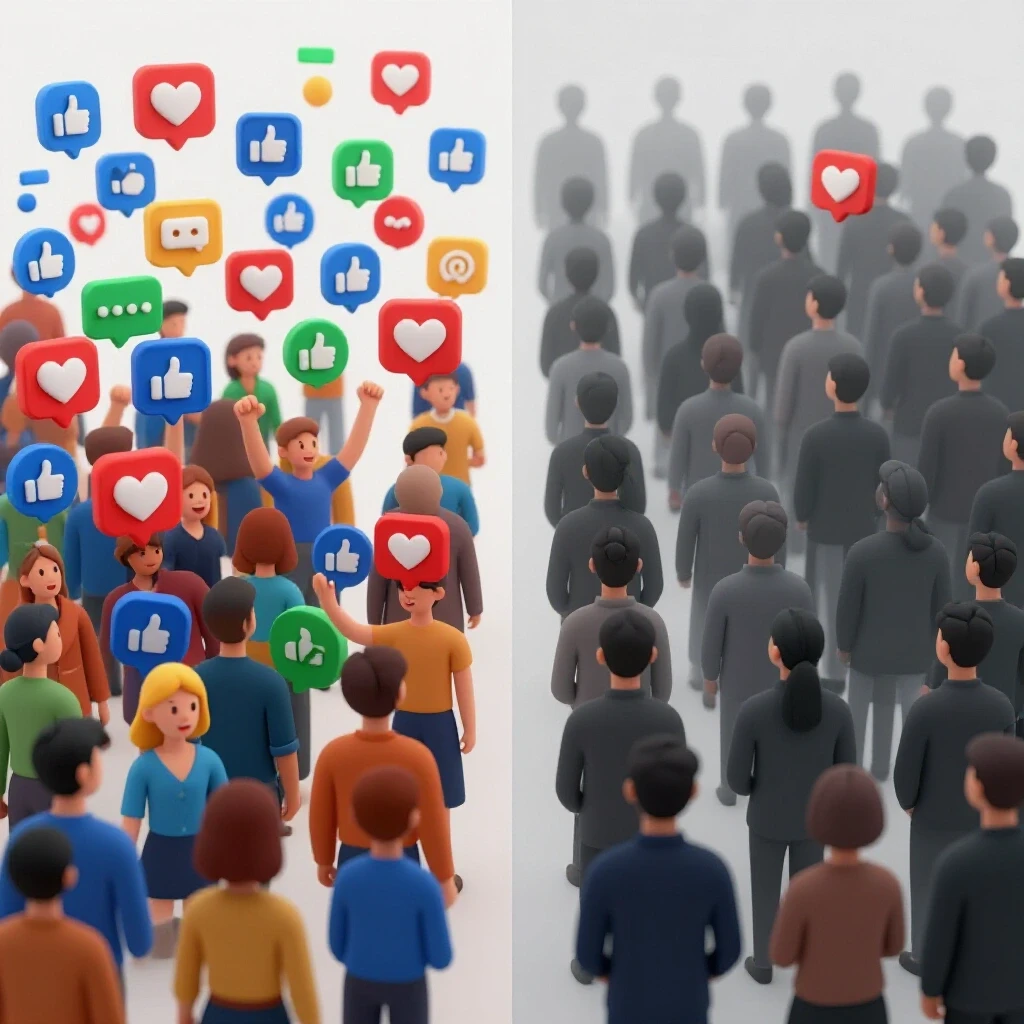
When I conduct a deep-dive audit, the first thing I look for is a mismatch between total followers and reach velocity. If you have 500,000 followers but your posts only reach 2,000 people, the platform’s filtration system has likely flagged your account. This often happens when an account gains a large number of followers who do not interact with the brand’s niche. These “low-signal” followers tell the algorithm that your content isn’t valuable, which leads to a severe engagement drop resolution.
I once worked with a tech brand that faced a sudden 70% drop in impressions. Upon investigation, we found that a viral giveaway from six months prior had attracted thousands of users who only wanted free gear. They never intended to engage with the brand again. Because they didn’t click or like subsequent posts, the algorithm assumed the brand’s content had become poor quality and stopped showing it to everyone else.
- Check your “Followers vs. Non-Followers” reach ratio in your analytics.
- Look for spikes in follower growth that do not align with a specific, high-performing content piece.
- Analyze the geographic location of your new followers to see if they match your target market.
Algorithmic Penalty Diagnosis: Finding the Root Cause of Stagnation
An algorithmic penalty is a deliberate suppression of your content’s visibility by the platform’s safety and quality systems. This usually occurs when your account hits certain content moderation thresholds, such as high report rates or frequent policy violations, leading to what many call a social media shadowban.
Diagnosing a penalty requires a calm, data-driven approach. It is easy to panic when traffic disappears, but you must distinguish between a change in consumer behavior and an actual platform restriction. A shadowban, or search suppression, means your content will not appear in “Explore” pages or under hashtags, even if it is high quality. I use a “Shadowban Verification Matrix” to help my teams identify if the issue is technical or creative.
| Diagnostic Signal | Organic Decline Indicator | Algorithmic Penalty Indicator |
|---|---|---|
| Hashtag Reach | Gradual decrease over months | Sudden drop to near zero |
| Search Visibility | Profile appears in top results | Profile hidden or requires exact handle |
| Follower Reach | 5% to 15% of total audience | Less than 1% of total audience |
| Notification Speed | Likes appear shortly after posting | Long delays or no “new follower” alerts |
If you find that your metrics align with the “Penalty Indicator” column, you are likely dealing with a platform-level restriction. This is often the result of “engagement baiting” or using banned keywords that trigger automated filtration systems. In my experience, the first step to recovery is a total audit of your recent post history to remove any content that might be flagged as “low quality” or “borderline” by platform guidelines.
Managing Stakeholder Expectations During Brand Reputation Recovery
Stakeholder communication is the process of translating complex technical data into actionable business insights for executives. In times of crisis, your goal is to provide a realistic timeline for reach restoration while managing the stress of leadership who may not understand how platform algorithms function.
When a major brand faces a public relations setback or a sudden loss in traffic, the pressure on the social media manager is immense. I have been in those high-stress meetings where the CMO wants to know why “the numbers are red.” The worst thing you can do is promise an instant fix. Recovery is a marathon, not a sprint. I typically present a “Trust Recovery Phase Timeline” that spans 30 to 90 days.
- Phase 1 (Days 1-14): Diagnosis and Content Cleanup. We stop the bleeding by removing flagged content and pausing automated tools.
- Phase 2 (Days 15-45): Engagement Seeding. We focus on high-quality interactions with the existing “loyalist” audience to signal to the platform that we are human.
- Phase 3 (Days 46-90): Reach Expansion. We gradually reintroduce broader content strategies once the engagement-to-follower ratio stabilizes.
By setting these expectations early, you protect your professional reputation. You shift the conversation from “why did we fail?” to “how are we systematically rebuilding?” This transparency builds trust with upper management, even when the data is temporarily disappointing.
Practical Verification Steps for an Account Health Assessment
An account health assessment is a systematic review of your profile’s standing with platform policies and its actual resonance with the audience. It involves using both native platform tools and third-party sentiment monitoring software to identify where the disconnect lies between your growth and your engagement.
To understand why your audience reach recovery is stalling, you need to look at the “User Report Algorithm.” Most platforms track how often users click “See Less” or “Report This Post” on your content. If your report-to-view ratio exceeds a certain threshold—often as low as 0.1%—your account may be flagged. I recommend using the following tools and steps to perform a deep-dive audit:
- Platform Account Status Tools: Most major apps now have a “Professional Dashboard” or “Account Status” section. Check this first for any explicit policy violations.
- Audience Sentiment Tracking Index: Use a tool like Brandwatch or Sprout Social to measure the “mood” of your comments. Are people genuinely interested, or is the comment section filled with spam?
- Manual Follower Audit: Scroll through your newest followers. If a large percentage have no profile picture, no posts, and gibberish usernames, your recent growth was likely “hollow.”
- Content Filtration Check: Post a neutral, high-quality image without hashtags or links. If it receives zero reach from non-followers after 24 hours, your account is likely being filtered.
If you discover that your growth was inflated by inauthentic accounts, don’t delete them all at once. Mass-deleting followers can actually trigger more red flags. Instead, focus on creating content that appeals to your real customers, which will naturally dilute the impact of the inactive accounts over time.
Executing the Community Recovery Sequence and Restoring Trust
A community recovery sequence is a strategic content plan designed to re-engage your core audience after a period of stagnation or backlash. This involves moving away from “broadcast” style posting and moving toward “dialogue” style interactions that prioritize human connection.
Restoring trust after an audience backlash or a period of “fake” growth requires humility. I worked with a lifestyle brand that had accidentally used a controversial influencer, leading to a massive wave of negative sentiment and a subsequent algorithmic suppression. We didn’t just ignore it; we implemented a “Response-First” strategy. For two weeks, the brand didn’t post any new marketing material. Instead, we spent eight hours a day responding to every single comment and DM.
- Acknowledge the Shift: If your content has been stale, tell your audience you are changing directions.
- Prioritize Stories and Video: These formats often have different algorithmic weighting and can help bypass search suppression.
- Use Polls and Questions: These require active participation, which sends a strong signal to the platform that your followers are real and interested.
Long-term Account Auditing and Brand Reputation Recovery
Long-term auditing is the practice of setting up “tripwires” in your data that alert you to potential issues before they become full-blown crises. This ensures that your brand reputation recovery is permanent and that you do not fall back into the trap of valuing quantity over quality.
Once you have restored your reach, you must maintain a “Brand Safety Validation Protocol.” This means checking every new campaign against current platform policy documentation. Platforms update their rules constantly. What was acceptable six months ago—like certain types of “share-to-win” contests—might now be considered engagement manipulation.
- Monthly Reach Velocity Checks: If your reach drops by more than 20% month-over-month without a change in posting frequency, start a diagnostic audit immediately.
- Quarterly Follower Sample: Manually audit 100 random new followers every quarter to ensure they match your target demographic.
- Sentiment Index Rating: Maintain a goal of at least 70% positive or neutral sentiment in your mentions and comments.
I have found that the most resilient brands are the ones that aren’t afraid to have a smaller, more dedicated following. It is much easier to communicate a 5% engagement rate on 50,000 followers to a CEO than a 0.1% engagement rate on 500,000. In the end, the only growth that matters is the growth that actually moves the needle for the business.
Frequently Asked Questions
How long does it typically take to recover from an algorithmic penalty? In my experience, a baseline rehabilitation period usually lasts between 30 and 90 days. If the violation was minor, such as using a banned hashtag, you might see a return to normal reach in 14 days. However, severe violations or a history of “low-quality” signals can take months of consistent, high-quality posting to reverse.
Can I appeal a shadowban or search suppression? Most platforms do not have a “Request Review” button specifically for shadowbans because they don’t officially acknowledge them as a single “on/off” switch. Instead, you must appeal specific content takedowns. If you have no active violations but your reach is still suppressed, the best “appeal” is a change in behavior: stop all automated activity and focus on organic engagement.
What is a “good” engagement-to-follower ratio for a brand? While this varies by industry, a healthy brand account usually sees between 1% and 3% engagement on average posts. If you are consistently below 0.5%, it is a strong indicator that a significant portion of your audience is inactive or that your content is being filtered.
Does changing my account from Business to Personal help with reach? This is a common myth. While personal accounts may seem to have more “authentic” reach, switching back and forth can actually confuse the platform’s categorization of your account. It is better to stay as a Business or Creator account and focus on the quality of your content and community management.
Should I delete inactive followers to improve my engagement rate? I advise against mass-deleting followers using third-party apps. These apps often use API calls that can get your account flagged for suspicious activity. If you must remove followers, do it manually and slowly—no more than 50 to 100 per day—or simply focus on attracting new, active followers to “dilute” the inactive ones.
How do I know if my reach drop is an algorithm change or a penalty? Check industry news. If every brand in your sector is reporting a 20% drop, it’s likely an algorithm update. If only your account has dropped by 80% while your competitors remain steady, you are likely facing a specific account penalty.
What are “content moderation thresholds”? These are internal limits set by platforms. For example, if your account receives a certain number of “I don’t want to see this” clicks within an hour, the system may automatically throttle the reach of that post and subsequent ones to protect the user experience.
How can I explain a reach drop to my boss without sounding incompetent? Use data. Show the “Shadowban Verification Matrix” and explain that the platform has shifted its quality standards. Frame it as a technical challenge that requires a strategic pivot rather than a failure of creative talent. Emphasize that you are prioritizing “brand safety” and “long-term stability.”
What is “reach velocity”? Reach velocity is the speed at which your content is shown to new people. High-velocity content gets shared and pushed to “Explore” pages quickly. When you are under a penalty, your reach velocity is intentionally capped, meaning your content “dies” shortly after it is posted.
Can a public relations crisis cause a shadowban? Yes. If a PR crisis leads to a massive influx of user reports or negative comments, the platform’s automated safety systems may suppress your account to prevent the spread of “hostile” content. This is why audience crisis management must include a plan for technical account recovery.
(This article was written by one of our staff writers, Andrew Collins. Visit our Meet the Team page to learn more about the author and their expertise.)