How to Recover From Social Media Traffic Drops (Step-by-Step Guide)
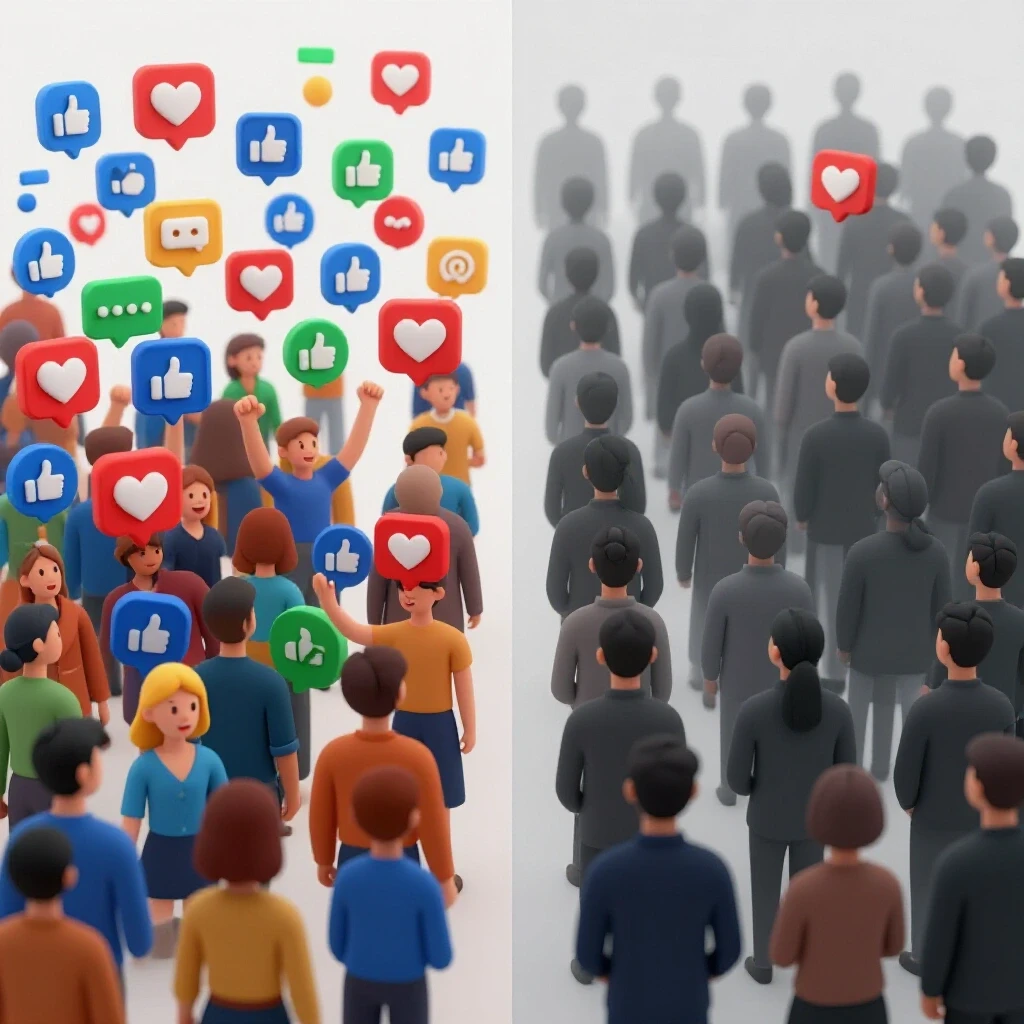
Taping into seasonal trends is often a double-edged sword for large brands. While a holiday campaign can drive massive visibility, it also places your account under the intense scrutiny of automated moderation systems. In my 14 years of managing high-profile social operations, I have seen how a single misstep during a peak season can lead to a sudden, unexplained collapse in your reach.
I remember a specific case in 2019 with a national retail brand. We were hitting record engagement numbers until, overnight, our impressions fell by 85%. There was no notification and no obvious policy violation. It felt like the account had simply vanished from the platform’s ecosystem. My job was to find the “why” and fix it before the quarterly board meeting. That experience taught me that visibility loss is rarely random; it is almost always a measurable response to specific platform signals.
Identifying the Source of Sudden Visibility Loss
This phase involves a systematic review of your account’s recent performance data to pinpoint exactly when and where the decline began. By isolating specific dates and content types, you can determine if the issue is a platform-wide algorithm shift or a targeted penalty against your specific brand profile.
In my experience, the first step in an algorithmic penalty diagnosis is looking for a “cliff.” A natural decline in interest is usually gradual. A penalty, however, looks like a sharp drop-off in a single day. I use a Root Cause Diagnostic Checklist to help my teams separate noise from a genuine crisis.
Root Cause Diagnostic Checklist
| Diagnostic Signal | Likely Cause | Priority Level |
|---|---|---|
| 80%+ drop in non-follower reach | Shadowban or search suppression | Critical |
| Slow decline over 4-6 weeks | Content fatigue or algorithm shift | Medium |
| Removal of specific high-performing posts | Community guideline violation | High |
| Sudden surge in negative comments | Audience backlash or bot attack | High |
| Reach remains high but engagement is zero | Shadow-demotion of specific topics | Medium |
When I managed a recovery for a major travel brand, we discovered that our reach velocity—the speed at which a post gains impressions—had slowed to a crawl. This was the first sign of an engagement drop resolution being necessary. We weren’t banned, but we were being “throttled” because the platform’s safety filters flagged our high-frequency posting as potential spam.
Distinguishing Between Algorithm Shifts and Policy Violations
Understanding the difference between a change in the platform’s global code and a specific strike against your account is vital for recovery. An algorithm shift affects everyone in your industry, while a policy violation is a direct response to your brand’s specific behavior or content.
Navigating the Technical Landscape of Platform Penalties
Platform penalties are automated restrictions placed on an account when it crosses a content moderation threshold. These systems are designed to protect the user experience by limiting the spread of content that the AI deems “borderline” or harmful, even if it doesn’t result in a total ban.
To fix the problem, you must understand how “content filtration systems” work. Platforms use these to maintain brand safety. If your content is reported by users or flagged by AI for “low quality,” your account receives a hidden score. Once that score hits a certain limit, the platform applies a visibility ceiling. You are still posting, but the “pipes” are essentially clogged.
The Mechanics of Social Media Shadowbans
A shadowban, or search suppression, is a state where your content is hidden from people who do not already follow you. This happens when the platform’s safety validation protocols flag your account for suspicious activity, such as rapid-fire engagement or using banned keywords that trigger automated filters.
I once worked with a brand that accidentally used a hashtag that had been hijacked by a controversial political movement. Within two hours, our reach to non-followers dropped to zero. We had to perform a deep-dive audit of every tag used in the last 30 days to clear our “account health” score. This is a classic example of how a brand reputation recovery effort starts with technical hygiene.
Shadowban Verification Matrix
- Hashtag Search Test: Post a unique, non-competitive hashtag. Search for it from an unrelated account. If it doesn’t show, you are suppressed.
- Account Search Test: Type your exact handle into the search bar of a new account. If you don’t appear in the top results, your visibility is restricted.
- Reach Source Analysis: Check your “Insights.” If the percentage of “People Not Following You” drops below 1-2%, the platform has cut off your discovery.
Strategic Communication for Internal Stakeholders
Communicating a reach collapse to upper management is one of the most stressful parts of a specialist’s job. It requires moving the conversation away from “the algorithm is broken” toward a data-backed plan for audience reach recovery that includes specific timelines and milestones.
I have found that honesty is the only way to maintain trust. During a crisis, I prepare a “State of the Account” brief. I explain that we are in a “rehabilitation period” and that pushing for more growth right now could actually make the penalty last longer. You have to manage their expectations: recovery is a marathon, not a sprint.
Establishing a Recovery Timeline for Leadership
A recovery timeline provides a structured map of the steps needed to restore account health and the expected duration for each phase. It helps stakeholders understand that “fixing” the reach isn’t a single button press but a series of verified operational adjustments.
Most platform appeals take between 5 and 15 business days to process. However, the “cooldown” period after a violation can last 30 to 90 days. I use a standard timeline to help leadership visualize the path back to normalcy.
Trust Recovery Phase Timeline
- Phase 1: Diagnosis (Days 1-3): Identify the trigger, stop all automated posting, and audit recent content.
- Phase 2: Mitigation (Days 4-10): Submit formal appeals, remove flagged content, and pause high-frequency activity.
- Phase 3: Rehabilitation (Days 11-30): Slow re-introduction of “safe” content, monitoring engagement variance thresholds.
- Phase 4: Restoration (Days 30-90): Resuming full strategy once reach velocity returns to 70% of the previous baseline.
Executing the Brand Reputation Recovery Plan
Restoring a brand’s standing after a public setback or an algorithmic penalty requires a shift in creative strategy. This involves moving away from high-risk, high-reward content and focusing on “safe” engagement that proves to the platform’s AI that your audience still finds your account valuable.
When a brand I managed faced a community backlash due to a controversial ad, our engagement drop resolution plan focused on community management. We stopped posting new content for 72 hours and focused entirely on responding to comments. This signaled to the platform that we were an active, responsible account holder, which helped prevent a permanent “low quality” flag.
Community-Facing Communication Steps
Direct communication with your audience during a reach crisis helps rebuild the “sentiment index” that platforms use to judge your account’s value. By encouraging positive interactions, you can manually “reset” the engagement signals that the algorithm is looking for to justify showing your content again.
- Acknowledge and Listen: If the drop is due to backlash, don’t delete the negative comments immediately. Address them.
- Value-First Content: Post helpful, non-promotional content that encourages “saves” and “shares,” which are high-value signals.
- Interactive Stories: Use polls or questions in stories. These often operate on a different sub-algorithm and can keep your core audience engaged while your main feed is suppressed.
Monitoring and Sustaining Audience Reach Recovery
Once the initial crisis has passed, ongoing account audits are necessary to ensure that the recovery sticks. This means watching your metrics more closely than usual to catch “micro-drops” before they turn into full-scale visibility losses again.
I recommend setting up an “engagement variance threshold.” This is a number—usually a 20% deviation from your new baseline—that triggers an immediate internal review. If a post falls below this, we stop and ask why before posting the next one. This proactive approach prevents the account from falling back into the “danger zone” of the platform’s moderation filters.
Key Metrics for Tracking Account Rehabilitation
Tracking the right numbers allows you to prove to yourself and your team that the recovery plan is working. You need to look beyond total likes and focus on the health indicators that show the platform is once again trusting your content.
- Reach Velocity: How fast a post reaches its first 1,000 people.
- Non-Follower Percentage: The most important metric for checking if a shadowban has been lifted.
- Sentiment Index: A manual or automated rating of the “mood” in your comments section.
- Appeal Status Tracking: Keeping a log of every interaction with platform support.
Audience Sentiment Tracking Index
| Metric | Healthy Range | Warning Zone | Crisis Zone |
|---|---|---|---|
| Positive/Neutral Comment Ratio | 85% + | 60-70% | Below 50% |
| Post Save Rate | 2% of reach | 0.5% of reach | Below 0.1% |
| Profile Visits from Search | Growing | Stagnant | Zero |
Building back after a major setback is exhausting, but it is possible. The key is to stop guessing and start measuring. By treating your social account like a technical system that needs a “reboot,” you can systematically remove the barriers to your growth.
Next steps for those in the middle of a drop: Stop all scheduled posts immediately. Conduct a 30-day audit of your hashtags and captions. Check your “Account Status” in the settings of every platform. These small, boring steps are the foundation of every successful recovery I have ever led.
FAQ: Navigating Reach Recovery and Platform Penalties
How can I tell if my account is shadowbanned or if the algorithm just changed? A shadowban is usually specific to your account and results in a near-total loss of reach to people who don’t follow you. If you search for your unique hashtags from a secondary account and your posts don’t appear, you are likely suppressed. An algorithm change usually affects your entire industry and results in a more gradual, less severe decline in engagement across the board.
How long does it typically take to recover from an algorithmic penalty? In my experience, the “cooldown” period for most platforms is between 30 and 90 days. While you may see some improvement after 14 days of “clean” posting, the platform needs a sustained period of positive signals to fully restore your previous reach levels.
What is the most common reason for a sudden drop in reach for established brands? The most frequent “root cause” is a “content moderation threshold” trigger. This happens when your account receives a high volume of user reports in a short time or when your content is flagged by AI as “borderline” (content that almost violates rules but doesn’t quite). This leads to automated search suppression.
Should I delete posts that I think caused a penalty? Yes, but do it carefully. Deleting 50 posts at once can look like “suspicious activity” to an AI. I recommend archiving or deleting the specific offending posts and then waiting 24-48 hours before resuming any activity. This allows the platform’s “index” of your account to update.
How do I explain a 50% reach drop to my boss without sounding incompetent? Frame it as a technical “platform-side restriction” rather than a creative failure. Use data to show that the “reach velocity” has been capped by the platform’s safety filters. Present a clear 30-day recovery plan that focuses on “account rehabilitation” and “sentiment improvement” rather than just “trying harder.”
Can “engagement pods” or buying likes help me get out of a reach slump? Absolutely not. In fact, this is the fastest way to turn a temporary penalty into a permanent ban. Platforms are highly sophisticated at detecting “inauthentic engagement.” If you are already under scrutiny, any fake activity will be caught immediately and will reset your recovery clock to zero.
What are “reach velocity drops” and why do they matter? Reach velocity is the speed at which your content spreads in the first hour. If the platform is penalizing you, it will deliberately slow this down. Monitoring this helps you see if the platform is “throttling” your content, which is a key diagnostic signal for an account-level penalty.
How do I submit an appeal if there is no “Appeal” button? Many penalties are “soft” and don’t offer a button. In these cases, you must use the “Report a Problem” feature in the app. Be professional, provide screenshots of your “Account Status” showing no violations, and clearly state that your organic discovery reach has dropped to zero despite following all guidelines.
Does changing my account from “Business” to “Personal” fix a shadowban? This is a common myth. While it might occasionally trigger a small temporary boost because of how different account types are indexed, it does not “reset” your underlying account health score. It can also cause you to lose access to the vital analytics you need to track your recovery.
What should I do if my engagement is high but my reach is low? This usually means your existing followers love your content, but the platform has stopped showing it to new people. This is the definition of search suppression. Your goal should be to encourage your followers to “share” your content, as shares are the strongest signal to the platform that your content deserves to be shown to non-followers again.
(This article was written by one of our staff writers, Andrew Collins. Visit our Meet the Team page to learn more about the author and their expertise.)