Profile Visits Dropping? How to Identify and Fix the Root Cause (Guide)
Correcting a brand’s digital trajectory is often easier than it feels in the heat of a crisis. When you see your numbers plummet, your first instinct is to panic and change everything at once. However, I have learned over 14 years that recovery is a game of precision, not speed. I have stood in boardrooms where the reach of a global brand had fallen by 60% in a week, and the pressure to “fix it now” was suffocating. In those moments, the most powerful tool you have is not a new viral trend, but a systematic approach to finding the source of the leak. By identifying the specific operational errors or policy triggers that caused the decline, you can implement a data-backed plan to restore your account’s standing.
Analyzing the Source of Traffic Loss
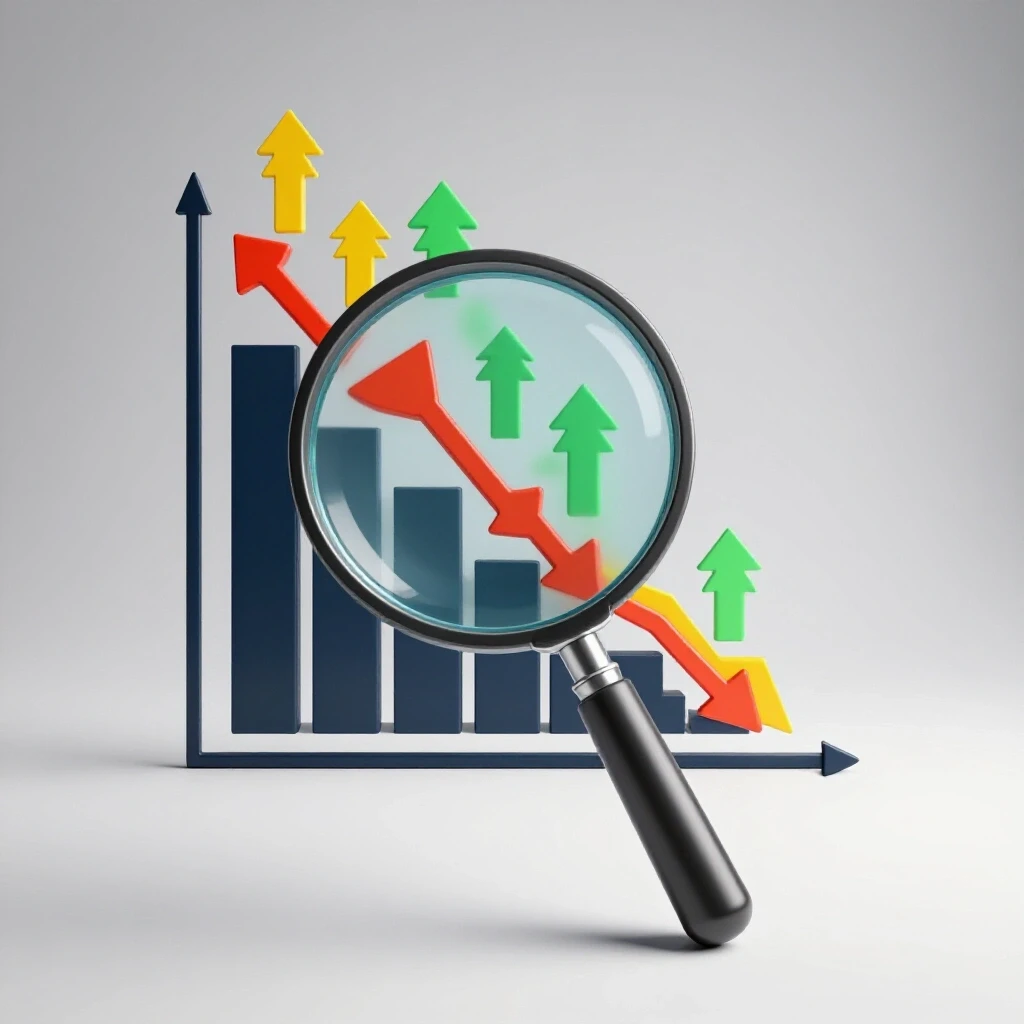
Determining why an account experiences a sudden decline in visibility requires a look at both internal data and external platform shifts. This process involves comparing current reach velocity against historical baselines to see if the drop is a platform-wide trend or a specific penalty tied to your brand’s recent activity.
In my experience, the first step is to separate “noise” from a “signal.” A 10% dip over a weekend might be a seasonal trend, but a 40% drop in non-follower reach over three consecutive days is a signal. I once managed a retail account that saw a massive traffic loss after they changed their posting frequency. We used a diagnostic checklist to determine if the issue was the content itself or a technical flag from the platform’s moderation system.
To conduct a root cause recovery plan, you must look at your engagement variance. This is the difference between your highest-performing posts and your current average. If your top-tier content is no longer reaching new audiences, the platform may have adjusted your “account health” score. This score is an internal metric platforms use to decide if your content is safe to recommend to people who don’t follow you yet.
- Reach Velocity: The speed at which your content spreads across the platform in the first hour.
- Impression Composition: The percentage of views coming from the “Home” feed versus “Explore” or “Search.”
- Engagement-to-Reach Ratio: A measure of whether the people who see your content are actually interacting with it.
| Metric | Normal Range | Warning Sign |
|---|---|---|
| Non-Follower Reach | 15% – 30% | Below 5% for 7+ days |
| Save Rate | 1% – 3% | Near 0% on educational posts |
| Report Rate | < 0.01% | Any spike after a specific post |
| Reach Velocity | Steady climb | Sharp cliff after 10 minutes |
Understanding Algorithmic Penalties and Policy
Algorithmic penalties occur when a platform’s automated systems flag content for violating community guidelines or recommendation standards. These are not always “bans,” but rather a lowering of your content’s priority in the feed, often resulting in a significant loss of organic traffic and profile discovery.
I have spent years analyzing platform policy documentation from Meta, LinkedIn, and TikTok. Most specialists don’t realize that platforms have two sets of rules: Community Guidelines (what gets you banned) and Recommendation Guidelines (what gets you hidden). If you post something that is “borderline” but not a direct violation, the platform might stop showing your posts to new people. This is often what managers call a “shadowban,” though it is actually a documented content moderation threshold.
When a brand I worked with accidentally used a banned hashtag, their reach dropped instantly. We didn’t get a notification; we just saw the numbers die. We had to go into the account status settings—a tool now available on most platforms—to see if any specific posts had been flagged. Once we removed the offending content and waited for the 48-hour “cooling off” period, we saw a gradual return to normal levels.
- Content Filtration Systems: Automated AI that scans images and captions for “low-quality” or “sensitive” triggers.
- User Report Algorithms: A system that suppresses reach if a high number of users click “Not Interested” or report your post.
- Brand Safety Validation: A check platforms perform to ensure your account isn’t associated with spammy behavior or misinformation.
Managing Internal Stakeholder Expectations
Communicating a sudden loss in social media performance to upper management requires a balance of transparency and technical expertise. It is vital to frame the situation as a technical hurdle with a clear diagnostic path rather than a creative failure, ensuring that leadership understands the timeline for recovery.
One of the hardest parts of my job is the “Monday Morning Meeting” after a reach crash. I remember sitting across from a CEO who wanted to know why our profile visits had vanished. Instead of apologizing, I presented a “Recovery Phase Timeline.” I explained that we were in the “Diagnostic Phase” (Days 1-3) and would move to “Rehabilitation” (Weeks 2-4). This took the emotion out of the conversation and replaced it with a roadmap.
When you talk to leadership, avoid using jargon like “the algorithm hates us.” Instead, use terms like “distribution suppression” or “policy-driven reach adjustment.” Show them the data. If your engagement-per-impression is still high, it means your audience still likes you, but the platform isn’t “piping” the content to them. This distinction is crucial for brand reputation recovery.
- Acknowledge the drop: State the facts clearly without downplaying the impact.
- Identify the likely trigger: Use your diagnostic data to point to a specific cause.
- Outline the fix: Explain the steps you are taking, such as an appeal or a content pivot.
- Set a realistic timeline: Most recoveries take 14 to 30 days of consistent, “safe” posting.
Strategic Steps for Audience Reach Recovery
Restoring an account’s reach involves a methodical sequence of content adjustments and platform interactions designed to prove to the algorithm that your account is high-quality. This requires a temporary shift away from experimental content toward “safe,” high-engagement formats that encourage positive user signals.
After I identify a penalty, I implement what I call a “Clean Slate” strategy. We stop all automated posting and third-party tools. We then focus on “low-risk, high-reward” content. For a brand facing a setback, this means posting content that is almost guaranteed to get “Saves” and “Shares” from your core fans. These positive signals tell the platform that people actually want to see your stuff.
I once worked with an agency that had their client’s account flagged for “coordinated inauthentic behavior” because they were using too many engagement pods. We had to stop all that immediately. We spent three weeks posting simple, authentic behind-the-scenes videos. It wasn’t our most creative work, but it was “safe.” This incremental engagement check allowed the platform to slowly lift the restrictions on the account.
- Step 1: Audit and Remove. Delete or archive any posts that may have triggered a flag in the last 30 days.
- Step 2: Pause and Reset. Stop posting for 24-48 hours to let the automated “sprawl” of your account settle.
- Step 3: Engagement First. Post content specifically designed for your most loyal followers to rebuild your “trust score.”
- Step 4: Monitor and Scale. Only increase your posting frequency once you see your non-follower reach start to climb again.
Implementing a Sentiment-Based Content Audit
A sentiment audit is a deep dive into how your audience is reacting to your brand, using data to see if a drop in traffic is caused by negative public perception. By tracking the ratio of positive to negative comments, you can determine if the algorithm is suppressing you because users are actively avoiding your content.
Sometimes, the “root cause” isn’t a technical glitch; it’s a “vibe” shift. If your brand recently had a PR scandal, users might be clicking “Hide Ad” or “See Fewer Posts Like This.” Platforms track these negative signals. I use a Sentiment Index Rating to measure this. If more than 5% of your comments are negative or if your “Share” rate drops significantly, the algorithm assumes your content is making the user experience worse.
In one case, a brand’s reach dropped because they were too “salesy” during a time of national crisis. The audience reacted poorly, and the platform’s “user satisfaction” metrics tanked. We had to pivot to a community-first approach, responding to every single comment with a human touch. This helped rebuild trust with both the audience and the platform’s automated filters.
- Sentiment Index: A calculation of (Positive Comments – Negative Comments) / Total Comments.
- Signal Strength: How many users are taking “active” positive actions (sharing/saving) versus “passive” ones (scrolling).
- Feedback Loops: The speed at which you respond to negative feedback to prevent a “snowball effect” of reports.
Rebuilding Brand Reputation After Public Setbacks
Restoring a brand’s image after a public failure requires a transparent communication plan and a commitment to long-term community engagement. This phase of recovery is less about the algorithm and more about the psychological relationship between the brand and its followers.
When a brand faces a public backlash, the reach drop is often a secondary symptom of a trust crisis. I remember a campaign that went viral for all the wrong reasons. The brand’s profile visits spiked, but the engagement was 90% negative. The algorithm then suppressed the account to “protect the community.” To recover, we had to execute a “Community Recovery Sequence.”
This sequence involves acknowledging the mistake without being defensive. We didn’t just post an apology; we changed our content pillars to reflect the values the audience felt we had violated. It took four months of consistent, humble communication to get our reach back to pre-crisis levels. This is why I always emphasize that recovery is a marathon, not a sprint.
| Phase | Goal | Actions |
|---|---|---|
| Containment | Stop the bleeding | Pause all scheduled posts and ads. |
| Acknowledgment | Address the issue | Post a clear, human statement. |
| Rehabilitation | Rebuild trust | Share community-focused content. |
| Normalization | Return to baseline | Slowly reintroduce standard brand messaging. |
Conclusion
The path to restoring your social media presence is paved with data, patience, and a deep understanding of platform mechanics. While it is stressful to see your hard-earned reach disappear, remember that these systems are designed to reward quality and safety. By systematically diagnosing the cause—whether it is a policy flag, a shift in audience sentiment, or a technical error—you can build a recovery plan that not only brings back your numbers but makes your account more resilient for the future. Stay focused on the metrics that matter, communicate clearly with your team, and prioritize the health of your community above all else.
FAQ
How long does it take for reach to return to normal after a penalty? Most documented visibility restrictions take between 14 and 30 days to resolve, provided no further violations occur. If the issue was a “borderline” content flag, you might see a recovery in as little as 7 days after removing the post. For more severe PR setbacks, the rehabilitation period can last 3 to 6 months as you rebuild your “trust score” with the audience.
Can I appeal a sudden drop in my account’s visibility? Yes, most platforms now offer an “Account Status” or “Support Inbox” where you can see specific violations. If you believe a post was flagged in error, you can submit an appeal. These processes typically take 5 to 15 business days. However, you cannot appeal “algorithmic shifts” that affect everyone on the platform.
Does changing my account to a “Personal” or “Creator” account help? This is a common myth. While different account types have different tools, switching your account type does not “reset” your standing with the platform’s moderation systems. In fact, for a brand, switching to a personal account can lead to the loss of vital analytics and advertising capabilities.
How do I know if my reach drop is just a seasonal trend? Compare your current data to the same period last year. If the entire industry is seeing a 10% dip, it is likely seasonal. If your brand is down 50% while your competitors are steady, you are likely facing an account-specific issue or a content moderation threshold.
Should I stop posting entirely if my reach is low? A short “reset” of 24-48 hours can be helpful to stop any negative feedback loops. However, long-term silence can hurt your account’s momentum. The best strategy is to reduce your posting frequency but increase the quality and “safety” of the content you do share.
What are the most common “hidden” triggers for reach suppression? Common triggers include using banned or “overused” hashtags, posting low-resolution video with watermarks from other apps, and “engagement baiting” (asking people to like and comment in an unnatural way). Platforms also flag accounts that have a high “report-to-view” ratio.
How can I explain a reach drop to my boss without looking incompetent? Focus on the “Technical Diagnostic.” Explain that the platform has updated its “Recommendation Guidelines” and that you are currently auditing the account to align with these new standards. Present it as a proactive “Account Health Audit” rather than a failure.
Do third-party scheduling tools cause reach drops? Generally, no, as long as the tool is an official platform partner (like Hootsuite or Sprout Social). However, using “unauthorized” tools that require your login credentials to “scrape” data or automate likes can lead to a severe algorithmic penalty for “inauthentic behavior.”
Will running ads help recover my organic reach? Ads can help bring “Profile Visits” and “Follows,” which are positive signals. However, they do not “clear” a policy violation. If your organic content is being suppressed due to a flag, running ads is a temporary fix that doesn’t solve the root cause.
What is a “Trust Score” in social media operations? While not a public number, a “Trust Score” is a conceptual way to describe how the platform views your account. It is built over time through consistent posting, low report rates, high “Save” rates, and adherence to all community and recommendation guidelines.
(This article was written by one of our staff writers, Andrew Collins. Visit our Meet the Team page to learn more about the author and their expertise.)