Social Metrics Seem Healthy But Aren’t: How to Audit & Recover (Guide)
The hum of the office air conditioning feels louder when you are staring at a screen of declining numbers. You see a green arrow for “total impressions,” but the actual click-through rate is flatlining. I have sat in that chair many times over the last 14 years. I remember a specific Tuesday morning managing a global retail account. Our dashboard showed record-breaking engagement, but our community managers were drowning in hidden complaints. The surface data looked like a success, but the foundation was crumbling.
This experience taught me that social media health is often a mask. A brand can appear to be thriving while an algorithmic penalty is quietly being applied in the background. In this guide, I will share the systematic approach I use to diagnose these discrepancies and restore genuine account health.

Identifying the Gap Between Surface Data and Account Health
This process involves looking past high-level numbers like follower counts to find the true quality of your interactions. It is a deep-dive analysis that compares what the platform says is happening with the actual business impact you see in your internal logs.
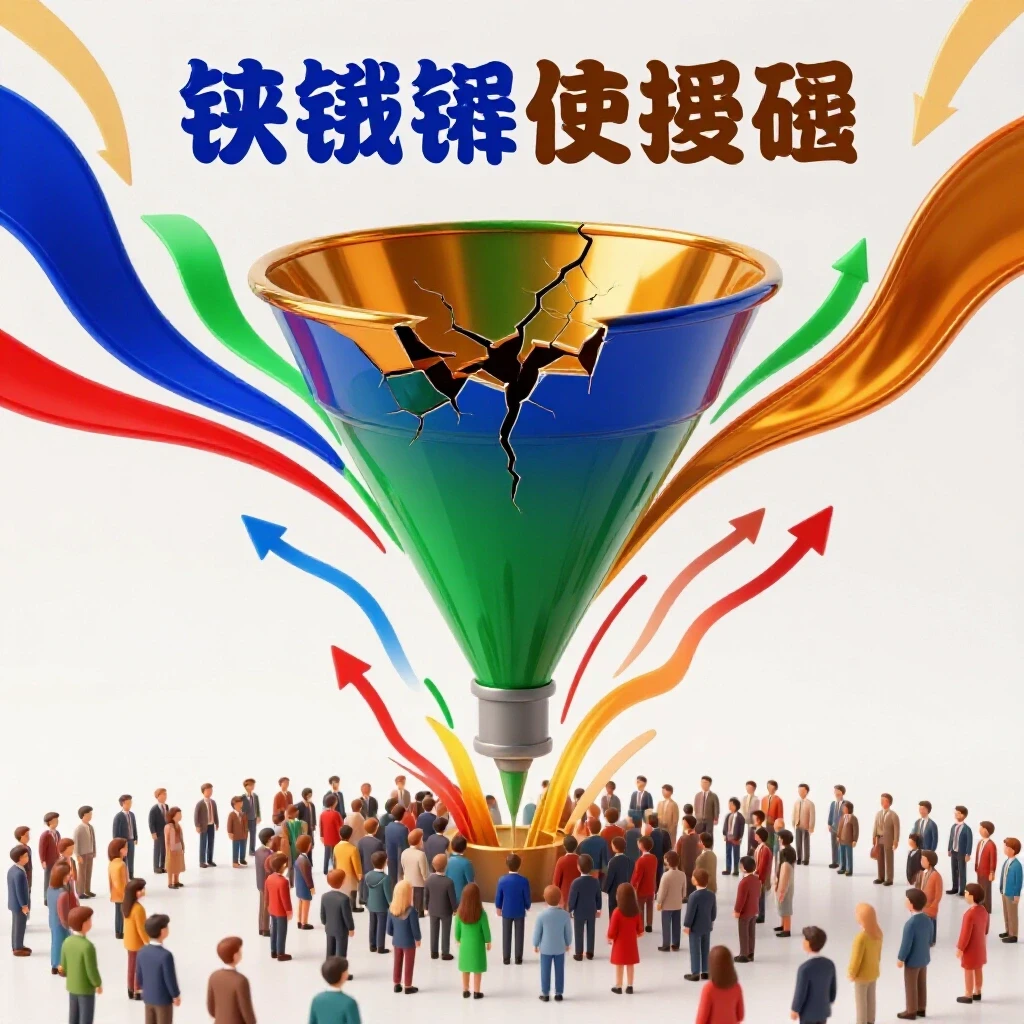
In my career, I have seen many managers fall into the trap of “vanity metric inflation.” This happens when you focus on big numbers that do not lead to real growth. For example, a post might go viral for the wrong reasons. You get a million views, but 90% of the comments are negative or from bot accounts. This creates a “noise” that confuses the platform’s recommendation engine.
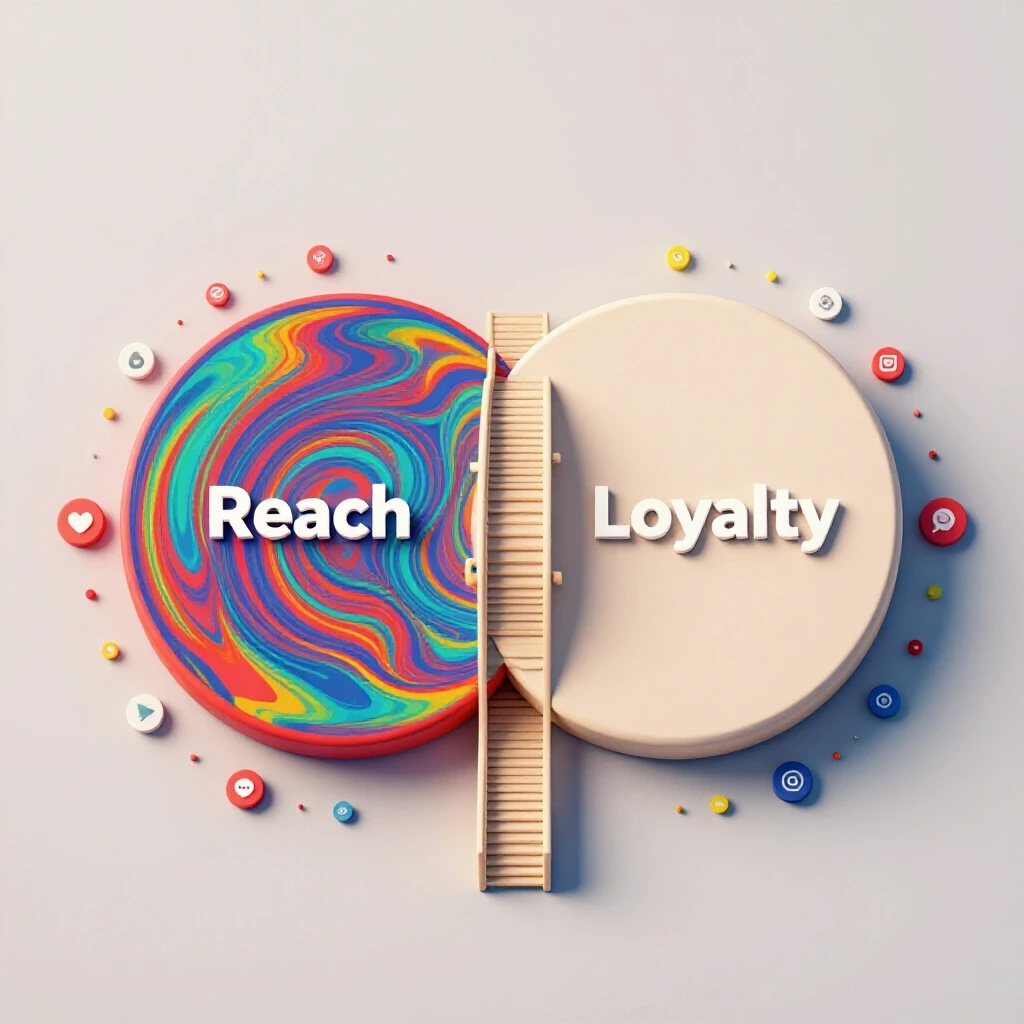
To start an algorithmic penalty diagnosis, you must first understand the baseline. You need to know what your “normal” looks like before you can spot a “crisis.” I recommend looking at your reach-to-follower ratio. If you have 100,000 followers but your posts only reach 2,000 people, something is wrong with your account’s standing.
Understanding Reach Velocity and Signal Decay
Reach velocity is the speed at which your content spreads across a platform immediately after posting. Signal decay occurs when the platform decides your content is no longer relevant, causing your impressions to drop sharply after a short window.
When I managed a recovery for a high-visibility tech brand, we noticed their reach velocity dropped by 60% in one week. The “total reach” for the month still looked okay because of one old post that was still circulating. However, new content was being suppressed. We realized that a series of community guideline warnings had triggered a “content moderation threshold.” This is a limit the platform sets on how much it will promote your account to new audiences.
The Role of Audience Sentiment Indices
An audience sentiment index is a way to measure the emotional tone of your community’s feedback. It turns qualitative data, like comments and mentions, into a numerical score that helps you track brand reputation recovery.
Metrics alone do not tell the whole story. You could have a high engagement rate because people are arguing in your comments. If your sentiment index drops from a positive 0.8 to a negative 0.2, your account is in trouble. Even if the reach looks healthy, the algorithm will eventually notice the high report rate from users. This often leads to a social media shadowban, where your content stops appearing in search results or “Explore” pages.
| Indicator | Healthy State | Warning Sign |
|---|---|---|
| Reach Velocity | Steady climb in first 2 hours | Immediate plateau after 15 minutes |
| Sentiment Index | Mostly positive/neutral (0.6+) | Sharp spike in negative keywords |
| Follower Growth | Organic, steady increases | Sudden loss of followers (the “purge”) |
| Direct Traffic | High percentage from “Search” | Reach only comes from “Home” feed |
Why Sudden Reach Drops Strike Brands and How to Recover
A sudden loss of traffic is usually the result of a specific trigger, such as a policy violation or a shift in the platform’s safety protocols. Recovery requires a root cause analysis to find out exactly which action caused the platform to limit your visibility.
I once worked with an agency that saw an overnight 80% drop in reach for their biggest client. They were panicked. We conducted an audit and found that a third-party scheduling tool they used was triggering “automated behavior” flags. The platform thought they were a bot. We didn’t need a new creative strategy; we needed to fix their technical connection to the API.
Diagnosing Search Suppression and Shadowbans
Search suppression is a “soft” penalty where your account remains active, but the platform hides your content from people who do not follow you. This is often called a shadowban, and it is one of the most frustrating challenges for a specialist.
To verify this, I use a simple “incognito” check. Search for your brand’s unique hashtags from an account that does not follow you. If your recent posts do not appear in the “Recent” tab, you are likely facing search suppression. This usually happens if you have used banned hashtags or if your account has been flagged for “coordinated inauthentic behavior.”
Evaluating Content Moderation Thresholds
Platforms use AI to score every post you make. If your content frequently borders on violating rules, your account accumulates “strikes” that stay in the backend system.
- Low Threshold: Your content is safe, and the platform promotes it widely.
- Medium Threshold: You have had a few posts removed. The platform limits your reach to non-followers.
- High Threshold: You are at risk of suspension. Your content is only shown to a small fraction of your own followers.
Formulating a Root Cause Recovery Plan
A recovery plan is a step-by-step document that outlines how you will fix the technical and social issues affecting your account. It serves as a roadmap for your team and a communication tool for your leadership.
When you are in the middle of an audience crisis management situation, emotions run high. I have found that presenting a data-backed plan to upper management helps lower the stress level. Instead of saying “the algorithm hates us,” you can say “we have identified a 15% increase in user reports which has triggered a temporary reach limit.”
Step 1: Impact Assessment and Risk Containment
Before you can fix the problem, you must stop the bleeding. This means pausing all scheduled posts and automated activities.
I remember a brand that kept posting their usual “happy” content during a major PR scandal. It made them look tone-deaf and led to even more user reports. We had to step in and stop all output for 48 hours. This “cooling-off period” is essential for brand reputation recovery. It gives the algorithm time to reset its immediate “high-risk” flagging of your account.
Step 2: Internal Stakeholder Alignment
You must be honest with your team and your bosses about the timeline for recovery. Restoration of reach is never instant.
I usually tell my clients to expect a baseline rehabilitation period of 30 to 90 days. If you promise a fix in a week, you will lose their trust when it doesn’t happen. Use a “Trust Recovery Phase Timeline” to show them that this is a methodical process.
| Phase | Duration | Primary Goal |
|---|---|---|
| Phase 1: Stabilization | 1-7 Days | Stop all violations and pause automation |
| Phase 2: Verification | 7-14 Days | Submit appeals and audit old content |
| Phase 3: Rehabilitation | 15-60 Days | Post high-quality, safe content to rebuild score |
| Phase 4: Full Restoration | 60-90 Days | Gradually return to original reach levels |
Submitting Platform Appeals and Navigating Support
The appeal process is the formal way to ask a platform to review a penalty or a content removal. It requires patience and a clear, evidence-based argument rather than an emotional plea.
In my experience, most people fail at appeals because they are too vague. They say, “We didn’t do anything wrong.” Instead, you should say, “Post ID #12345 was flagged for ‘spam,’ but it is a legitimate customer service update. Here is the context.” Most appeal timeline ranges are between 5 and 15 business days. Do not send multiple requests, as this can reset your place in the queue.
Tools for Monitoring and Documentation
To win an appeal, you need good records. I recommend keeping a “Recovery Log” that tracks every interaction you have with platform support.
- Native Insight Exports: Download your raw data weekly so you can show the exact moment the reach dropped.
- Screenshot Database: Document every warning or “account status” screen you see in the app.
- Third-Party Sentiment Trackers: Use tools that categorize comments to prove that your community sentiment is improving.
- Policy Change Logs: Keep a folder of platform news so you can see if a drop coincides with a new algorithm update.
Executing a Community Recovery Sequence
Once the technical issues are addressed, you must win back your audience. This involves a strategic sequence of content designed to prove you are a valuable member of the platform.
I once helped a brand recover from a massive backlash after a failed marketing campaign. We didn’t just apologize once and move on. We spent a month doing “active listening.” We posted content that asked for feedback and responded to every single comment. This helped our engagement drop resolution because it showed the platform that people were having positive, long-form interactions with our account again.
Rebuilding Trust Through Transparent Communication
Transparency is your best tool during a crisis. If you made a mistake that led to a penalty, own it.
- Acknowledge the issue: Tell your audience if you are experiencing technical difficulties or if you are changing your content direction.
- Invite Participation: Use polls and questions to get your “true” fans to engage. This sends a positive signal to the algorithm.
- Quality Over Quantity: During recovery, post less often but make every post high-value. This reduces the risk of further reports.
Measuring the Success of Your Recovery Campaign
You will know your recovery is working when your “reach velocity” begins to normalize. You should see your content being shown to non-followers again.
I track a metric I call the “Report-to-View Ratio.” In a healthy account, you should have almost zero reports per 1,000 views. If this number stays high, your recovery is not yet complete. You must continue to audit your content until your account status returns to “Good Standing” in the platform’s backend settings.
Implementing Ongoing Account Audits for Long-Term Protection
An audit should not be a one-time event during a crisis. It should be a regular part of your operational routine to prevent future setbacks.
I recommend a “Monthly Health Check.” Look for discrepancies between your reach and your engagement. If you see your “Shares” dropping while your “Likes” stay the same, it might be an early sign that your content is losing its value. Staying ahead of these trends is the only way to ensure audience reach recovery lasts.
- Check Account Status: Most platforms now have a “Professional Dashboard” or “Account Status” section. Check this weekly for any hidden strikes.
- Review Connected Apps: Every quarter, remove any third-party apps that you no longer use.
- Update Strategy Based on Policy: Platform rules change. What was okay last year might be a violation today.
- Audit Your Hashtags: Ensure you are not using “broken” or banned tags that can trigger search suppression.
Common Mistakes to Avoid During the Recovery Process
When the pressure is on, it is easy to make “rookie” mistakes that actually make the situation worse. I have seen these errors kill accounts that were otherwise salvageable.
- Buying Engagement: Never buy likes or followers to “boost” your numbers during a drop. The algorithm will detect this and likely move from a shadowban to a permanent suspension.
- Deleting Everything: Do not delete all your posts at once. This looks like suspicious behavior to the platform’s security AI. Only remove the specific content that caused the violation.
- Ignoring the Community: If you stop responding to comments because you are stressed, your engagement will drop further. Human interaction is the best way to signal that your account is “healthy.”
Recovery is a marathon, not a sprint. It requires a calm head and a commitment to data. By following a systematic diagnostic workflow, you can move from a state of crisis to a state of growth. My 14 years in this field have shown me that almost any account can be saved if you are willing to do the hard work of auditing the truth behind the numbers.
Frequently Asked Questions
What is the first sign that my account is facing an algorithmic penalty? The most common sign is a sharp, unexplained drop in reach to people who do not follow you. If your content is only being seen by your existing followers and has stopped appearing on discovery pages, you are likely facing search suppression. You should check your “Account Status” in the platform settings immediately to see if any violations are listed.
How long does it typically take to recover from a social media shadowban? Recovery usually takes between 14 and 90 days. The first 14 days are for “stabilization,” where you stop the behavior that caused the penalty. The remaining time is needed to rebuild your “trust score” with the platform through consistent, policy-compliant engagement. There is no way to “reset” this instantly.
Should I stop posting entirely if I suspect a penalty? I recommend a short “cooling-off” period of 24 to 48 hours to stop any immediate flagging. After that, you should continue to post, but at a lower frequency. Focus on high-quality content that encourages genuine conversation. Total silence for weeks can actually hurt your account’s long-term momentum.
How do I explain a sudden drop in metrics to my boss or client? Use data to tell the story. Show them the difference between “Total Reach” and “New Audience Reach.” Explain that the platform has adjusted its safety thresholds and that you are implementing a “rehabilitation plan” to restore the account’s standing. Focus on the steps you are taking to fix the root cause rather than just the loss of numbers.
Can a PR crisis cause an algorithmic penalty? Yes. If a PR crisis leads to a high volume of users reporting your account or blocking you, the algorithm will flag your account as “high risk.” This can lead to your content being suppressed even if you haven’t technically broken any written rules. Managing the community sentiment is a key part of recovery.
Is it better to start a new account or try to recover an old one? In most cases, it is better to recover the old account, especially if it has a large, established following. Starting over is difficult because new accounts are often under even stricter scrutiny by the platform’s anti-spam systems. Only start over if your account has been permanently disabled and your appeals have been exhausted.
What are “content moderation thresholds”? These are internal “scores” that platforms assign to accounts based on their history. If you have many posts removed or flagged, your score drops. Once you hit a certain threshold, the platform automatically limits how much it promotes your content to protect other users.
How do I know if my appeal was successful? You will usually receive a notification in your “Support Inbox.” However, the best way to tell is by monitoring your reach. If you see a gradual increase in “Impressions from Explore” or “Impressions from Search,” it means the platform has lifted the restrictions on your account.
Do third-party tools cause reach drops? They can if they use unauthorized methods to access the platform’s API. Always use tools that are “Official Partners” of the platform. If you suspect a tool is the problem, disconnect it immediately and change your account password to clear any active sessions.
What is “reach velocity” and why does it matter? Reach velocity is how fast your post gains views in the first few hours. If the velocity is high, the algorithm sees the post as “trending” and shows it to more people. If your velocity is capped, it is a sign that the platform is intentionally slowing down your content’s spread.
How can I track brand reputation recovery? Use a sentiment index. Categorize your comments into “Positive,” “Neutral,” and “Negative.” As your recovery progresses, you should see the percentage of negative comments decrease and the length of positive comments increase. Genuine, long-form comments are a strong signal of a healthy community.
What is the “Report-to-View Ratio”? This is the number of times users report your content divided by the total number of views. If you have 1 report for every 10,000 views, you are generally safe. If that ratio spikes to 1 per 1,000, the platform will likely begin suppressing your reach to prevent further complaints.
(This article was written by one of our staff writers, Andrew Collins. Visit our Meet the Team page to learn more about the author and their expertise.)