How Lack of Feedback Hurts Social Media Growth (Case Study)
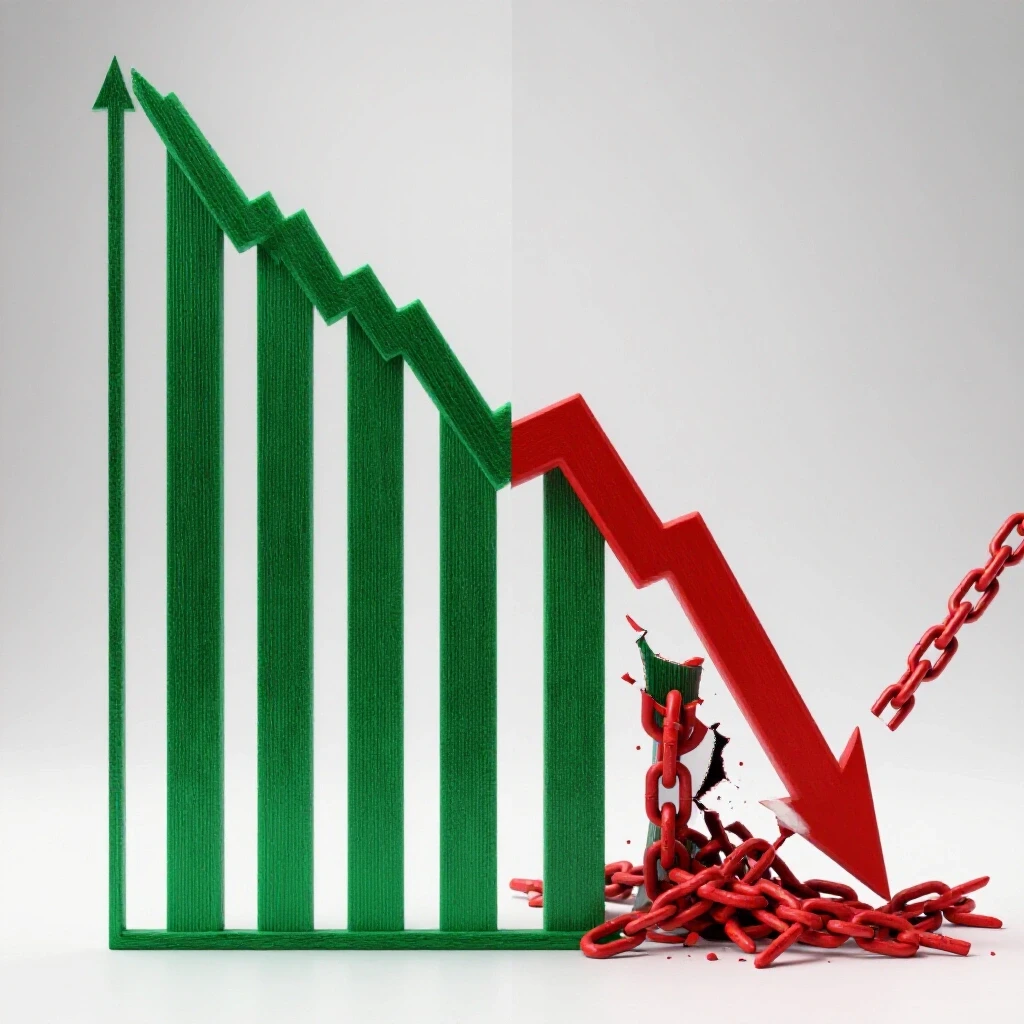
The dashboard was a sea of red. I sat in a dimly lit office, staring at a reach graph that looked like a cliff edge. Overnight, a major lifestyle brand I managed had lost 70% of its organic visibility. No warning. No notification. Just a deafening silence from an audience that used to be vibrant. The pit in my stomach was a familiar feeling from my 14 years in social operations. It is the feeling of a strategy that collapsed because we stopped listening to the very people we were trying to reach.
Diagnosing the Silent Decline in Audience Reach Recovery
Audience reach recovery is the systematic process of identifying why content is no longer appearing in user feeds and implementing steps to restore that visibility. It involves analyzing platform data to find the exact moment engagement patterns shifted.

In my experience, many managers mistake a general platform shift for a specific account penalty. I once worked with a tech firm that saw a massive engagement drop. They blamed the “algorithm” for three months. When I performed a deep-dive audit, I found they had ignored hundreds of comments complaining about a specific software bug. The audience had started reporting their posts as “spam” or “not interested” because the brand felt tone-deaf. This lack of a feedback loop meant the strategy was flying blind.
To start your recovery, you must distinguish between a site-wide trend and an account-level issue. If your competitors are still growing while you are stagnating, the problem is likely internal. You need to look at your reach velocity—the speed at which a post gains impressions in the first hour. If this has dropped by more than 50% compared to your 30-day average, you are likely facing a visibility filter.
| Diagnostic Metric | Healthy Range | Warning Sign | Action Required |
|---|---|---|---|
| Reach-to-Follower Ratio | 15% – 25% | Below 5% | Audit recent content for policy flags. |
| Engagement Variance | +/- 10% | -40% drop over 3 posts | Pause posting and check account status. |
| Sentiment Index | Positive/Neutral | Spiking Negative | Initiate crisis communication plan. |
| Save Rate | 1% of Reach | Near Zero | Re-evaluate content utility and value. |
Identifying Algorithmic Penalty Diagnosis through Pattern Recognition
Algorithmic penalty diagnosis is the act of investigating whether a platform has restricted your content due to policy violations or low-quality signals. This process requires comparing your account’s current performance against historical baselines and platform transparency tools.
What we often call a “shadowban” is technically known as search suppression or visibility filtering. Platforms like Instagram and X use these tools when an account frequently triggers “borderline content” thresholds. These are posts that do not quite break the rules but are close enough to be deemed “low quality.” I have seen brands lose months of growth because they used banned hashtags or engaged in “engagement bait” without realizing it.
- Check your “Account Status” in the platform settings. This is the first place to look for documented violations.
- Monitor your “non-follower” reach. If your content only reaches people who already follow you, your “Discovery” or “Explore” access has likely been revoked.
- Look for a “reach ceiling.” If every post stops gaining views at a specific number (e.g., exactly 1,000), a filter is likely in place.
The High Cost of Operating Without Direct Audience Input
Operating without audience input means making creative decisions based on internal assumptions rather than real-time user data and sentiment. This creates a disconnect that often leads to a total collapse of engagement and brand trust.
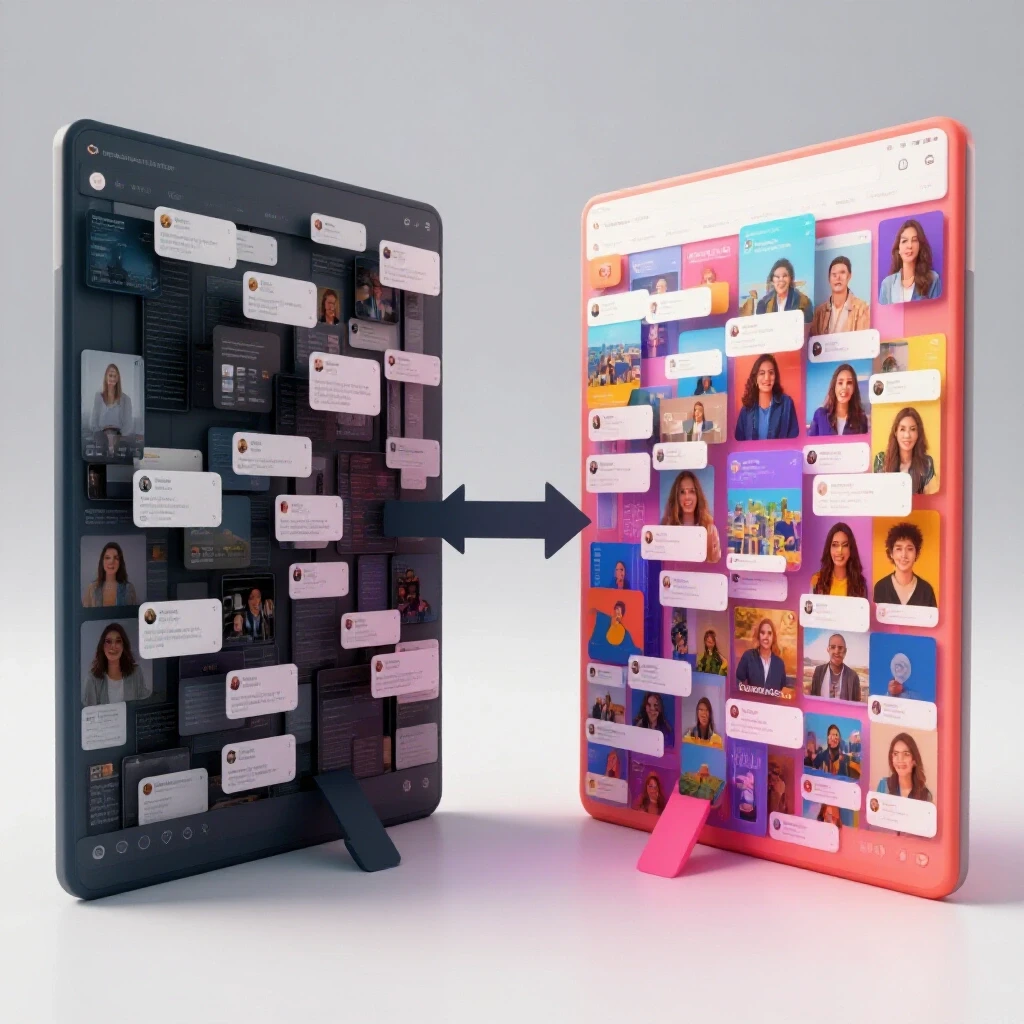
I remember a retail brand that decided to pivot their entire aesthetic to “minimalist” because the creative director liked the look. They didn’t test this with their audience. Within two weeks, their engagement dropped by 60%. The audience, who loved the brand for its vibrant and chaotic energy, felt alienated. Because the team wasn’t monitoring sentiment, they didn’t see the “this isn’t you” comments until the damage was done.
When you ignore the feedback loop, you miss the early warning signs of a failing strategy. You continue to invest ad spend and creative hours into content that the platform’s recommendation engine has already flagged as irrelevant. This is how “zombie accounts” are made—accounts that post daily but reach no one.
Why Content Misalignment Triggers Brand Reputation Recovery Needs
Brand reputation recovery is the effort to fix the relationship between a company and its audience after a period of negative sentiment or poor communication. It focuses on transparency, apology, and a return to value-driven content.
Content misalignment happens when what you post contradicts what your audience expects or values. This often leads to a “report spike.” If a high percentage of users click “See Fewer Posts Like This,” the platform’s safety validation protocols kick in. They assume your account is either compromised or spammy. I once managed a recovery for a brand that accidentally posted a culturally insensitive meme. The resulting surge in user reports didn’t just hurt that one post; it tanked their reach for the next 45 days.
- Acknowledge the shift. If the data shows the audience is unhappy, do not ignore it.
- Review report-to-view ratios. A healthy ratio is usually below 0.01%. Anything higher suggests a major misalignment.
- Audit your “Brand Safety” settings. Ensure your content isn’t being flagged by automated filtration systems for sensitive keywords.
Formulating a Root Cause Recovery Plan for Stakeholders
A root cause recovery plan is a structured document that explains to leadership why performance has dropped and outlines the specific steps needed to fix it. It moves the conversation away from “the algorithm is broken” toward “here is how we will adapt.”
Communicating a 50% drop in traffic to a CEO is the most stressful part of our job. In my 14 years, I have learned that honesty wins over excuses every time. I use a “Recovery Metric” spreadsheet to show them that while reach is down, we have identified the cause—be it a policy violation or a shift in audience interest—and have a 15-day rehabilitation period planned.
- Step 1: The Impact Assessment. Quantify the loss in reach, engagement, and potential revenue.
- Step 2: The Trigger Identification. Was it a specific post? A change in platform guidelines? A lack of engagement with comments?
- Step 3: The Containment Phase. Pause all non-essential posting to prevent further negative signals.
- Step 4: The Incremental Testing Phase. Post low-risk, high-value content to see if the reach “ceiling” has lifted.
Managing Audience Crisis Management during Public Setbacks
Audience crisis management is the immediate tactical response to a surge in negative feedback or a public relations error on social media. The goal is to stop the spread of negativity and prevent long-term algorithmic damage.
When a crisis hits, your first instinct might be to delete the post or turn off comments. In most cases, this is a mistake. It signals to both the audience and the platform that you are hiding. Instead, I recommend a “Listen and Pivot” strategy. Use sentiment monitoring tools to categorize the complaints. Are people angry about a product, a statement, or a lack of response?
I once handled a crisis where a brand’s server went down for 48 hours. The social team stayed silent. The “silence” was interpreted as “we don’t care.” By the time they posted, the audience was so hostile that the platform suppressed the post due to the high volume of negative keywords in the comments. We had to implement a 10-day “Community First” sequence, where we did nothing but answer questions and provide updates before returning to regular marketing.
Implementing an Engagement Drop Resolution through Iterative Testing
An engagement drop resolution is a series of controlled content experiments designed to find out what type of posts will “unlock” the platform’s recommendation engine again. It is a slow, methodical process of trial and error.
Recovery doesn’t happen with one “viral” post. In fact, trying to go viral during a penalty often makes things worse. You need to rebuild your “Account Health Score.” This is an internal metric platforms use to decide how much they trust your content. To improve it, you need consistent, high-quality interactions.
- Phase 1: The Baseline Check (Days 1-3). Post one simple, high-value image or text post. Do not include external links or hashtags. See how many people it reaches naturally.
- Phase 2: The Engagement Test (Days 4-7). Post content that asks a direct, easy-to-answer question. Respond to every single comment within 30 minutes.
- Phase 3: The Reach Expansion (Days 8-15). Reintroduce short-form video or trending formats. Monitor if the “non-follower” reach starts to climb back toward 10%.
Executing a Community Recovery Sequence
A community recovery sequence is a planned series of posts aimed at rebuilding the “social contract” with your followers. It moves from acknowledging past issues to providing new, undeniable value.
I managed a recovery for a brand that had become too “salesy.” Their reach had hit an all-time low because no one was interacting with their constant product pitches. Our recovery sequence looked like this: 1. The “We Hear You” Post: A transparent look at how we were changing our content strategy based on their feedback. 2. The “Pure Value” Posts: Three days of educational content with zero calls to action. 3. The “Behind the Scenes” Posts: Showing the humans behind the brand to rebuild empathy. 4. The “Re-Engagement” Post: A small giveaway or interactive poll to spike the engagement rate.
This sequence works because it provides the platform with “positive signals.” When people spend time on your posts and leave thoughtful comments, the algorithm begins to re-categorize your account as “high quality.”
Long-Term Account Audits and Feedback Loop Integration
Long-term account audits are regular, deep-dive reviews of your social health to ensure you never drift away from audience expectations again. They turn “listening” into a permanent operational task.
The biggest mistake I see is brands “recovering” and then going right back to the old habits that caused the failure. You must build a feedback loop into your weekly workflow. This isn’t just looking at “likes.” It is reading the comments, checking the share-to-save ratio, and monitoring the sentiment of the conversations happening around your brand.
- Weekly Sentiment Tracking: Use a simple scale of 1-10 to rate the mood of your community.
- Monthly Policy Review: Check for any updates to platform Community Guidelines. What was “okay” six months ago might be “borderline” now.
- Quarterly Content Audit: Identify your bottom 10% of posts and find the common thread. Is it the format? The tone? The timing? Remove these from your future strategy.
Trust Recovery Phase Timeline
Restoring a brand’s reach is not an overnight task. It is a marathon that requires patience and data-backed adjustments.
| Phase | Duration | Primary Goal | Key Metric |
|---|---|---|---|
| Diagnosis | 1-3 Days | Find the root cause of the drop. | Reach Velocity |
| Containment | 3-5 Days | Stop the “negative signal” flow. | Report Rate |
| Rehabilitation | 7-14 Days | Re-establish account quality. | Engagement Rate |
| Expansion | 14-30 Days | Regain “Explore” and “Discovery” reach. | Non-Follower Reach |
| Stabilization | 30+ Days | Maintain new growth patterns. | Follower Growth |
Practical Tools for Monitoring and Recovery
To manage this process, you need more than just the native “Insights” tab. You need a suite of diagnostic tools that give you the “why” behind the “what.”
- Sentiment Analysis Platforms: These help you track the emotional tone of your mentions and comments.
- Platform Transparency Centers: Always bookmark the official “Status” or “News” blogs for Meta, X, and TikTok to see if a reach drop is a global platform bug.
- Competitor Benchmarking Tools: If your reach is down but your direct competitor’s reach is up, you know the issue is specific to your account.
- Hashtag and Keyword Auditors: Use these to ensure you aren’t accidentally using terms that trigger automated “Sensitive Content” filters.
- Internal Feedback Logs: Keep a simple spreadsheet of common customer complaints or questions from your social channels.
Conclusion: The Path Back to Growth
Recovering a brand’s social presence is a test of resilience. When the numbers tank and the pressure from leadership mounts, it is tempting to look for “hacks” or “quick fixes.” But in my 14 years of experience, the only way back is through the data. You must diagnose the error, acknowledge the lack of feedback, and rebuild your strategy post by post.
FAQ: Navigating Reach Drops and Account Recovery
How can I tell if I have an algorithmic penalty or if my content is just bad? Check your reach among non-followers. If your content is still appearing on “Explore” or “For You” pages, even at a lower rate, you likely have a content quality issue. If your non-follower reach has dropped to near zero, you are likely facing an algorithmic penalty or visibility filter.
How long does it take to recover from a shadowban? Most visibility filters last between 14 and 30 days, provided you stop the behavior that triggered the filter. If you continue to post “borderline” content during this time, the period can be extended indefinitely.
Should I stop posting entirely if my reach drops? I recommend a “cooling off” period of 48 to 72 hours. This allows the “report spike” to settle. After that, resume with low-risk, high-value content. Total silence for weeks can actually hurt your standing in the recommendation engine.
Can I appeal a reach drop to the platform? You can only appeal specific “Content Removals” or “Account Status” violations. You cannot appeal a general drop in reach. Your “appeal” is your future content—you must prove to the algorithm through positive user signals that your account is worth showing again.
What is the most common cause of sudden engagement drops? Aside from platform-wide updates, the most common cause is a “Sentiment Shift.” This happens when a brand continues a strategy that worked six months ago but no longer resonates with the current audience mood, leading to “hidden” negative feedback like “Mute” or “See Fewer Posts.”
Does buying engagement help recover a penalized account? Never. Buying likes or views is a severe violation of platform terms. It will almost certainly lead to a permanent “trust score” reduction or a total account ban. Platforms are very good at detecting these inorganic spikes.
How do I explain a reach drop to my boss without sounding incompetent? Present the data as a “Market and Policy Shift.” Show them the specific platform guideline changes or the shift in audience sentiment. Provide a clear 30-day recovery roadmap with specific milestones. This shows you are in control of the situation.
What are “borderline content” thresholds? These are automated filters that identify content that is almost—but not quite—violating community standards. This includes things like clickbait, sensationalism, or overly promotional content. Reaching these thresholds repeatedly will cause the platform to suppress your reach.
How often should I audit my social media strategy for feedback loops? I recommend a “Mini-Audit” every week and a “Deep-Dive Audit” every month. Social media moves too fast for quarterly reviews to be your only check-in point.
Can a public PR crisis cause a permanent drop in reach? It is rarely permanent if handled correctly. However, if the brand fails to apologize or change its behavior, the audience will continue to provide “negative signals” (unfollows, reports, mutes), which will keep the reach suppressed long-term.
(This article was written by one of our staff writers, Andrew Collins. Visit our Meet the Team page to learn more about the author and their expertise.)