Which Social Media Platform Is Best for Marketing? (Full Guide)
Many marketing leaders believe that being present on every available social network is the only way to capture a full audience. In my ten years of managing brand portfolios, I have found the opposite to be true. Spreading a budget too thin across five or six platforms often leads to diluted results and exhausted creative teams. I once worked with a mid-sized retail brand that insisted on maintaining active profiles on every emerging app. Within six months, their engagement dropped by 40% because they could not keep up with the specific content demands of each community. We eventually cut their active channels in half, focused on where their buyers actually spent time, and saw a 25% increase in total conversions. Success in the current landscape is not about being everywhere; it is about being in the right places with the right intent.

Strategic Platform Comparison Analysis for 2026
This framework defines how to weigh different social networks against specific business goals. It involves looking at user intent, cost per acquisition, and how well a platform’s native tools support your sales funnel. By setting these parameters early, you can justify your budget choices to stakeholders with clear data rather than just following trends.
When I start a platform comparison analysis, I look at the “intent” of the user. Are they there to learn, to be entertained, or to shop? For example, a user on LinkedIn is often in a “work” mindset, making them more receptive to B2B offers. A user on TikTok is usually looking for a “break,” which requires high-energy, entertaining content.
To help you decide, we must look at organic reach decay. This is the natural drop in how many people see your unpaid posts over time. On platforms like Facebook, organic reach for brands has hovered around 2% to 5% for years. Meanwhile, newer recommendation engines might give a single video millions of views if it hits the right signals.
I recommend using a “60/40 budget split” for most diversified portfolios. You put 60% of your resources into your “lead channel”—the one with the proven ROI—and 40% into “secondary support” channels that build brand awareness or provide customer service.
- Lead Channel (60%): Focused on direct response and sales.
- Support Channels (40%): Focused on community growth and top-of-funnel reach.
Decoding Audience Demographic Trends Across Networks
Understanding who uses which app is the foundation of any successful campaign. This section explores how age groups and interests have shifted across the major networks over the last few years. We look at where users go for entertainment versus where they go to make professional or purchasing decisions for better targeting.
In my experience, demographics are no longer as rigid as they used to be. We are seeing significant “aging up” on platforms that were once considered only for teenagers. According to research from the Reuters Institute, older millennials and Gen X are now among the fastest-growing segments on short-form video apps.
I have tracked a specific shift in Facebook’s utility. While younger users may not post status updates, they use the Marketplace and Groups features heavily. This makes Facebook a powerful tool for local targeting and community-based marketing, even if the “feed” feels less active.
| Platform | Primary Age Group | Key User Behavior | Best For |
|---|---|---|---|
| 18–34 | Visual Discovery | Brand Aesthetics / E-commerce | |
| TikTok | 13–24 | Entertainment / Search | Viral Reach / Trends |
| 25–54 | Career Growth | B2B / Thought Leadership | |
| 35–65+ | Community / Utility | Lead Gen / Local Sales | |
| X (Twitter) | 25–44 | Real-time News | PR / Real-time Engagement |
Why Conflicting Platform Algorithms Complicate Budgets
Algorithms determine who sees your content and when they see it. This section breaks down the mechanics of recommendation engines versus traditional social feeds. Understanding these signals helps you tailor your creative assets to meet the specific requirements of each platform’s unique delivery system for better reach and engagement.
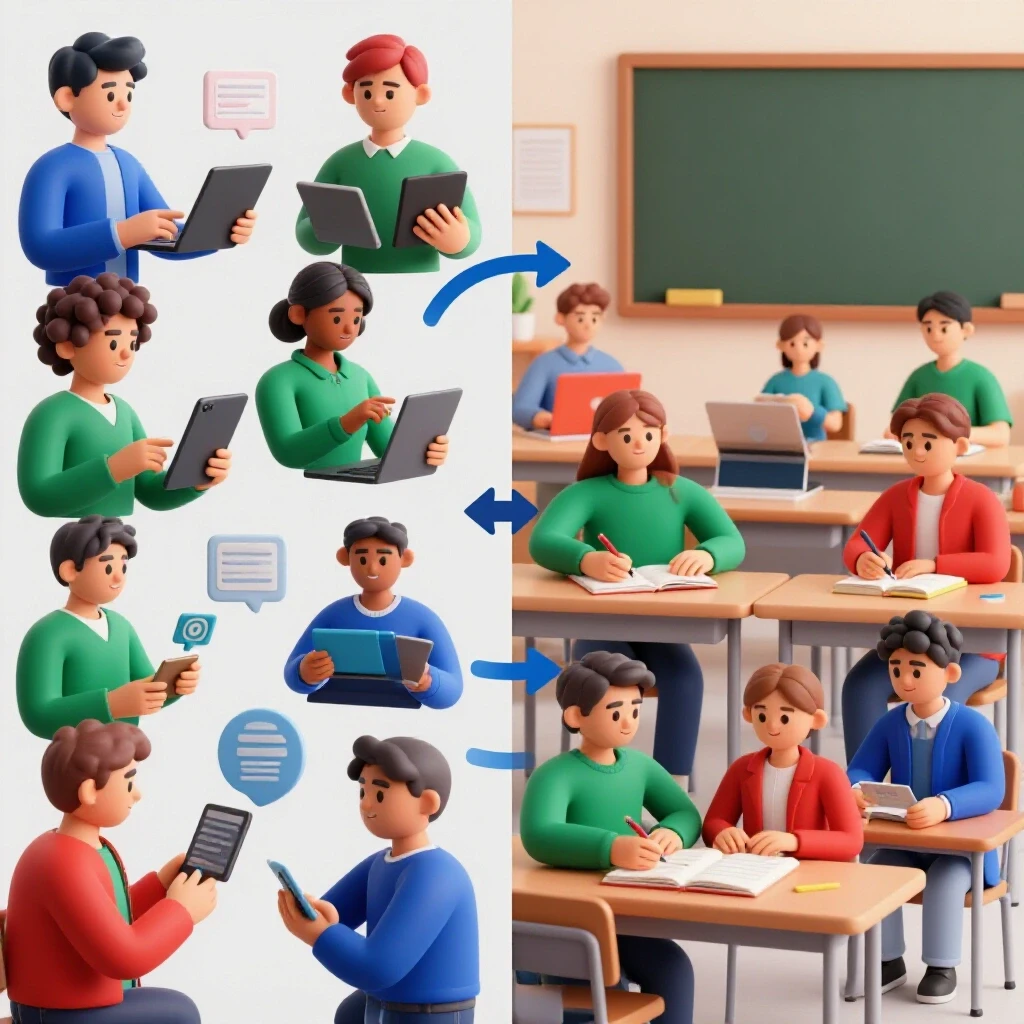
There are two main types of algorithms you need to understand: the Social Graph and the Interest Graph. The Social Graph (like early Facebook) shows you content from people you follow. The Interest Graph (like TikTok and Instagram Reels) shows you content based on what you like, regardless of who made it.
This shift to interest-based feeds has made cross-platform marketing more difficult. You can no longer post the same video everywhere and expect it to work. Each app has its own “native retention signals.” On one app, the most important signal might be how many people finish your video. On another, it might be how many people share it to their private messages.
In 2025, I managed a campaign for a fitness app. We found that the algorithm on one platform rewarded “saves,” so we made educational carousels. Another platform rewarded “watch time,” so we made long-form workout demos. By matching the content to the algorithm’s favorite signal, we kept our costs-per-click (CPC) below $1.20 across the board.
- Retention Signal: How long a user stays on your content.
- Engagement Signal: Likes, comments, and shares.
- Relationship Signal: How often a user interacts with your specific brand.
Measuring Social Channel Optimization Through Unified Metrics
Success in a fragmented market requires a unified approach to data. This section covers the metrics that actually matter, from video retention to conversion rates. We discuss how to reconcile conflicting data points from different platforms to create a clear picture of your total return on investment for your board.
One of the biggest pain points for managers is “platform-native” reporting. Every app wants to look like it is performing the best. They use different “attribution windows,” which is the amount of time they claim credit for a sale after someone sees an ad. One app might claim a sale if someone saw an ad 28 days ago, while another only counts it for 7 days.
To solve this, I use a unified report card. I look at “Placement-Level CTR” (Click-Through Rate). This tells me which specific spots—like a Story versus a Feed post—are actually driving traffic. If a Story has a 1.5% CTR but the Feed only has 0.5%, I move the budget to Stories.
- Video Hook Rate: The percentage of people who watch the first 3 seconds.
- Hold Rate: The percentage of people who watch at least 15 seconds.
- Conversion Rate: The percentage of visitors who complete a purchase.
- ROAS: Return on Ad Spend (Revenue divided by Cost).
| Placement Type | Average CTR (%) | Typical Cost (CPM) | Primary Goal |
|---|---|---|---|
| IG Stories | 0.8% – 1.5% | Moderate | Direct Sales |
| FB Feed | 0.5% – 1.2% | High | Lead Generation |
| TikTok In-Feed | 0.3% – 0.9% | Low | Brand Awareness |
| LinkedIn Sponsored | 0.4% – 0.6% | Very High | B2B Leads |
Building a Real Placement Blueprint for Consistent ROI
A placement blueprint is a detailed plan for where your ads and posts appear. It moves beyond simple channel selection to focus on specific formats like Stories, Reels, or Feed posts. This strategy ensures your message fits the user’s current mindset, leading to higher engagement and better conversion.
When I build a blueprint, I start with asset customization. A common mistake is using a horizontal video for a vertical placement. This looks like an ad and people skip it immediately. Your content should look “native,” meaning it looks like it was made by a regular user of that app.
I use a “Testing Sequence” for every new campaign. Before spending $10,000, I spend $500 on three different platforms to see which one has the lowest “Cost Per Lead.” I once found that while TikTok had the cheapest clicks, LinkedIn had the highest quality leads that actually turned into sales. The “cheaper” platform ended up being more expensive in the long run.
- Identify the Goal: Are you selling a product or building a list?
- Map the Audience: Use the demographic table to pick your top two channels.
- Create Native Assets: Film vertically for mobile-first apps.
- Run a 7-Day Test: Spend a small amount to gather baseline data.
- Reallocate Budget: Move money to the winning placements based on ROI.
Practical Tools for Multi-Channel Management
Managing a diversified portfolio requires a stack of tools that can talk to each other. These tools help you schedule content, track clicks, and see all your data in one place. Without them, you will spend hours manually downloading spreadsheets from every different platform you use.
- Scheduling Dashboards: Tools like Hootsuite or Sprout Social allow you to see your entire content calendar in one view.
- Attribution Software: Tools like Triple Whale or Northbeam help you see the “true” path a customer took before buying, even across different apps.
- Creative Suites: Canva or Adobe Express help you quickly resize one image for ten different platform formats.
- Unified Reporting: Looker Studio can pull data from multiple APIs to create one dashboard for your executive board.
- Audience Mapping Worksheets: Simple spreadsheets where you track where your target customers are moving each quarter.
Next Steps for Your Marketing Strategy
To move forward, I suggest starting with an “account audit.” Look at your last three months of data. Which platform has the highest engagement-to-follower ratio? Which one has the lowest cost-per-acquisition? If a platform is not performing, do not be afraid to “retire” it. I have closed many brand accounts that were simply wasting time and money.
Focus on your “lead channel” first. Perfect your creative there before trying to copy it elsewhere. Remember that the goal is business growth, not just “likes.” By using a data-driven approach, you can justify every dollar of your budget to your clients or your board.
Frequently Asked Questions
How do I handle conflicting data between platforms? Platforms often over-report their own success. Use a third-party tracking tool or Google Analytics 4 (GA4) with UTM parameters to see which channel actually drove the final click. This provides a “source of truth” that is independent of the social networks.
What is the best way to explain algorithm changes to a board? Explain them as “supply and demand.” When an algorithm changes, it usually means the platform is trying to keep users on the app longer. If your content helps the platform keep users, your reach goes up. If it doesn’t, your “cost to play” goes up.
Should I use the same creative on Instagram and TikTok? You can use the same base footage, but the editing should be different. TikTok favors faster cuts and trending sounds. Instagram favors slightly higher production value and clear brand aesthetics. Always use the native text tools within each app to make the content feel “real.”
What is a “native placement” and why does it matter? A native placement is an ad that looks like the organic content around it. For example, an ad in a Facebook feed should look like a post from a friend. If it looks too much like a commercial, users have “ad blindness” and will scroll past it immediately.
How often should I reallocate my social media budget? I recommend a monthly review for minor shifts and a quarterly review for major changes. If a new platform feature (like a new video format) is performing well, you might move 10% of your budget there immediately to take advantage of the early-adopter reach.
Is organic reach officially dead for brands? It is not dead, but it has changed. You can no longer expect reach just by “showing up.” You must create content that people want to share or save. Organic reach is now a reward for high-value content, rather than a right for every account.
What is the most important metric for B2B brands in 2026? “Cost Per Qualified Lead” remains the gold standard. While engagement is nice, B2B brands need to track how many of those social interactions turn into actual sales conversations. LinkedIn often has a higher CPC but a much higher lead quality.
How do I stay ahead of demographic shifts? Monitor independent reports from places like eMarketer or the Reuters Institute twice a year. These organizations track where users are moving before the platforms themselves report the data. This gives you a head start on moving your budget to the next growth area.
Why is “video retention” so important now? Most algorithms in 2026 use “watch time” as their primary ranking signal. If people stop watching your video after two seconds, the algorithm stops showing it to new people. Improving your “hook” is the fastest way to lower your marketing costs.
Can I manage five platforms with a small team? It is very difficult to do well. I suggest mastering two platforms first. Once those are automated and profitable, you can use the revenue they generate to hire help for a third or fourth channel. Quality always beats quantity in social media.
(This article was written by one of our staff writers, Jonathan Mercer. Visit our Meet the Team page to learn more about the author and their expertise.)