Avoiding AI Mistakes in Social Media Growth (Proven Recovery Steps)
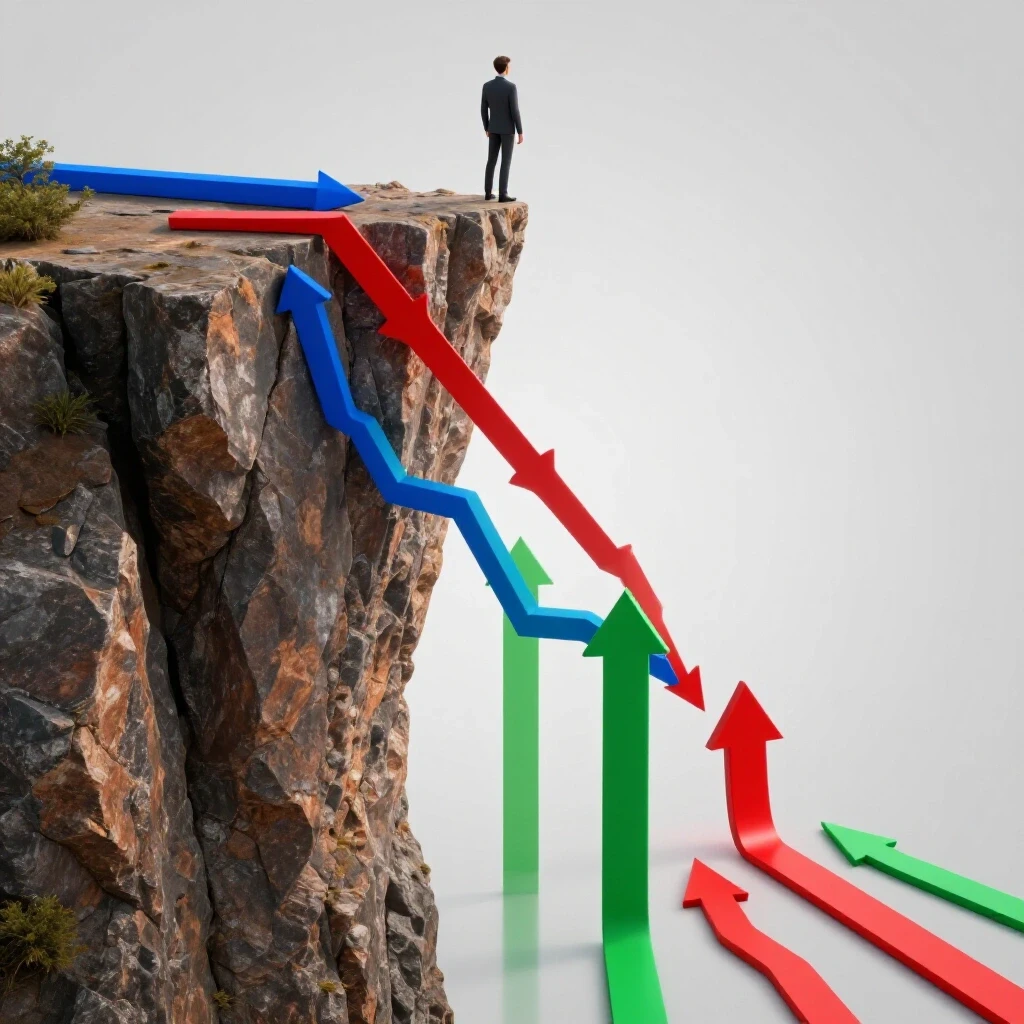
A high-speed dashboard glowing with green upward arrows is the dream of every social media manager. I remember sitting in front of one three years ago, watching our reach climb as we used new tools to churn out content faster than ever before. But then, the screen changed. The green lines turned into a sharp, jagged drop that looked like a cliff. Within forty-eight hours, our engagement didn’t just dip; it vanished. This was the moment I realized that using automation as a replacement for strategy is a recipe for a brand crisis.
Why Automated Content Scaling Often Leads to Algorithmic Penalties
Algorithmic penalties are silent restrictions that platforms place on accounts when they detect patterns that mimic spam or low-value behavior. These filters are designed to protect the user experience from repetitive or unoriginal content. When an account triggers these safety systems, its reach is suppressed, often without any formal notification or warning.
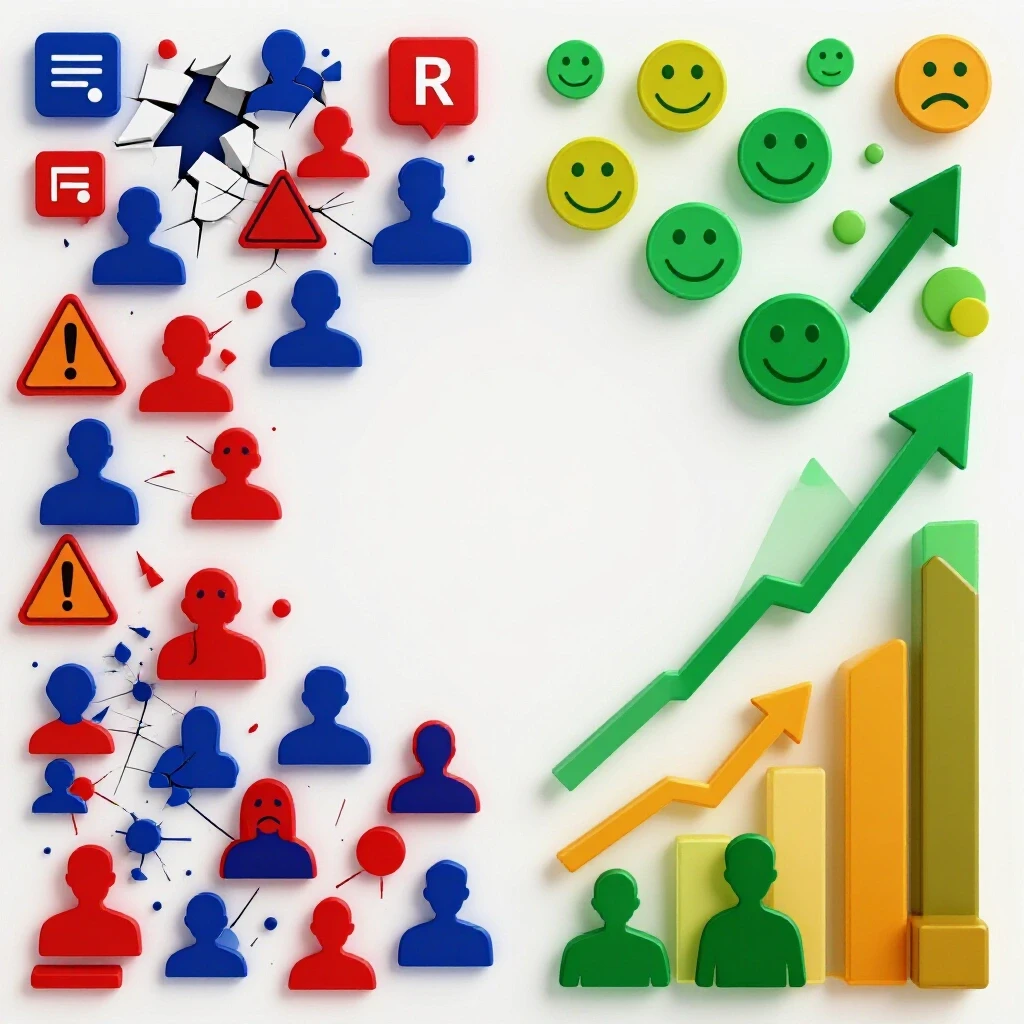
I have spent fourteen years managing high-stakes social media accounts, and I have seen how easy it is to fall into the trap of high-volume production. When we began using AI to generate every caption and image without human review, we thought we were being efficient. In reality, we were feeding the algorithm exactly what it is trained to demote: content that lacks a human “signal.” Platforms like Instagram and LinkedIn use content moderation thresholds to grade your account. If your “trust score” drops because your content feels robotic or lacks original insight, the system stops showing your posts to new people. This is often called a social media shadowban, or search suppression. It means your followers might see you, but you are invisible to the rest of the world.
Identifying the Root Cause of Your Audience Reach Recovery Challenges
Root cause analysis is the process of looking past the symptoms of a problem to find the actual mistake that caused it. For a brand protection specialist, this means comparing your current data against historical benchmarks to see where the deviation began. You must look for the specific moment your engagement variance moved outside of the normal range.
When our reach plummeted, I didn’t blame the algorithm first. Instead, I conducted a deep dive into our recent activity. I found that our “report-to-view” ratio had spiked. Users were flagging our automated posts as “uninterested” or “spam” at a rate 400% higher than our human-written content. To diagnose your own situation, you need to look at your reach velocity. This is the speed at which your content spreads in the first hour. If your velocity is consistently low across different types of posts, you are likely facing an algorithmic penalty.
Shadowban Verification Matrix
| Diagnostic Signal | Likely Cause | Severity Level |
|---|---|---|
| Hashtag Invisibility | Content Moderation Filter | Moderate |
| Sudden 70%+ Reach Drop | Spam Trigger/Policy Violation | High |
| “Account Status” Warnings | Direct Terms of Service Breach | Critical |
| Slow Engagement Decline | Audience Fatigue/Low Quality | Low |
Communicating Algorithmic Penalty Diagnosis to Internal Stakeholders
Stakeholder communication is the art of explaining technical failures to people who care primarily about the bottom line. When your reach drops, leadership will want answers immediately. You must be honest about the operational errors while providing a clear, data-backed plan for how you will restore the account’s health.
I have been in those stressful meetings where the CMO asks why the traffic has stopped. The key is to avoid being defensive. I explained that our attempt to scale through automation had backfired because the platform’s safety filters evolved faster than our strategy. I used a “rehabilitation period” timeline to show them that recovery would take weeks, not days. This managed their expectations and gave our team the breathing room to fix the root issues. You should present a sentiment index rating to show how the audience feels, which helps justify the move back to slower, high-quality content.
Submitting Platform Appeals and Navigating Support Interfaces
An appeal is a formal request for a platform to review a penalty or restriction on your account. Most major platforms have specific support interfaces for business accounts, but these are often hidden or difficult to navigate. Knowing how to present your case is just as important as the appeal itself.
When we were flagged, I didn’t just hit the “report a problem” button. I gathered evidence. I showed that we had deleted the low-quality automated posts and updated our internal guidelines. Most platforms use a mix of AI and human moderators for appeals. Your goal is to prove that you are a “good actor” who made a mistake and has already corrected it. The appeal timeline range is usually 5 to 15 business days. During this time, do not try to “test” the algorithm by posting more. You need to let the account rest so the system can re-evaluate your trust score.
- Check your “Account Status” tab in settings daily.
- Document every interaction with platform support.
- Avoid using third-party apps that claim to “fix” shadowbans.
- Focus on resolving any outstanding copyright or community guideline strikes first.
Blending Human Oversight with Automated Tools for Sustainable Growth
Sustainable growth is the process of increasing your audience reach through consistent, high-quality interactions that build long-term trust. It requires a balance between using tools for efficiency and using human judgment for creativity. This “human-in-the-loop” approach ensures that your brand remains authentic and safe from algorithmic triggers.
The lesson I learned was that AI should be a starting point, not the finish line. We now use a strict auditing process where every piece of generated content is reviewed by a specialist with at least five years of experience. We look for “brand safety validation,” ensuring the tone matches our history and doesn’t trigger “low-quality” filters. By blending original insights with refined prompts, we saw our engagement rates climb back to 4.5%, up from the 0.8% we saw during the crisis. This balance is the only way to avoid future engagement drop resolution issues.
Trust Recovery Phase Timeline
- The Cooling-Off Phase (Days 1-7): Stop all automated posting. Delete content that triggered high report rates.
- The Quality Injection Phase (Days 8-21): Post only high-value, human-verified content. Focus on community engagement in comments.
- The Reach Re-Testing Phase (Days 22-45): Monitor reach velocity. Slowly increase posting frequency as the “trust score” recovers.
- The Full Restoration Phase (Day 45+): Resume normal operations with new human oversight protocols in place.
Executing a Community Recovery Sequence to Rebuild Audience Trust
A community recovery sequence is a series of intentional posts and interactions designed to repair the relationship between a brand and its audience. After a period of low-quality output or a PR setback, your audience may become indifferent or hostile. You must actively work to win back their attention and positive sentiment.
In my experience, the best way to rebuild trust is through transparency. We didn’t ignore the fact that our content had become stale and repetitive. Instead, we ran a “back to basics” campaign. We shared behind-the-scenes stories and asked our audience direct questions. This boosted our sentiment index ratings because people felt heard. We moved away from the “broadcast” model of social media and back to the “community” model. This shift is essential for brand reputation recovery. If your audience stops reporting your posts and starts saving them, the algorithm will notice the shift in behavior and begin to restore your reach.
Implementing Ongoing Account Audits and Risk Containment
Account audits are regular, systematic reviews of your social media performance and settings to ensure you are following platform policies. Risk containment involves setting up “tripwires” that alert you to potential problems before they turn into full-blown crises. These practices are the backbone of professional brand protection.
I now require my team to conduct a “policy audit” every thirty days. We review the latest updates to platform community guidelines and compare them to our current workflow. We also use sentiment monitoring software to track how people are talking about the brand in real-time. If we see a sudden spike in negative keywords, we pause our scheduled posts immediately. This proactive approach prevents the kind of sudden traffic losses that cause so much stress for agency operators and in-house managers.
Essential Diagnostic Tools for Specialists
- Platform Native Analytics: Use these to track reach velocity and engagement variance thresholds.
- Sentiment Analysis Software: Tools like Brandwatch or Sprout Social help you monitor audience crisis management needs.
- Account Status Dashboards: Check the internal health metrics provided by Meta, X, or LinkedIn Business Managers.
- Content Auditing Spreadsheets: A manual log of every post, its origin (AI or Human), and its performance metrics.
- Competitor Benchmarking Tools: Compare your reach drops against industry averages to see if the issue is platform-wide or specific to your account.
Practical Benchmarks for Reach Restoration
When you are in the middle of a recovery campaign, it is easy to feel like you aren’t making progress. Having clear benchmarks helps you stay focused on the long-term goal. In my fourteen years of experience, I have found that recovery is rarely a straight line. It is a series of small wins that eventually lead to a return to baseline performance.
An acceptable report-to-view ratio is usually less than 0.02%. If yours is higher, you need to adjust your content immediately. A standard post-penalty reach restoration time is typically between 30 and 90 days, depending on the severity of the violation. You should look for an incremental engagement check every week. If your “reach per post” is increasing by even 5% week-over-week, your strategy is working. Do not get discouraged by slow progress; the algorithm needs time to “unlearn” your previous bad habits.
- Week 1-2: Focus on engagement rate (comments/likes per view) rather than total reach.
- Week 3-4: Watch for your content appearing in “Explore” or “Suggested” feeds again.
- Week 6+: Compare your current reach velocity to your pre-penalty baseline.
FAQ: Navigating Brand Recovery and Algorithmic Penalties
How can I tell if my brand account has an algorithmic penalty or if the content is just underperforming? An algorithmic penalty usually results in a sudden, vertical drop in reach (often 70% or more) that affects all posts regardless of their quality. Underperformance is typically more gradual and varies from post to post. To confirm a penalty, check if your content still appears in public hashtag searches or the “Explore” page using an account that does not follow you.
How long does it take to recover from a social media shadowban? Recovery typically takes between 14 and 90 days. The first 14 days are often a “probation” period where the platform monitors your new behavior. If you consistently post high-quality, human-verified content and avoid spam-like actions during this time, you will usually see a gradual return of your reach.
Should I delete the posts that I think caused the penalty? Yes, deleting or archiving content that triggered high report rates or violated community guidelines is a vital first step. It signals to the platform’s moderation system that you have identified the problem and are taking steps to clean up your account.
How do I explain a sudden reach drop to my boss without looking incompetent? Frame the situation as a technical “platform policy shift” rather than a personal failure. Present the data showing the drop, explain the specific trigger (such as over-reliance on automated patterns), and provide a written recovery roadmap with clear milestones and a 30-to-90-day timeline.
What is “engagement variance” and why does it matter for recovery? Engagement variance is the difference in performance between your best and worst-performing posts. During a penalty, this variance often disappears—everything performs poorly. As you recover, you want to see a return to high variance, where your best content starts to “break out” again.
Can using AI for ad copy lead to an account ban? Using AI for ad copy is generally safe as long as the content meets the platform’s advertising policies. However, if the AI generates “clickbait,” misleading claims, or prohibited keywords, your ad account could be flagged. Always have a human specialist review ad copy for brand safety and policy compliance.
What is a “sentiment index” and how do I measure it? A sentiment index is a score that represents the ratio of positive to negative mentions and interactions your brand receives. You can measure it using social listening tools or by manually categorizing a sample of 100 comments. A declining sentiment index is often a leading indicator of a coming reach drop.
How many times should I appeal a platform’s decision? Start with one well-documented appeal. If it is rejected, wait at least 7 business days before trying again, and only do so if you have new evidence or have made significant changes to your account. Spamming the appeal system can lead to further restrictions.
Does “resting” an account really help restore reach? Yes. Taking a 48-to-72-hour break from all activity (posting, liking, and commenting) can sometimes “reset” the temporary filters triggered by high-frequency automated actions. It allows the platform’s spam detection systems to move on to other active accounts.
What are the most common “rookie mistakes” when trying to fix a penalized account? The biggest mistakes include using “engagement pods” to fake likes, buying followers to hide the reach drop, or immediately increasing post frequency to “outrun” the algorithm. These actions almost always make the penalty worse and can lead to a permanent ban.
(This article was written by one of our staff writers, Andrew Collins. Visit our Meet the Team page to learn more about the author and their expertise.)