How to Recover From Content Plagiarism Accusations (Case Study)
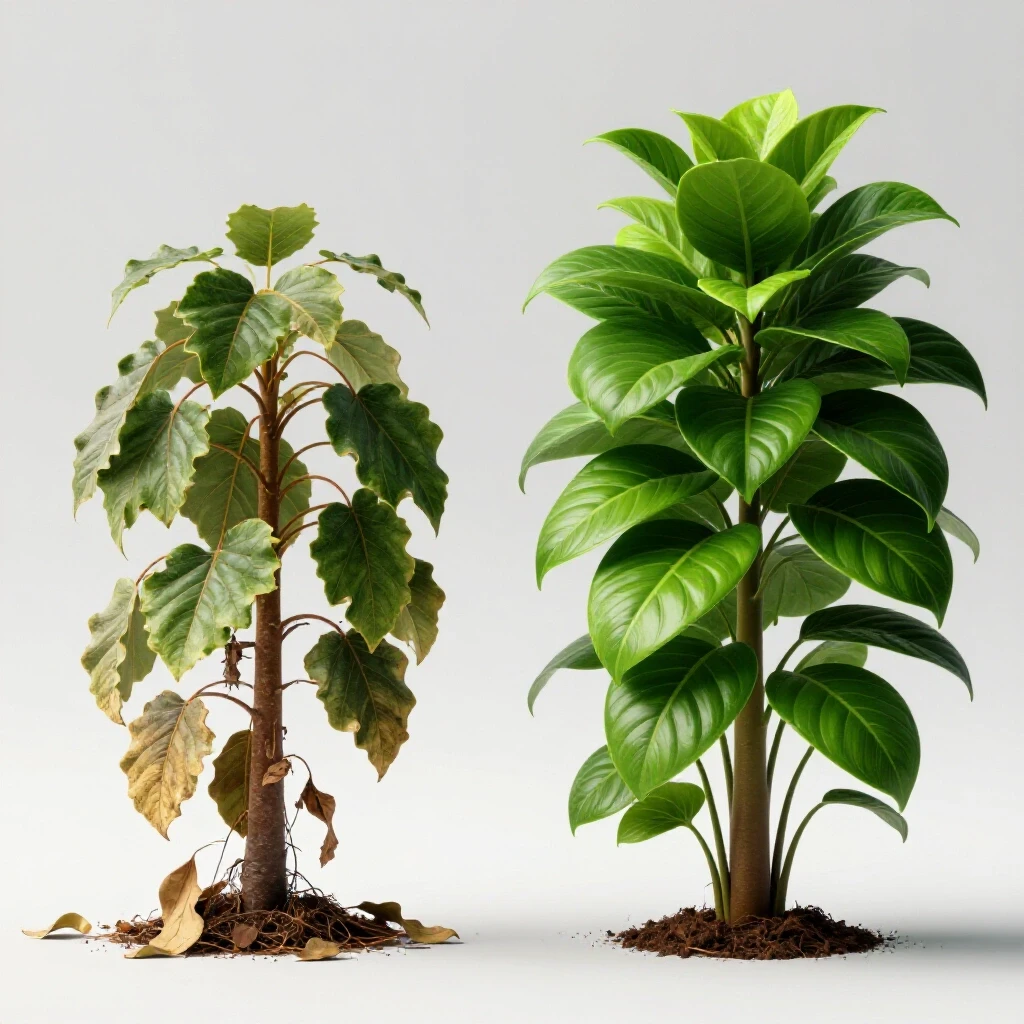
Talking about waterproof options is a lot like building a social media strategy. You think your brand is protected until a sudden storm of criticism hits, and you realize there are leaks in your content verification process. I remember a specific morning in my tenth year of operations when the reach on a flagship account didn’t just dip—it fell off a cliff. We had been hit with a public claim that our latest video series wasn’t as original as we claimed. It was a content integrity crisis that threatened years of hard-won audience trust.
Identifying the Signs of Algorithmic Suppression and Reach Stagnation
Algorithmic suppression occurs when a platform’s safety filters flag your account for policy violations, leading to a “shadowban.” This results in your content being hidden from non-followers and a sharp decline in discovery-based metrics, even if your account remains technically active and visible to your current fan base.

When my team faced an accusation regarding the authenticity of our creative assets, the first thing I noticed was a 70% drop in reach velocity. Reach velocity is the speed at which a post gains impressions in its first hour. Usually, our posts hit the “explore” or “discovery” pages within minutes. After the public dispute began, our content stayed trapped within our existing follower bubble. This is a classic indicator that the platform has placed a temporary throttle on your distribution while it evaluates the validity of user reports.
To diagnose this properly, you must look at your engagement variance. This is the difference between your average interaction rate and your current performance. If your followers are still liking the content but you have zero reach from people who don’t follow you, you are likely facing an algorithmic penalty. I spent days staring at these dashboards, realizing that the platform’s automated systems had flagged our account as “low quality” due to the volume of negative feedback and reports coming in from the public.
- Reach velocity drops: A sudden 50% or higher decrease in non-follower impressions.
- Engagement variance thresholds: When likes and comments drop significantly below your 30-day rolling average.
- Search suppression: Your account handle no longer appears in the top suggestions of the search bar.
| Metric | Normal Range | Penalty Warning | Critical Crisis |
|---|---|---|---|
| Non-follower Reach | 30-50% | Under 10% | Under 2% |
| Comment Sentiment | 85% Positive | 50% Negative | 80%+ Negative |
| Share Rate | 2-5% | Under 1% | Near Zero |
| Report-to-View Ratio | 0.01% | 0.5% | Above 1% |
Communicating Content Integrity Failures to Internal Stakeholders
Managing the narrative within your organization is critical when a brand faces accusations of unoriginality. Clear communication involves explaining the technical nature of platform penalties, the timeline for potential recovery, and the steps being taken to verify creative workflows and restore professional standing with both the audience and the algorithm.
I recall a particularly tense meeting with the VP of Marketing during our crisis. They wanted an “instant fix” or a way to pay for more reach. I had to explain that you cannot buy your way out of a trust deficit. I used a “Shadowban Verification Matrix” to show them that our account wasn’t broken; it was being moderated. This shifted the conversation from “why is the team failing” to “how do we navigate the platform’s safety protocols.”
It is your job to manage expectations. Recovery from a content ownership dispute is not a weekend project. I told my leadership to expect a baseline rehabilitation period of at least four to six weeks. By providing a clear timeline, I reduced the daily pressure on my team, allowing us to focus on the actual recovery work rather than answering panicked emails every hour.
- Acknowledge the Trigger: Identify exactly which post caused the spike in reports.
- Explain the Mechanism: Describe how the platform’s “trust score” affects distribution.
- Define the Timeline: Set a realistic 15-to-30-day window for the first signs of recovery.
- Present the Solution: Outline the new verification steps to ensure creative authenticity.
The Strategic Path to Brand Reputation Recovery and Trust Restoration
Restoring a brand’s image after a public dispute over content ownership requires a multi-phased approach. This includes a cooling-off period, a transparency update, and a gradual re-introduction of high-value, verified original content designed to signal positive behavior to both the audience and the platform’s algorithms.
In my experience, the biggest mistake brands make is trying to post through the crisis. When we were accused of lifting creative ideas, my first move was to pause all scheduled content for 48 hours. This is called a “risk containment” phase. It stops the algorithm from receiving a continuous stream of negative signals from an angry audience. During this silence, we conducted a deep-dive root cause analysis to see where our creative process had failed.
Once we understood the error, we didn’t just delete the post and pretend it never happened. We issued a transparency update. This wasn’t a formal legal statement, but a human-centric post explaining our commitment to original storytelling. Interestingly, this post became the turning point. It signaled to the platform that we were engaging in high-quality, non-automated interactions, which is a key factor in audience reach recovery.
- Phase 1: Containment (1-3 days). Pause all non-essential posting and ads.
- Phase 2: Analysis (3-5 days). Audit the creative workflow that led to the accusation.
- Phase 3: Transparency (Day 6). Address the community with a clear, honest update.
- Phase 4: Rehabilitation (Weeks 2-4). Post exclusively high-engagement, original content.
Executing a Data-Backed Community Recovery Sequence
A community recovery sequence is a structured series of interactions aimed at repairing the relationship between a brand and its followers. It moves from acknowledging the issue to demonstrating a commitment to original creative standards through engagement-focused content that encourages positive sentiment and signals account health.
During our recovery, I implemented what I call the “Positive Signal Loop.” We focused on content that required the audience to interact in a helpful way, such as polls or Q&A sessions. These interactions are high-value signals to the algorithm. They prove that the audience still wants to see your content despite the previous setback. We tracked our sentiment index ratings daily, looking for the moment when positive comments outweighed the negative ones for three consecutive days.
I also monitored our appeal timeline ranges. Most platforms have a manual or semi-automated appeal process for content flags. These usually take 5 to 15 business days. While waiting for the platform to review our “account health” status, we made sure every new post was 100% original, using behind-the-scenes footage to prove our creative process. This “proof of work” is a powerful tool in engagement drop resolution because it directly counters the original accusation of plagiarism.
Monitoring Sentiment Index and Engagement Variance
Sentiment index ratings measure the ratio of positive to negative comments, while engagement variance tracks how much your interaction rates differ from historical baselines. These metrics provide a clear picture of whether your recovery efforts are successfully shifting public perception and algorithmic favor back to your side.
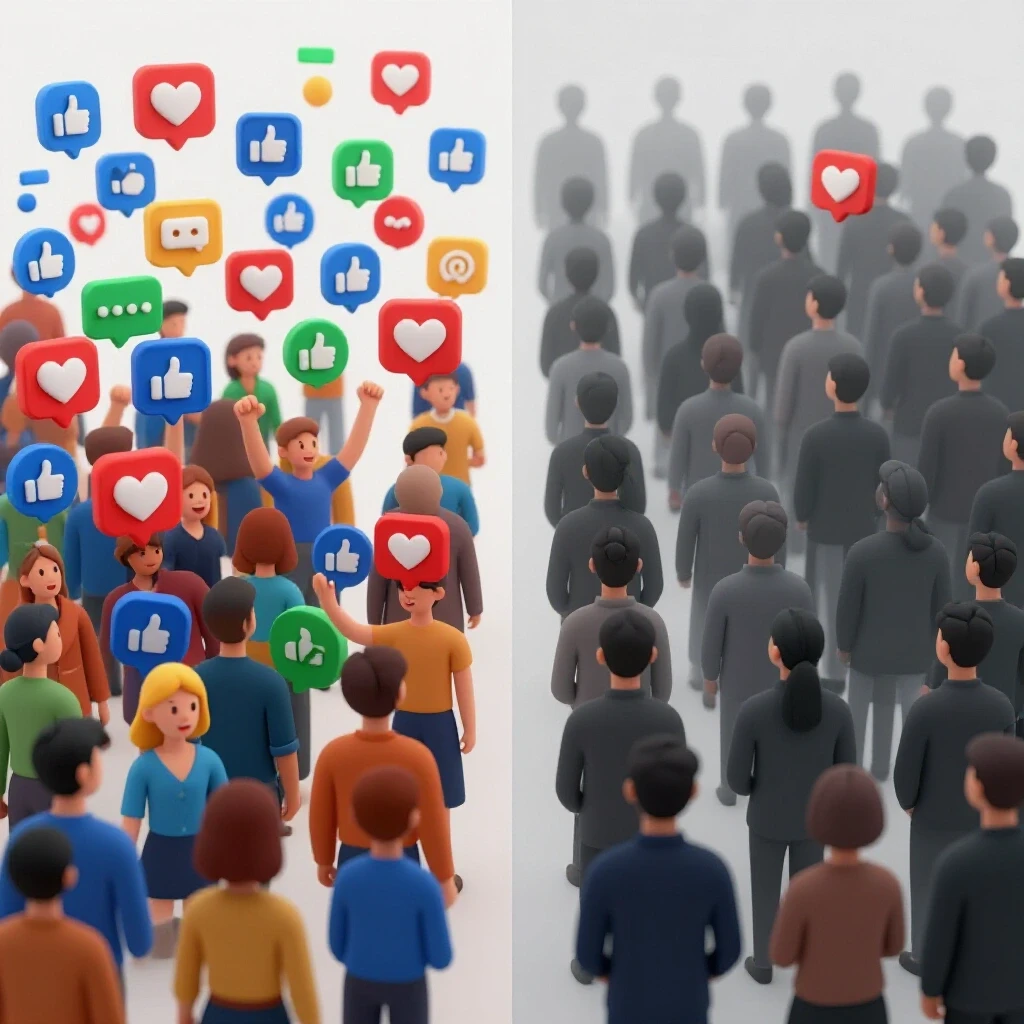
We used a simple 1-10 scale for our Sentiment Index. A “1” meant the comment section was a total disaster, while a “10” meant the community was fully supportive. When we started, we were at a “2.” By the end of the first month, we hit a “7.” This data was more important than total reach because it showed that the “brand reputation recovery” was actually working. If people like you again, the algorithm will eventually follow.
- Negative Sentiment: High volume of keywords like “copied,” “fake,” or “unoriginal.”
- Neutral Sentiment: General questions about products or services.
- Positive Sentiment: Words of encouragement, shares, and tagging friends.
Operational Audits to Prevent Future Content Ownership Disputes
Long-term account health depends on robust internal systems that prevent similar setbacks. Implementing rigorous content auditing applications and verification protocols ensures that every piece of media is fully vetted for authenticity before it ever reaches the public eye, protecting the brand’s digital footprint and distribution.
To ensure we never faced another content integrity crisis, I overhauled our entire production pipeline. We started using content auditing applications that check for visual and textual similarities across the web before a post is approved. This isn’t just about avoiding legal trouble; it’s about protecting the “brand safety validation” that platforms use to decide who gets reached. If the algorithm thinks your content is too similar to existing high-performing posts, it may categorize it as “unoriginal” and limit its spread.
We also created a “Brand Protection Database.” This is a central repository where all original source files, raw footage, and creative briefs are stored. If an accusation ever arises again, we have a documented paper trail to prove our ownership within minutes. This level of detail is what separates a reactive social media manager from a true brand protection specialist.
- Pre-flight Checklists: Every post must have a documented source for its creative assets.
- Reverse Image Searches: Routine checks of all hero images and video thumbnails.
- Plagiarism Scanners: Using AI tools to ensure captions and scripts are unique.
- Peer Review: A second set of eyes on every high-visibility campaign to spot potential overlaps.
Practical Benchmarks for Reach Restoration
When you are in the middle of a social media shadowban, it feels like it will last forever. However, data shows that most accounts begin to see a “return to baseline” after 30 days of consistent, policy-compliant behavior. I tracked our restoration using a simple weekly benchmark. In week one, we saw 10% of our old reach. By week four, we were at 85%.
Do not expect a “flawless crisis resolution” overnight. The algorithm needs time to “re-learn” that your account is a safe and valuable part of the ecosystem. I often tell my peers to watch the “Search Suggestion” test. Once your brand name starts appearing in the search bar again after typing just two or three letters, you know the heavy suppression has been lifted.
- Days 1-7: Expect continued low reach; focus on community sentiment.
- Days 8-14: First signs of non-follower reach returning (usually 5-10%).
- Days 15-30: Reach should climb to 50-70% of historical averages.
- Day 30+: Full restoration is possible if no new violations occur.
Frequently Asked Questions
How can I tell if a reach drop is an algorithmic penalty or just bad content? Check your “Reach by Follower” breakdown. If your followers are still seeing and liking your posts at a normal rate, but your reach to non-followers has vanished, you are likely facing an algorithmic penalty. If both metrics have dropped equally, the content itself might just be failing to resonate with your audience.
How long does it take to recover from a content integrity accusation? While every situation is different, the standard rehabilitation period is 30 days. This allows the platform’s safety filters to reset based on a new pattern of positive, original content. Public trust often takes longer, sometimes requiring three to six months of consistent transparency.
Should I delete the post that caused the accusation? In most cases, yes. Deleting the content that triggered the reports signals to the platform that you are taking corrective action. However, do not delete it without first documenting the engagement data and comments, as you will need these for your internal root cause analysis.
Can I run ads to fix a shadowban? Running ads during a shadowban is generally ineffective. If your organic reach is being suppressed due to a policy violation or a trust issue, your ad accounts may also be flagged for higher scrutiny. It is better to resolve the organic reputation issue before putting paid spend behind the account.
What is the best way to respond to a public plagiarism claim? The most effective response is a combination of humility and transparency. Acknowledge the concern, explain that you are investigating your internal processes, and commit to higher standards. Avoid being defensive, as this often triggers more reports and further algorithmic suppression.
What tools can help me monitor my brand’s reputation during a crisis? You should use sentiment monitoring software that tracks mentions across the web, not just on your own posts. Additionally, use platform-specific health dashboards and third-party analytics tools that track your “Discovery” reach percentage daily.
Will the platform notify me if I am being suppressed? Rarely. Most platforms use “soft” moderation, where your account remains active but your distribution is quietly throttled. This is why monitoring your reach velocity and engagement variance is so critical for brand protection specialists.
How do I explain a shadowban to my boss? Frame it as a “temporary distribution limit” caused by a spike in user reports. Explain that the platform’s automated safety systems are designed to protect the user experience and that you have a 30-day recovery plan to restore the account’s trust score.
Does changing my account handle help with recovery? No. In fact, changing your handle or profile details during a crisis can look suspicious to the algorithm and may even extend the penalty. Stick with your established identity and focus on high-quality content to win back your standing.
What is the “Search Suggestion” test? This is a simple way to check for shadowbans. Use a separate, unrelated account to search for your brand. If your account doesn’t appear in the top results even when the name is spelled correctly, you are likely experiencing search suppression.
(This article was written by one of our staff writers, Andrew Collins. Visit our Meet the Team page to learn more about the author and their expertise.)