How to Recover From Social Media Growth Mistakes (Case Study)
The sky is a heavy, bruised purple today, the kind of weather that makes you want to stay inside with a hot cup of coffee and double-check your dashboards. It reminds me of a Tuesday morning three years ago when I logged in to find a major brand’s reach had fallen by 85% overnight. As an operations specialist with 14 years in the field, I have seen my share of digital storms. I have sat in high-pressure boardrooms explaining why a household name suddenly became invisible to its followers. These moments are stressful, but they often lead to the most important data-backed pivots in a brand’s history.

In my career, I have managed recovery campaigns for accounts with millions of followers. I have seen how a single policy violation or a wave of negative feedback can trigger a social media shadowban. This is not just bad luck; it is a mechanical response from a platform’s backend. When your reach velocity—the speed at which your content spreads—hits a wall, you need a systematic plan. You cannot guess your way out of an algorithmic penalty. You have to diagnose the root cause and rebuild your reputation with the platform and your audience.
Diagnosing the Algorithmic Penalty and Reach Velocity Drops
An algorithmic penalty diagnosis is the process of identifying why a platform has intentionally limited your content’s visibility. This usually happens when the system detects a pattern that violates its safety or quality guidelines. By comparing current reach data against historical baselines, a specialist can pinpoint the exact moment the restriction began.
When I begin a recovery project, I look for an engagement variance threshold. This is the mathematical gap between your expected performance and your current reality. If your average reach drops by more than 50% across three consecutive posts, you are likely facing a penalty rather than a content quality issue. Platforms use content filtration systems to protect users. If your brand was flagged for “borderline content” or received a high report-to-view ratio, the system will pull back on your distribution.
The first step is to check your account status in the platform’s backend. Most major apps now offer a “Transparency” or “Account Status” tab. However, these tools do not always show the full picture. A social media shadowban, or search suppression, often happens without a formal notification. You might still be able to post, but your content will not appear in hashtags or on discovery pages.
Identifying Platform Policy Triggers and Content Filtration
Content moderation thresholds are the specific limits a platform sets for acceptable behavior. These are automated systems that scan for keywords, image patterns, or rapid shifts in audience sentiment. If a brand post triggers these filters, the account may be put in a “cooldown” period where reach is restricted.
In one case I managed, a brand used a trending audio clip that was later flagged for copyright issues. Even though the brand didn’t know the clip was problematic, the algorithm penalized the account for “repeated intellectual property concerns.” We had to conduct a deep-dive audit of every post from the previous 30 days. This taught me that recovery is not about doing more; it is about cleaning up what you have already done.
| Metric | Normal Range | Penalty Warning Sign |
|---|---|---|
| Reach Velocity | Consistent growth or stable peaks | Flatline or sharp 50%+ drop |
| Report-to-View Ratio | Less than 0.01% | Greater than 0.2% |
| Engagement Variance | +/- 10% from average | -40% or more deviation |
| Discovery Reach | 30% to 60% of total | Less than 5% of total |
Formulating a Root Cause Recovery Plan Through Systematic Testing
A recovery plan is a structured approach to identifying why a brand’s content is no longer being distributed. It relies on testing specific variables, such as content type or posting frequency, to find the exact trigger of the penalty. This phase requires patience and a commitment to data over intuition.
I once worked with a retail client that faced a severe engagement drop after a controversial ad campaign. The audience crisis management team was overwhelmed by negative comments. To fix this, we ran a series of controlled tests. We stopped all promotional posts and only shared “safe,” high-engagement community content for 14 days. This helped us see if the algorithm was penalizing the brand’s identity or just specific types of posts.
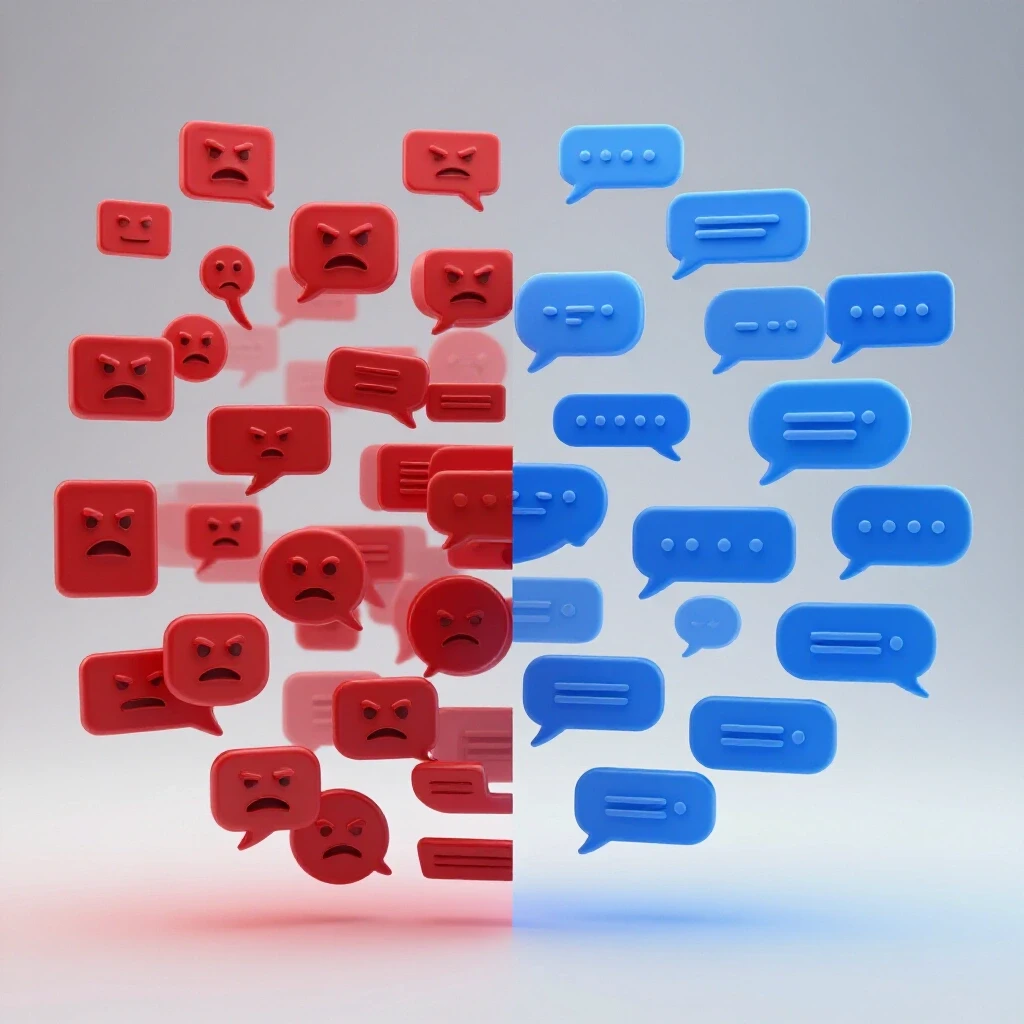
We found that the account reach recovery was tied directly to our “sentiment index.” This is a score that measures the ratio of positive to negative interactions. As the sentiment improved, the platform slowly restored our reach. This experiment changed how I view growth; it proved that the algorithm prioritizes account health over post frequency.
Managing Stakeholder Stress During Audience Reach Recovery
Stakeholder management involves translating complex technical data into clear business outcomes for leadership. During a crisis, this ensures that the recovery team has the time and resources needed to implement a long-term solution. It prevents management from demanding “quick fixes” that might make the situation worse.
- Define the Problem: Explain that the reach drop is a technical restriction, not a creative failure.
- Set Realistic Timelines: Most recovery cycles take 30 to 90 days.
- Use Visual Data: Show reach velocity charts to illustrate the “cliff” and the gradual climb back.
- Report on Sentiment: Track how the audience is reacting to recovery content.
Executing a Community Recovery Sequence and Appeal Process
When you submit a platform appeal, you are asking a human or a higher-level AI to review your account. This process usually takes 5 to 15 business days. During this time, you must be careful. Do not delete large amounts of content at once, as this can look like “suspicious activity” to the backend infrastructure. Instead, archive problematic posts slowly.
The community-facing part of this sequence involves “engagement seeding.” We start by responding to every positive comment and using polls to encourage low-friction interaction. This sends a signal to the platform that users still want to see your content. It is a slow process, but it is the only way to rebuild a damaged engagement drop resolution.
Trust Recovery Phase Timeline
| Phase | Duration | Primary Goal | Key Action |
|---|---|---|---|
| Diagnosis | Days 1-5 | Identify the trigger | Audit recent posts and account status |
| Mitigation | Days 6-14 | Stop the bleeding | Cease controversial or low-quality posts |
| Appeal | Days 15-30 | Restore platform trust | Submit formal appeals and clean up metadata |
| Rehabilitation | Days 31-60 | Re-engage the audience | Post high-value, community-focused content |
| Optimization | Days 61-90 | Scale reach | Gradually return to standard posting volume |
Implementing Ongoing Account Audits for Long-Term Resilience
Account audits are recurring reviews of a brand’s social media health, focusing on policy compliance and engagement trends. These audits act as an early warning system, helping specialists catch potential issues before they escalate into major reach losses. Consistency in auditing is the best defense against future penalties.
In my 14 years of experience, the brands that survive the longest are those that treat their social accounts like high-value assets. This means using brand safety validation protocols. Before a post goes live, it should be checked against a checklist of platform policies. This reduces the risk of a sudden social media shadowban.
We use several tools to monitor this. Sentiment monitoring software helps us track the “mood” of the comments section in real-time. If we see a spike in negative keywords, we can pause our posting schedule before the algorithm flags the account. This proactive approach is much easier than trying to fix a penalty after it has been applied.
Essential Tools for Brand Protection Specialists
- Sentiment Trackers: Software like Brandwatch or Sprout Social to monitor audience mood.
- Account Status Dashboards: Native platform tools that show policy violations.
- Reach Velocity Calculators: Custom spreadsheets to track daily impression shifts.
- Content Auditing Applications: Tools that scan for “banned” hashtags or sensitive keywords.
- Competitor Baselines: Monitoring peers to see if a reach drop is platform-wide or account-specific.
Conclusion and Next Steps for Recovery
Recovering from a major setback requires a shift in perspective. You have to stop looking for a “viral” fix and start looking at the data. My years of diagnosing these issues have taught me that the algorithm is not your enemy; it is a system following a set of rules. If you learn those rules and respect the data, you can restore your brand’s voice.
Start by conducting a full audit of your last 30 days of content. Look for the exact date your reach velocity dropped. Check your account status for any hidden violations. Once you have a diagnosis, communicate the timeline clearly to your team. Recovery is a marathon, but with a systematic approach, you can rebuild trust and reach your audience again.
FAQ: Navigating Reach Drops and Algorithmic Penalties
How can I tell if my brand is shadowbanned or if my content is just underperforming? A shadowban, or search suppression, is marked by a sudden, total loss of discovery reach. If your content still reaches your followers but fails to appear in hashtags or the “Explore” page, you are likely facing a platform restriction. Underperformance is usually more gradual and affects both followers and non-followers.
What is a report-to-view ratio, and why does it matter? This is the number of users who report your content divided by the total number of people who saw it. Platforms use this as a primary safety metric. If this ratio exceeds a certain threshold (often around 0.2%), the algorithm may automatically limit your reach to prevent further complaints.
How long does it take to recover from an algorithmic penalty? Most recovery periods last between 30 and 90 days. The first 14 days are usually a “cooldown” period where the platform monitors your account for further violations. If you maintain a clean record and positive engagement, reach typically begins to return in small increments.
Should I stop posting entirely if I suspect a penalty? No, stopping entirely can signal to the algorithm that the account is abandoned. Instead, reduce your frequency and focus on “safe,” high-quality content that encourages positive interaction. This helps rebuild your sentiment index and signals account health.
What is reach velocity? Reach velocity is the speed at which your post gains impressions in the first few hours after posting. A sharp drop in this speed compared to your historical average is a leading indicator of an algorithmic penalty or a change in the platform’s distribution rules.
How do I submit an effective appeal to a social media platform? When appealing, be concise and data-driven. State the specific post or notification you are contesting, explain how you have corrected the issue (e.g., “We have removed the copyrighted audio”), and reference their specific community guidelines to show you understand the rules.
Can I use paid ads to “force” my way out of a reach drop? Using ads can help maintain some visibility, but it will not “reset” an organic penalty. In some cases, running ads on an account with active policy violations can lead to your ad account being restricted as well. It is better to fix the organic health first.
What is an engagement variance threshold? This is a calculated limit of how much your engagement can drop before it signals a systemic problem. If your engagement rate per post drops by more than 40% below your rolling 90-day average, you should begin a root cause recovery plan.
What are content filtration systems? These are AI-driven filters that scan content for “borderline” material—content that doesn’t quite break the rules but is deemed low-quality or potentially upsetting. If your brand frequently hits these filters, your overall account “trust score” will drop, leading to lower reach.
How do I explain a reach drop to my boss without sounding like I failed? Present the drop as a technical “platform-level restriction” rather than a creative failure. Use data to show that this is a common occurrence for large brands and present a 60-day recovery roadmap. Focus on the steps you are taking to protect the brand’s long-term reputation.
What is the best way to monitor audience sentiment during a crisis? Use a sentiment index rating. This quantifies the ratio of positive, neutral, and negative comments. If your negative sentiment stays above 20% for more than a few days, the algorithm will likely keep your reach restricted to prevent a “flame war” or further reports.
(This article was written by one of our staff writers, Andrew Collins. Visit our Meet the Team page to learn more about the author and their expertise.)