How to Fix Social Media Profile Mistakes for More Opportunities (Guide)
For many executives, the transition from a physical boardroom to a digital platform feels unnatural. You have spent decades building a reputation through handshakes, successful projects, and high-level decisions. Yet, when you look at your LinkedIn or Instagram profile, it often feels like a flat, digital version of a resume that fails to capture your true authority.
Early in my career, I made a significant error that many of my clients still make today. I focused so much on my corporate title that I forgot to explain the value I provided to the people I wanted to reach. My profile was a list of past duties, not a beacon for future opportunities. This lack of alignment between my real-world skills and my digital presence meant that high-value peers were passing me by. They couldn’t see the expert behind the generic job description.
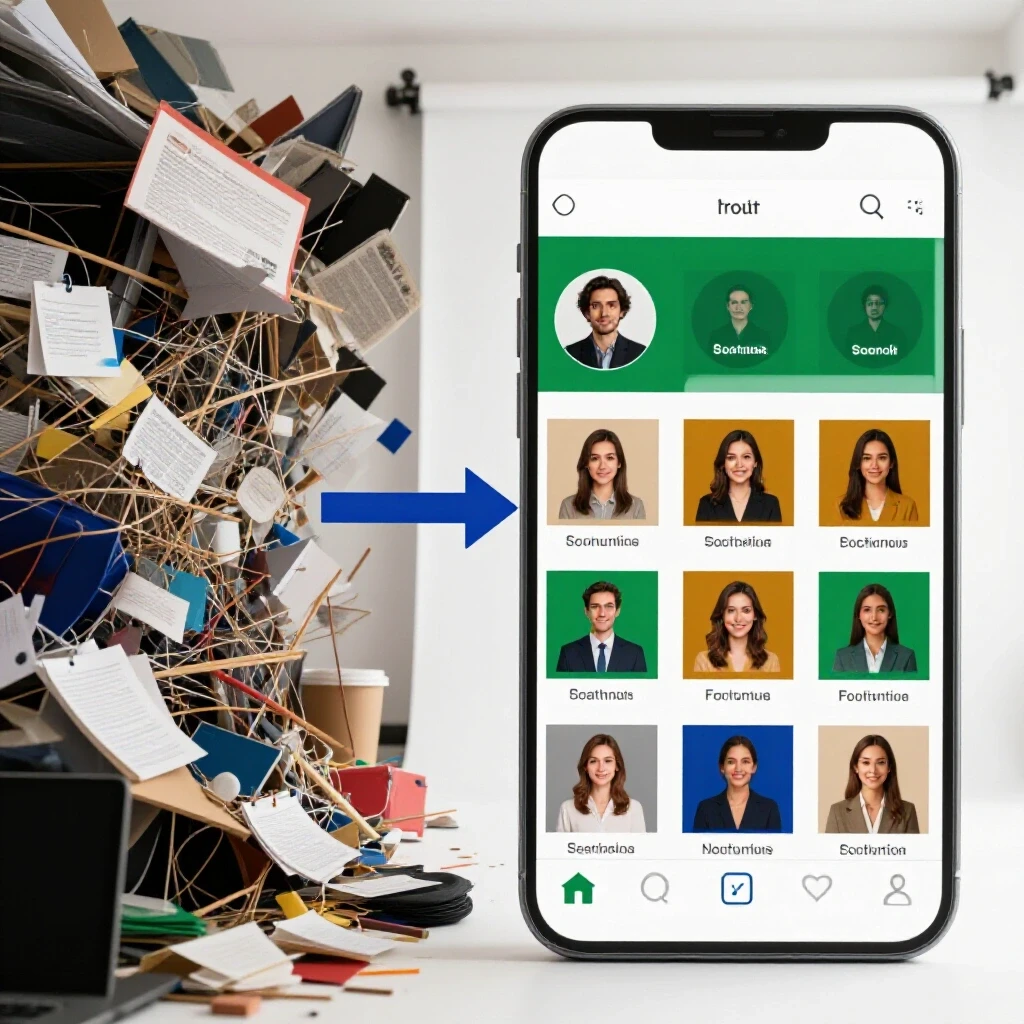
Fixing this required a shift toward sustainable authority-building. It wasn’t about using “growth hacks” or posting every hour. Instead, it was about creating a reputation-first brand. I had to ensure that every word in my bio and every image I shared reinforced my professional standing. By treating my profile as a trust-building asset rather than a static document, I began to attract the right kind of attention without compromising my professional integrity.
Defining the Core Professional Expertise Area
Executive positioning is the strategic process of identifying your unique value and communicating it clearly to a specific audience. It moves beyond job titles to highlight your specific problem-solving abilities. This foundation ensures that your digital brand is rooted in actual competence rather than superficial trends or temporary buzzwords.
Before you can fix a profile that isn’t performing, you must define your niche. For a specialized consultant or a corporate leader, this means narrowing your focus. Many professionals fear that being too specific will limit their opportunities. In reality, a broad profile is a forgettable profile. Academic research on digital trust suggests that users are more likely to engage with experts who demonstrate deep knowledge in a narrow field rather than generalists.
I once worked with a Chief Operations Officer who struggled to gain traction on LinkedIn. His profile mentioned “leadership” and “management” repeatedly. We shifted his focus to “Scaling Mid-Market Tech Firms Through Operational Efficiency.” This change immediately signaled his specific value to founders in that sector. It turned his profile from a generic resume into a targeted solution for a specific group of people.
- Identify the one problem you solve better than anyone else.
- Determine who has that problem and where they spend their time online.
- Write down three core pillars of your expertise that you can discuss consistently.
Correcting the Misalignment in Digital Presence
Profile optimization is the practice of refining your digital touchpoints to ensure they accurately reflect your professional status and attract your target audience. It involves updating visuals, headlines, and bios to remove friction in the networking process. This ensures that when a potential partner visits your page, they see immediate evidence of your credibility.
The most common mistake I see is a profile that looks like a ghost town or a sales pitch. If your profile hasn’t been updated in a year, it signals a lack of relevance. If it is too “salesy,” it destroys trust. Trust-based networking relies on the “halo effect,” where your professional visuals and clear messaging lead others to assume you are competent in your work.
| Feature | The Outdated Approach | The Authority-First Approach |
|---|---|---|
| Headline | “CEO at [Company Name]” | “[Role]: Helping [Audience] achieve [Result]” |
| Profile Photo | A cropped wedding photo or 10-year-old headshot | Recent, professional, high-resolution portrait |
| About Section | Third-person list of achievements | First-person narrative about your mission and value |
| Activity | Occasional “congrats” on others’ posts | Consistent sharing of industry insights and original thought |
Strategic Channel Selection for Sustainable Authority
Sustainable authority-building involves choosing the right digital platforms where your professional network is most active and engaged. For B2B leaders, this usually means focusing on LinkedIn, while Instagram serves as a secondary tool for humanizing a brand. Selecting the right channel prevents burnout and ensures your efforts reach the correct decision-makers.
You do not need to be everywhere. For most of my clients, LinkedIn is the primary driver of professional personal branding. It is a platform built for business intent. Instagram can be useful for solopreneurs or founders who want to show the “behind-the-scenes” of their work, but it requires a different visual strategy.
I suggest a 80/20 rule: spend 80% of your time on the platform where your clients or peers are most likely to do business. Use the other 20% to experiment or maintain a secondary presence. This focus allows you to master the nuances of one platform’s etiquette and algorithm before expanding.
- LinkedIn: Best for B2B thought leadership, executive networking, and long-form industry analysis.
- Instagram: Ideal for visual storytelling, building a personal connection, and reaching a younger demographic of founders.
- X (Twitter): Useful for real-time industry commentary and engaging with journalists or tech circles.
Crafting a High-Conversion Professional Bio
A value-driven bio is a short, persuasive summary that explains who you are, what you do, and why it matters to the reader. It serves as your digital elevator pitch, designed to convert a profile visitor into a connection or a lead. This section must be optimized with keywords to improve your visibility in platform search results.
When I audited my own profile years ago, I realized I was using internal corporate jargon. No one was searching for those terms. I changed my bio to include terms like “executive social media strategy” and “reputation management.” These are the words my ideal clients use when they have a problem.
Your bio should follow a simple structure: The Hook, The Proof, and The Call to Action. The Hook addresses the reader’s primary pain point. The Proof mentions your years of experience or a major achievement. The Call to Action tells them what to do next, such as “DM me for a consultation” or “Click the link below to read my latest white paper.”
- Step 1: Research keywords using the search bar on LinkedIn to see what terms are common in your industry.
- Step 2: Write your bio in the first person (“I help…”) to build a direct connection.
- Step 3: Include a “Featured” section with your best articles, interviews, or project results.
Content Sequencing and Consistency Workflows
Executive social media strategy requires a structured approach to sharing knowledge that builds authority over time. Content sequencing means moving from broad industry observations to specific, proprietary insights that only you can provide. A consistency workflow is a set of habits that ensures you post regularly without it becoming a full-time job.
Many executives struggle with the “what to post” hurdle. They feel they have to say something profound every day. In reality, your network values your perspective on current events more than “original” revolutionary ideas. I recommend a simple three-tier content plan:
- Tier 1 (The Observer): Share an article from a reputable source and add two sentences of your own analysis. (15 minutes)
- Tier 2 (The Teacher): Share a lesson you learned from a recent project or a mistake you made in the past. (30 minutes)
- Tier 3 (The Thought Leader): Write a longer post challenging a common industry myth or predicting a future trend. (45 minutes)
To maintain this, use tools like Buffer or Taplio to schedule your posts in advance. I spend two hours every Sunday evening drafting my content for the week. This prevents the daily anxiety of staring at a blank screen while trying to run a business.
Measuring Qualitative Trust and Relationship Equity
Reputation management involves tracking the quality of your digital interactions rather than just the quantity of likes or followers. Qualitative trust metrics include the seniority of the people commenting on your posts and the number of high-value direct messages you receive. These indicators are more predictive of professional success than vanity metrics.
In a world obsessed with “going viral,” it is easy to feel discouraged by low engagement numbers. However, for a specialized consultant, one comment from a CEO is worth more than 1,000 likes from bots. I track “Profile Visit Conversion Rates”—the percentage of people who view my profile and then send a connection request or a message.
| Metric Type | What to Ignore (Vanity) | What to Track (Authority) |
|---|---|---|
| Engagement | Total number of likes | Comments from target industry peers |
| Reach | Total impressions | Profile views from specific companies |
| Conversion | New follower count | Inbound DMs asking for your opinion or services |
| Networking | Number of connections | Percentage of “high-intent” connections |
Avoiding Reputation Risks and Unprofessional Styles
B2B thought leadership must be balanced with brand safety to ensure your digital voice does not alienate peers or damage your corporate standing. This involves avoiding “hype-based” language, controversial topics unrelated to your expertise, and overly emotional outbursts. Maintaining a grounded, professional tone is essential for long-term credibility.
I often see professionals try to mimic “influencer” styles by using clickbait headlines or sharing overly personal stories that don’t relate to their work. This often backfires. A study on professional communication found that while vulnerability can build trust, it must be “relevant vulnerability.” Sharing a story about a failed product launch is professional; sharing a story about your personal life without a business lesson can feel misplaced.
- Always ask: “Does this post add value to my professional network?”
- Avoid using aggressive “hustle culture” language or absolute claims (e.g., “The only way to succeed is…”).
- Keep your tone helpful and curious rather than arrogant or overly promotional.
Relationship-to-Lead Conversion Steps
Digital lead conversion is the process of moving a social media connection into a real-world business conversation. It requires a soft touch, focusing on helpfulness rather than a hard sell. For solopreneurs and executives, this often happens in the “Direct Message” (DM) space where private trust is solidified.
Once someone engages with your content multiple times, they have signaled interest. I don’t send a sales pitch. Instead, I send a “Value-Add” message. For example: “Hi [Name], I noticed you’ve been following my posts on operational efficiency. I just finished a case study on this topic that hasn’t been published yet—thought you might find it useful. Would you like me to send it over?”
This approach respects their time and positions you as a resource. It turns a digital connection into a professional relationship. Over time, these small interactions build a “trust bank” that you can draw from when a business opportunity arises.
- Monitor: Check who is consistently liking or commenting on your posts.
- Engage: Respond to every thoughtful comment with a question to keep the conversation going.
- Bridge: Move the conversation to a DM by offering a specific resource or a quick 15-minute “intro” call.
Recommended Tools for Executive Brand Management
Managing a professional personal brand requires a lean stack of tools that save time and ensure quality. These applications help with everything from content scheduling to tracking the growth of your professional network.
- AuthoredUp: A tool for LinkedIn that helps you format posts for readability and track which styles perform best.
- Canva: For creating clean, professional-looking headers and slide decks without needing a graphic designer.
- Shield Analytics: Provides deep data on your LinkedIn performance, showing you exactly who is looking at your content.
- Notion: An excellent place to keep a “content bank” of ideas, stories, and industry links you want to share later.
- Calendly: Simplifies the process of moving a digital connection to a real-world meeting by removing the back-and-forth of scheduling.
A Checklist for Your Profile Audit
To ensure your digital presence is working for you, perform a monthly audit. This keeps your brand fresh and ensures you aren’t missing out on opportunities due to simple technical errors or outdated information.
- [ ] Is your headline focused on the value you provide today?
- [ ] Does your profile photo look like you would look in a meeting tomorrow?
- [ ] Are your top three “Featured” items relevant to your current business goals?
- [ ] Have you removed any “skills” or “endorsements” that no longer reflect your focus?
- [ ] Is your contact information up to date and easy to find?
- [ ] Does your “About” section tell a story of expertise rather than just listing facts?
Conclusion
Building a sustainable, reputation-first brand is a marathon, not a sprint. The mistake I made—and the one I see many executives make—is treating a digital profile as an afterthought. When you align your real-world expertise with your digital presence, you remove the barriers that prevent high-value opportunities from finding you.
Start by refining your bio and committing to a simple, consistent posting schedule. Focus on the quality of your connections rather than the quantity of your followers. By being helpful, professional, and visible, you will establish the kind of authoritative voice that commands respect in any industry.
Frequently Asked Questions
What is the most common mistake executives make on their profiles?
The most frequent error is having a profile that reads like a static resume rather than a dynamic value proposition. Many leaders list their past responsibilities but fail to articulate the specific problems they solve for their current target audience. This makes them invisible to people looking for their specific expertise.
How much time should I spend on social media each week?
For most executives, 2 to 4 hours per week is sufficient. This includes 1 hour for content creation, 1 hour for engaging with peers’ posts, and 1 hour for managing direct messages and new connection requests. Using scheduling tools can significantly reduce the daily time commitment.
Does my profile really need a professional headshot?
Yes. Digital trust is often formed in seconds based on visual cues. A high-quality, professional photo signals that you take your digital presence—and by extension, your professional reputation—seriously. Avoid casual photos, selfies, or outdated images that no longer look like you.
How do I know if my personal branding efforts are working?
Look for qualitative indicators: Are you getting connection requests from peers in your industry? Are people mentioning your posts in real-world meetings? Are you receiving direct messages asking for your perspective on industry trends? These are much stronger signs of success than a high number of likes.
Should I share personal stories on LinkedIn?
You should share personal stories only if they have a clear professional lesson or tie back to your core expertise. This is known as “relevant vulnerability.” It humanizes you without making you look unprofessional. Avoid oversharing personal details that have no connection to your business life.
How do I find keywords for my profile?
Look at the profiles of respected leaders in your field and see what terms they use. You can also use the LinkedIn search bar to type in your core skill (e.g., “Supply Chain Management”) and see what related terms appear in the “People” or “Jobs” results.
What if I don’t have “original” ideas to post?
You don’t need to reinvent the wheel. Being a “curator” is a valid form of thought leadership. Share an interesting industry report, a news article, or a book recommendation and add your unique perspective on why it matters. Your value lies in your interpretation of information, not just the information itself.
Is it okay to use a ghostwriter for my content?
While ghostwriters can help with formatting and scheduling, the core insights must come from you. A “human-like” voice is essential for building trust. If a writer handles your content, ensure they interview you regularly so the posts reflect your actual thoughts, tone, and experiences.
How often should I update my profile?
A major audit should happen every six months. However, you should update your “Featured” section and your headline whenever you complete a major project, change roles, or shift your business focus. Regular small updates keep the platform’s algorithm aware that your account is active.
Can I build a brand without being “salesy”?
Absolutely. In fact, a reputation-first brand is more effective when it isn’t salesy. By consistently providing value and demonstrating expertise, you build “attraction” rather than “promotion.” People will naturally reach out to you when they see you as a trusted authority in your field.
(This article was written by one of our staff writers, Alexander Voss. Visit our Meet the Team page to learn more about the author and their expertise.)