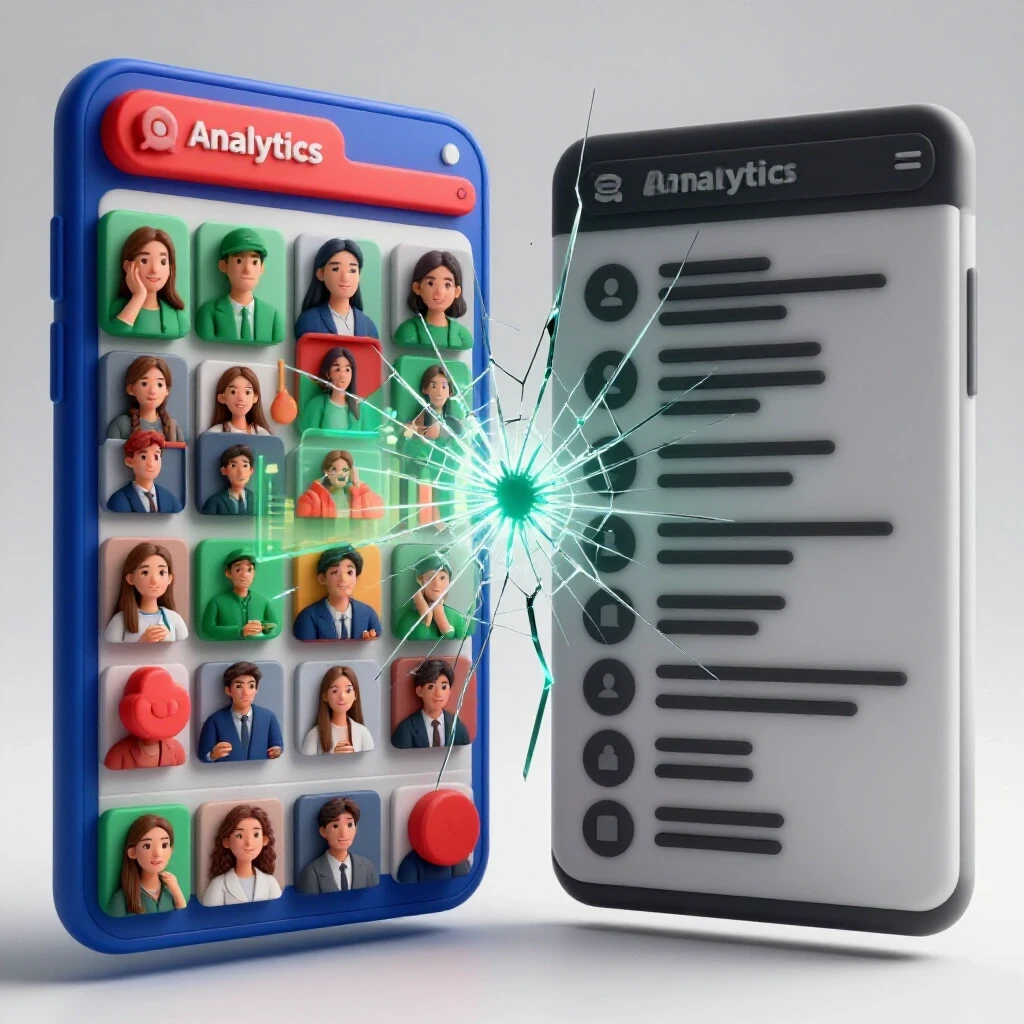
How to Recover From a Failed Brand Takeover (Step-by-Step Guide)
When a brand account loses 70% of its reach overnight following a high-profile collaboration, the instinct is often to panic. However, the solution lies in a systematic, data-backed approach to diagnosing the failure and rebuilding the account’s health. By identifying the specific policy triggers and community sentiment shifts, you can move from a state of crisis to a controlled recovery process.
In my 14 years of managing social media operations, I have seen many established brands face sudden, severe engagement drops. One of the most challenging situations I ever handled involved a legacy brand that handed over its primary account to a guest creator for a weekend. The creator posted content that, while not explicitly violating terms of service, triggered a massive wave of user reports and a subsequent algorithmic penalty. Within 48 hours, our reach velocity—the speed at which a post gains impressions—dropped to near zero.

Why Sudden Reach Drops Strike Brands—And How to Formulate a Root Cause Recovery Plan
A root cause recovery plan is a structured process used to identify why an account’s performance has stalled or declined. It involves auditing recent content, checking platform health status, and analyzing engagement variance to determine if the issue is technical, algorithmic, or community-driven.
When your impressions crater, you must first distinguish between a natural content slump and a social media shadowban. A shadowban, or search suppression, is when a platform limits your content’s visibility to non-followers without notifying you. This usually happens when your account crosses a content moderation threshold, often due to a spike in “hide post” actions or community reports.
In my experience, the first step is always a data deep dive. I look for engagement variance—the difference between your average engagement and your current numbers. If your reach to followers remains steady but your reach to non-followers (via “Explore” or “For You” pages) has vanished, you are likely facing an algorithmic penalty diagnosis.
Root Cause Diagnostic Checklist
- Check Account Status: Navigate to the “Account Status” or “Support Inbox” in your platform settings to see if there are active violations.
- Analyze Reach Sources: Compare the percentage of reach from followers versus non-followers over the last 30 days.
- Review Recent Metadata: Look for banned hashtags or keywords in the posts leading up to the drop.
- Audit User Feedback: Check the number of “unfollows” and “post hides” in your analytics dashboard.
| Metric | Normal Range | Crisis Indicator |
|---|---|---|
| Non-Follower Reach % | 15% – 40% | < 2% |
| Engagement Rate | 1% – 3% | < 0.2% |
| Reach Velocity | Steady climb | Sharp vertical drop |
| Sentiment Index | Positive/Neutral | High Negative |
Algorithmic Penalty Diagnosis: Identifying Why Your Content Lost Visibility
An algorithmic penalty diagnosis is the act of verifying whether a platform’s automated systems have restricted your account. This typically occurs when the system detects patterns that mimic spam, engagement manipulation, or a sudden influx of negative feedback from the community.
Platforms use content filtration systems to maintain brand safety. If a guest creator or a partner campaign uses language or imagery that triggers these filters, your account’s “trust score” drops. This is not a permanent ban, but it is a cooling-off period where the platform stops recommending your content to new audiences.
I once worked with an agency where a failed partner campaign led to a “low-quality content” flag. The platform’s AI misidentified the partner’s aesthetic as “spammy.” We had to stop all posting for 72 hours to let the signals clear before we could begin the brand reputation recovery process.
Shadowban Verification Matrix
- Search Test: Can you find your account name in a search from a profile that doesn’t follow you?
- Hashtag Test: Do your posts appear in the “Recent” tab of a unique, low-volume hashtag?
- Support Check: Does the platform’s internal tool show “Your content can be recommended”?
- Engagement Delta: Is the drop across all platforms or isolated to one?
Understanding these technical foundations is vital. You cannot fix a reach problem with “better content” if the platform has literally hidden your “Follow” button from the public.
Managing Leadership Expectations During an Audience Crisis Management Phase
Audience crisis management involves the internal and external handling of a brand’s reputation during a period of intense scrutiny or performance loss. It requires clear communication with upper management to explain the technical reasons for a drop and the realistic timeline for a full recovery.
One of the hardest parts of my job is explaining to a stressed CMO why we can’t just “boost” our way out of a penalty. In fact, running ads on a penalized account can sometimes worsen the situation by drawing more negative reports. You must be honest about the recovery timeline, which is rarely instant.
When I report on these issues, I use a Trust Recovery Phase Timeline. I explain that we are currently in the “Containment” phase and will move to “Rehabilitation” once the platform signals stabilize. This helps management see the process as a series of logical steps rather than a mysterious failure.
Communication Best Practices for Specialists
- Avoid Superlatives: Do not promise a “flawless” or “instant” fix.
- Use Data, Not Emotion: Show the reach velocity charts to prove it is a platform-wide issue, not a creative failure.
- Explain the “Why”: Define terms like “content filtration” so they understand the platform’s backend logic.
- Set a 15-Day Review: Most algorithmic resets take 5 to 15 business days to show initial results.
The Engagement Drop Resolution: Submitting Appeals and Adjusting Creative Strategy
An engagement drop resolution is a strategic plan to restore an account’s performance through platform appeals and content pivots. This involves identifying the specific post that caused the issue, removing or archiving it, and then submitting a formal appeal if the platform provides that option.
If you have a clear violation in your “Account Status” tab, the appeal process is your first line of defense. This usually takes 5 to 15 business days. While waiting, your creative strategy must shift. You should move away from high-risk, “viral-bait” content and focus on safe, community-centric posts that encourage positive interactions from your most loyal followers.
In a past recovery campaign, we found that the platform’s automated systems were flagging a specific color palette used in a failed takeover. By shifting our visual style back to our core brand guidelines, we signaled to the algorithm that the “anomaly” was over.
Steps to Submit a Platform Appeal
- Identify the Trigger: Find the specific post that the platform flagged.
- Document the Context: If the post was a misunderstanding of policy, prepare a brief explanation.
- Use Official Channels: Only use the in-app “Request Review” button or verified support portals.
- Wait for the Response: Avoid submitting multiple appeals, as this can reset your place in the queue.
Executing a Community Recovery Sequence to Restore Brand Reputation
A community recovery sequence is a series of curated posts and interactions designed to rebuild trust with your audience after a PR setback or a period of inactivity. It focuses on transparency, value, and direct engagement to flip a negative sentiment index back to positive.
When a brand takeover goes wrong, the audience often feels alienated. Restoring your brand reputation recovery requires more than just apologizing; it requires showing up consistently. I recommend a “Value-First” approach. For 14 days, every post should serve the audience’s needs without asking for anything in return (no sales, no clicks, just value).
I once managed a brand that faced a massive backlash after a partner made an insensitive comment. Our recovery sequence involved a week of “Community Spotlights,” where we highlighted our followers’ stories. This shifted the conversation away from the mistake and back to the people who supported the brand.
Audience Sentiment Tracking Index
- Positive: Mentions of brand values, heart emojis, “thank you” comments.
- Neutral: Questions about products, general tags.
- Negative: References to the failed campaign, “unfollow” threats, angry emojis.
Monitoring this index daily is essential. If the negative sentiment remains above 20% of your total comments, you are not yet ready to resume normal promotional activity.
Implementing Long-Term Account Audits and Protection
Ongoing account audits are regular reviews of your social media security, content history, and partner access. These audits act as a brand protection mechanism to ensure that no future collaborations or internal errors can trigger another algorithmic penalty.
To prevent another reach drop, you must have a “Brand Safety Validation Protocol.” This is a checklist that every piece of content—especially from external partners—must pass before going live. It includes checks for prohibited keywords, copyright compliance, and alignment with community guidelines.
I now require all my clients to use a “Sandbox” approach for takeovers. Instead of giving a guest creator direct access to the main account, they submit content to a shared drive for our team to upload. This simple operational shift prevents 90% of the errors that lead to account suppression.
Essential Diagnostic and Protection Tools
- Brand Safety Dashboards: Tools that scan your captions for “shadowbanned” keywords.
- Sentiment Analysis Software: Applications that track the emotional tone of your comment section in real-time.
- Platform Support Interfaces: Bookmarked links to the official help centers for Meta, X, and LinkedIn.
- Content Auditing Apps: Tools that archive your history so you can spot patterns in reach drops.
Key Takeaways for Recovery
- Diagnosis is First: Never change your strategy until you know if the problem is algorithmic or community-based.
- Patience is Required: Algorithmic recovery typically takes 5 to 15 business days; community trust takes longer.
- Safety Protocols Save Accounts: Use a validation checklist for every partner or guest creator.
- Data Over Hype: Use reach velocity and engagement variance to explain the situation to leadership.
Recovering from a major setback is a slow process, but it is possible with a disciplined approach. By focusing on the root cause and following a methodical recovery sequence, you can restore your account’s reach and build a more resilient brand presence.
FAQ
What are the first signs of an algorithmic penalty?
The most common sign is a sudden, sharp drop in reach to non-followers. If your posts are no longer appearing on discovery pages or hashtag feeds, but your followers can still see them, the platform has likely applied a recommendation filter to your account.
How long does it take to recover from a social media shadowban?
Most algorithmic penalties last between 14 and 30 days, provided no further violations occur. However, the initial “cooling-off” period where you see the most restriction usually lasts about 5 to 15 business days.
Should I delete the post that caused the engagement drop?
In most cases, yes. Archiving or deleting the content that triggered the penalty signals to the platform’s moderation system that you have addressed the issue. However, if you are appealing a specific decision, wait until the appeal is processed before deleting the evidence.
Can I run ads to fix a reach drop?
It is generally not recommended to run ads while an account is under an algorithmic penalty. If the penalty was triggered by negative user feedback, ads may simply show your content to more people who will report it, further damaging your account’s trust score.
How do I explain a 70% reach drop to my boss without looking incompetent?
Focus on the data. Show that the drop was a result of a specific platform policy trigger or an external collaboration anomaly. Present a clear “Root Cause Recovery Plan” with a timeline, emphasizing that this is a technical platform response that requires a methodical resolution.
What is a sentiment index, and why does it matter?
A sentiment index is a way to measure the emotional tone of your audience’s comments and mentions. It matters because high levels of negative sentiment (reports, “hide post” actions) are the primary triggers for algorithmic penalties.
How can I verify if my account is actually shadowbanned?
The most reliable way is to check the “Account Status” section in your settings. Additionally, you can perform a search test using a third-party account to see if your profile and recent posts appear in search results and hashtag feeds.
Does “engagement bait” cause reach drops?
Yes. Modern algorithms are highly sensitive to “engagement bait” (e.g., “Tag a friend who…”). If a platform’s AI detects that you are artificially inflating engagement, it may deprioritize your content in the feed as a penalty.
What is reach velocity?
Reach velocity is the speed at which your content gains new impressions after being posted. A healthy account has a steady velocity, while a penalized account will see its velocity hit a “ceiling” almost immediately after posting.
How do I rebuild trust after a public brand crisis?
Start with a “Community Recovery Sequence.” This involves pausing all sales-heavy content and focusing on transparent, high-value posts that encourage positive interaction. Consistency and a “value-first” mindset are the only ways to restore brand reputation recovery over time.
(This article was written by one of our staff writers, Andrew Collins. Visit our Meet the Team page to learn more about the author and their expertise.)